Spring Home Décor
🏠 22 Real Ideas
⏱ Quick Read
🔥 Always Trending
22 Spring Home Décor Ideas
That Bring Fresh Energy and Soft
Elegant Vibes
Something shifts the moment you walk into a home that has been refreshed for spring. The air feels lighter. The colors feel alive. Every corner seems to exhale. The best spring home décor ideas don’t require a renovation or a big budget — they require intention. A new throw pillow in the right shade of sage. A vase of tulips on the kitchen counter. Sheer curtains swapped in for heavier winter drapes.
I’ve noticed that small, considered changes made all at once create a transformation that feels genuinely dramatic. This list covers 22 ideas that will help you bring fresh energy and soft, elegant beauty into every room. Start anywhere. The results will surprise you.
01
Blush Peony Vases
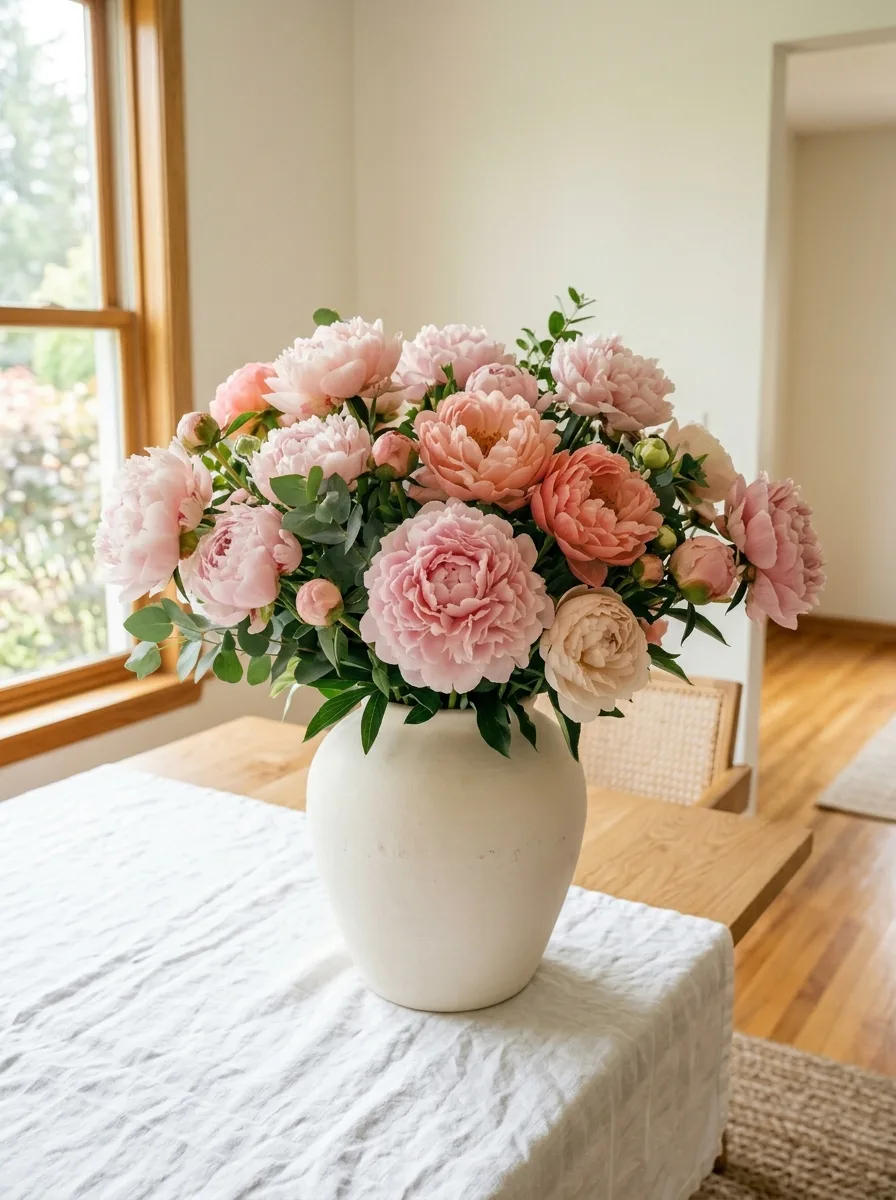
Few flowers announce spring as completely as peonies. Those layered, overflowing blush blooms carry a particular softness that makes every room they enter feel lighter and more alive. A wide ceramic vase filled generously and placed on a dining table or kitchen counter transforms the entire space around it — not just the surface it sits on.
The secret is abundance. Peonies arranged sparsely look tentative. Peonies packed tightly into a wide-mouthed vessel look deliberately luxurious and genuinely beautiful. Strip the lower leaves, cut stems at an angle, and fill the vase until it is visibly full. That overflowing, garden-gathered quality is exactly what makes a peony arrangement look like a professional created it.
The Key: Buy peonies while still in tight bud and let them open slowly at room temperature — the gradual unfurling over three to four days creates a continuously evolving arrangement that improves daily.
02
Sheer Linen Curtains
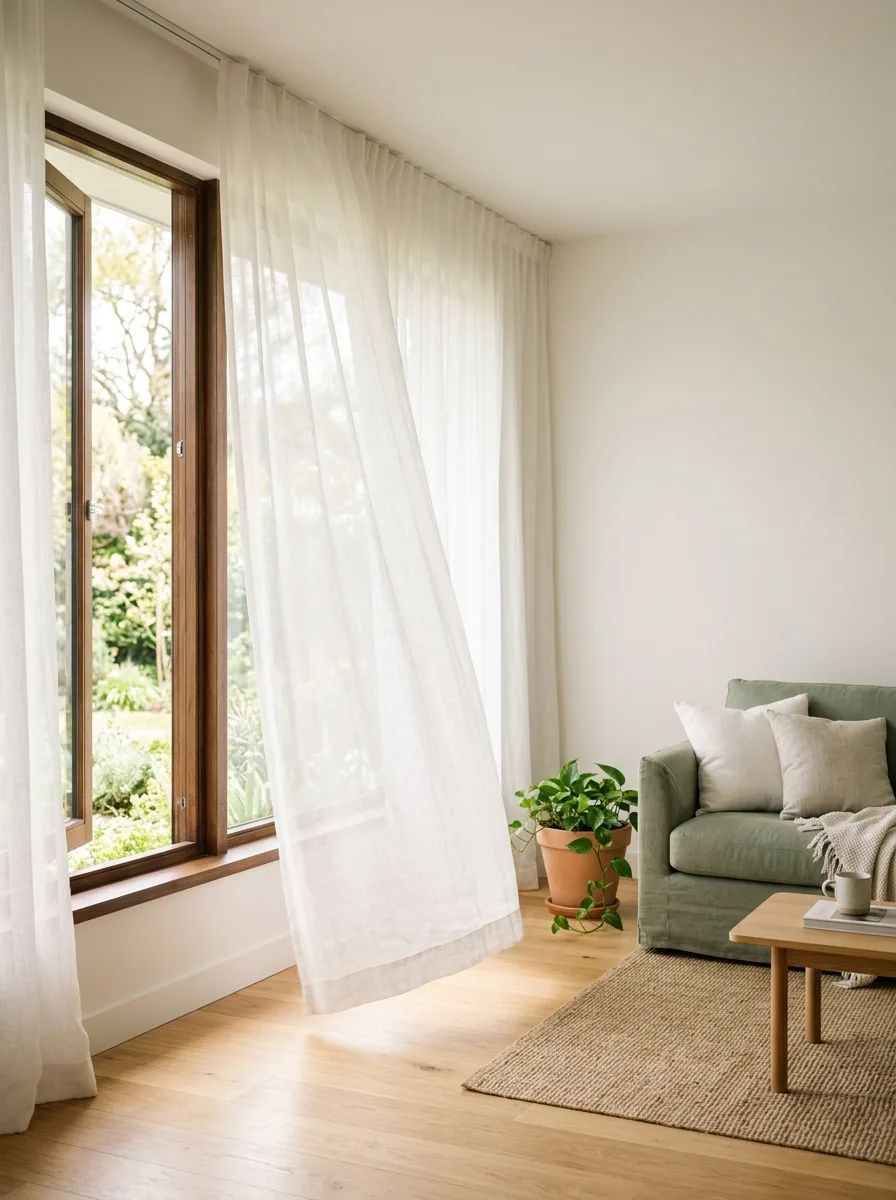
Swapping heavy winter curtains for sheer linen panels is the single fastest way to transform a room for spring. The moment those light, gauzy panels replace dark drapes, the entire energy of the space changes. Light floods in differently. The room breathes. Every other piece of furniture seems to benefit from the soft, diffused glow surrounding it.
Natural linen sheers are worth the small extra investment over synthetic alternatives. The texture is richer, the drape is more natural, and the way they filter morning light into something warm and luminous is entirely different from the flat, slightly plastic quality of polyester sheer panels. Hang them high and let them pool slightly at the floor for a look that is relaxed, elegant, and completely spring-appropriate.
The Key: Mount curtain rods three to four inches below the ceiling and use panels that extend two inches past the window on each side — both tricks make windows appear significantly larger than they actually are.
03
Rattan and Wicker Accents
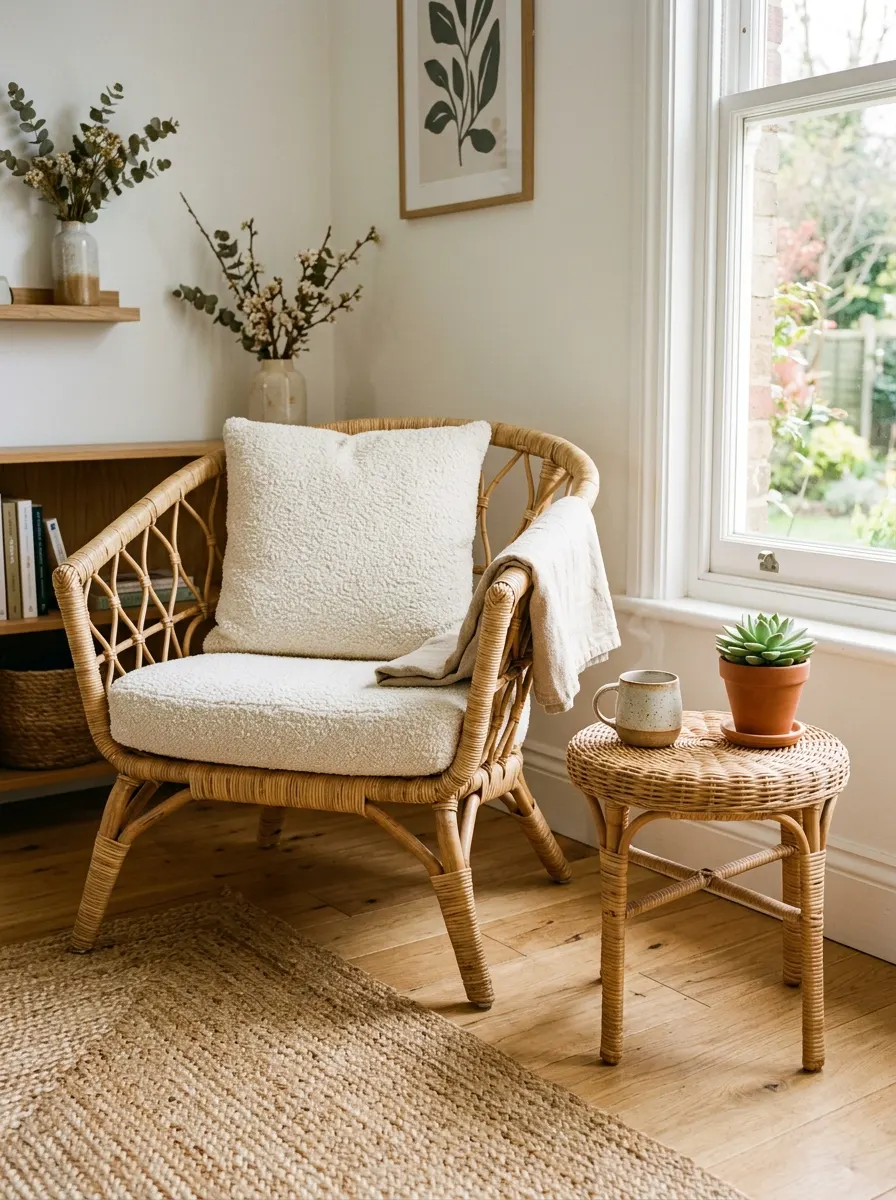
Rattan has a natural affinity with spring — that warm honey tone, that woven organic texture, that sense of lightness in both visual weight and actual weight. A rattan armchair in a corner, a wicker basket holding throw blankets, a rattan pendant light overhead — each piece adds a layer of natural warmth that manufactured materials simply cannot replicate at the same price point.
I’ve noticed that rattan is one of those materials that makes people immediately comfortable in a space. Something about the organic texture and the handmade quality signals ease and informality in a way that polished surfaces don’t. A single rattan piece in an otherwise minimal room creates a warmth and welcome that you feel before you can fully explain why.
The Key: Introduce rattan through at least two pieces in the same room — a single rattan piece can look like an afterthought, while two or three create a cohesive, natural-material design language.
04
Sage Green Refresh
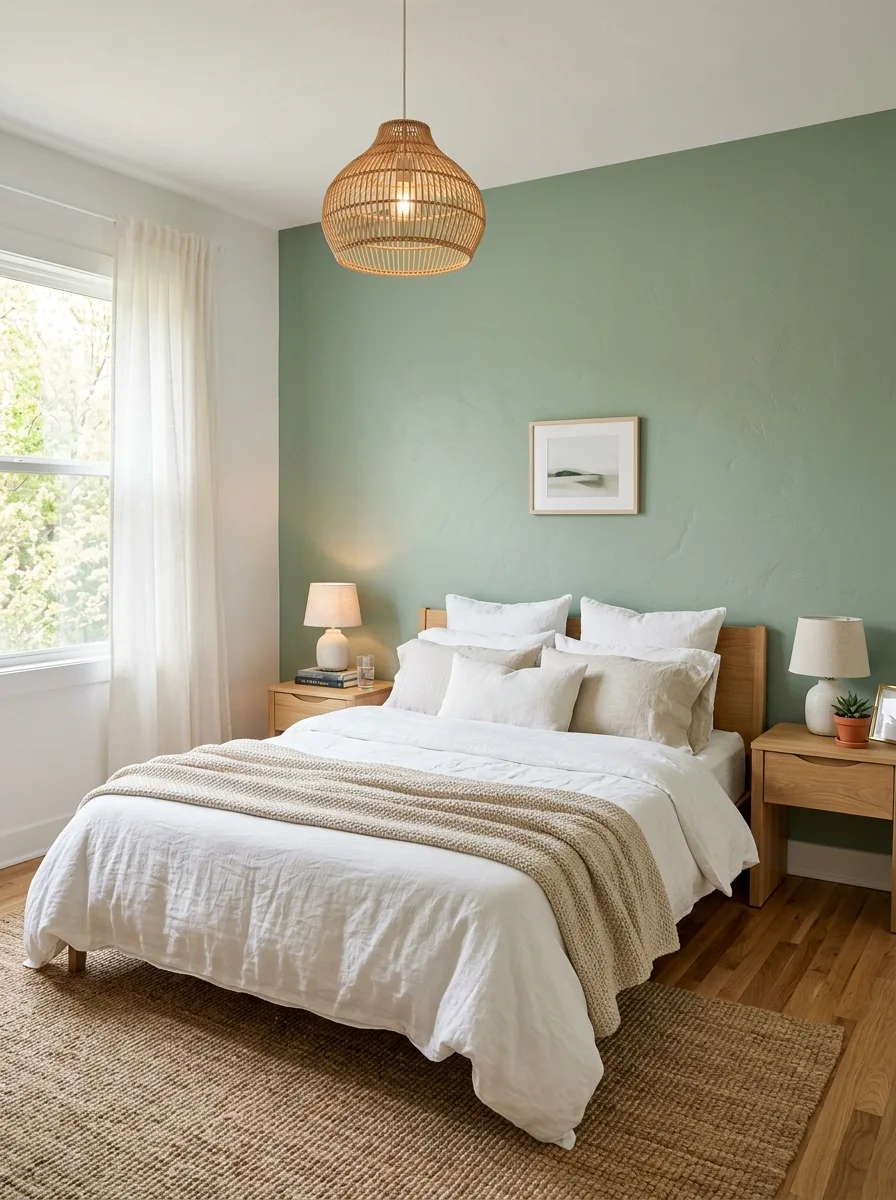
Sage green is the color that has defined spring decorating for the past several years — and it continues to feel fresh because it belongs to nature rather than to any particular trend. It reads simultaneously calm and alive, grounding and uplifting. A single sage-painted wall in a bedroom or living room immediately changes the emotional temperature of the room, bringing it closer to the feeling of standing in a garden.
That’s why many designers recommend sage as the easiest starting point for anyone wanting to introduce spring energy through color. It is gentle enough not to overwhelm, strong enough to make a clear visual statement, and versatile enough to work with the warm woods, natural linens, and blush accents that define the softest, most elegant spring aesthetic.
The Key: Apply sage green paint in a matte or eggshell finish — these low-sheen options deepen the colors natural, earthy quality in a way that semi-gloss finishes flatten and commercialize.
05
Tulip Table Moments
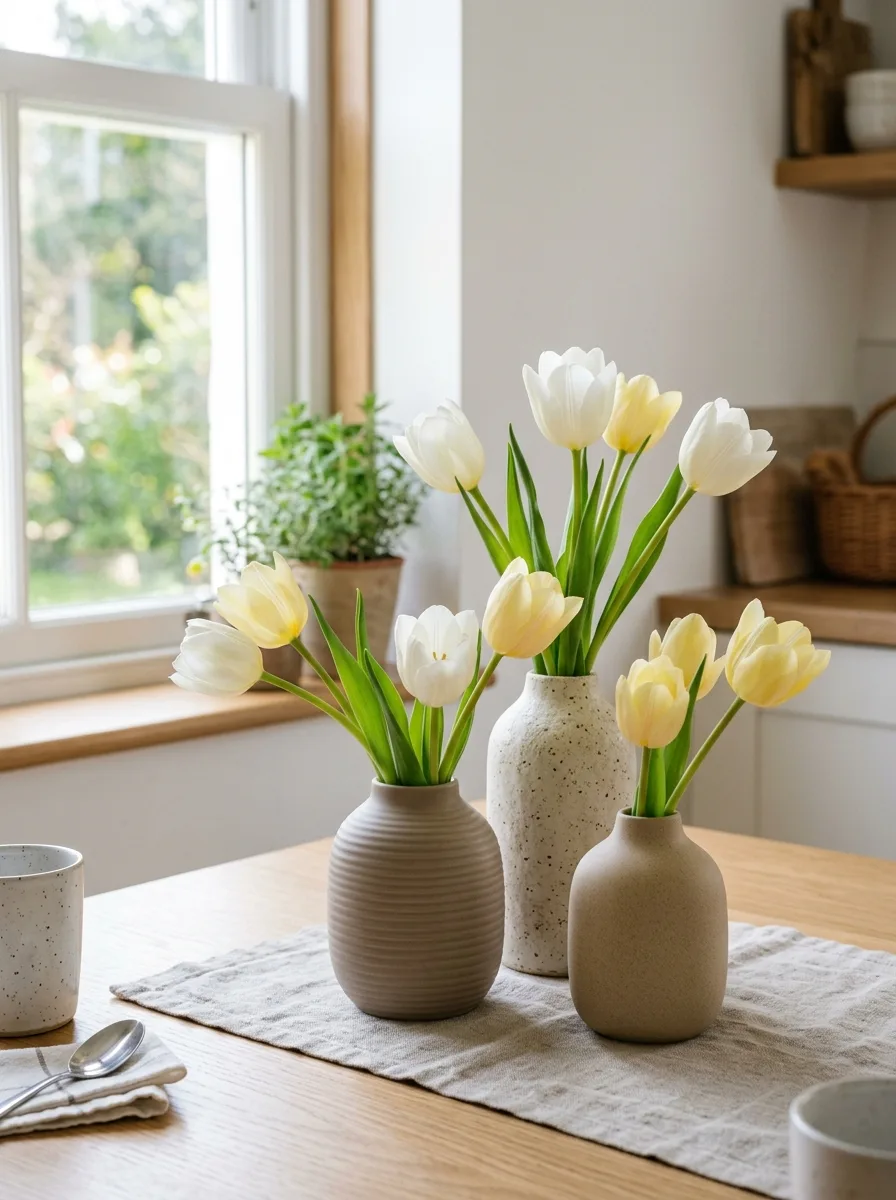
Tulips may be the most accessible spring flower there is — inexpensive, widely available, and deeply beautiful in even the simplest vessel. A cluster of three small ceramic bud vases on a kitchen table, each holding two or three tulips in soft spring tones, creates a centerpiece that looks considered and carefully styled without requiring any arrangement skill whatsoever.
The natural behavior of tulips is part of their charm. They continue reaching toward light after being cut, arching gracefully outward and creating a loose, organic posture that no formal arrangement can replicate. Let them do what they naturally do. A slightly arching, casually arranged tulip display in a bright kitchen window is one of the most beautiful and most photographed spring moments in any home.
The Key: Vary tulip heights by cutting stems at three different lengths before placing — graduated heights across grouped bud vases create natural visual flow and prevent the flat, same-height look of untrimmed bunches.
06
Woven Basket Storage
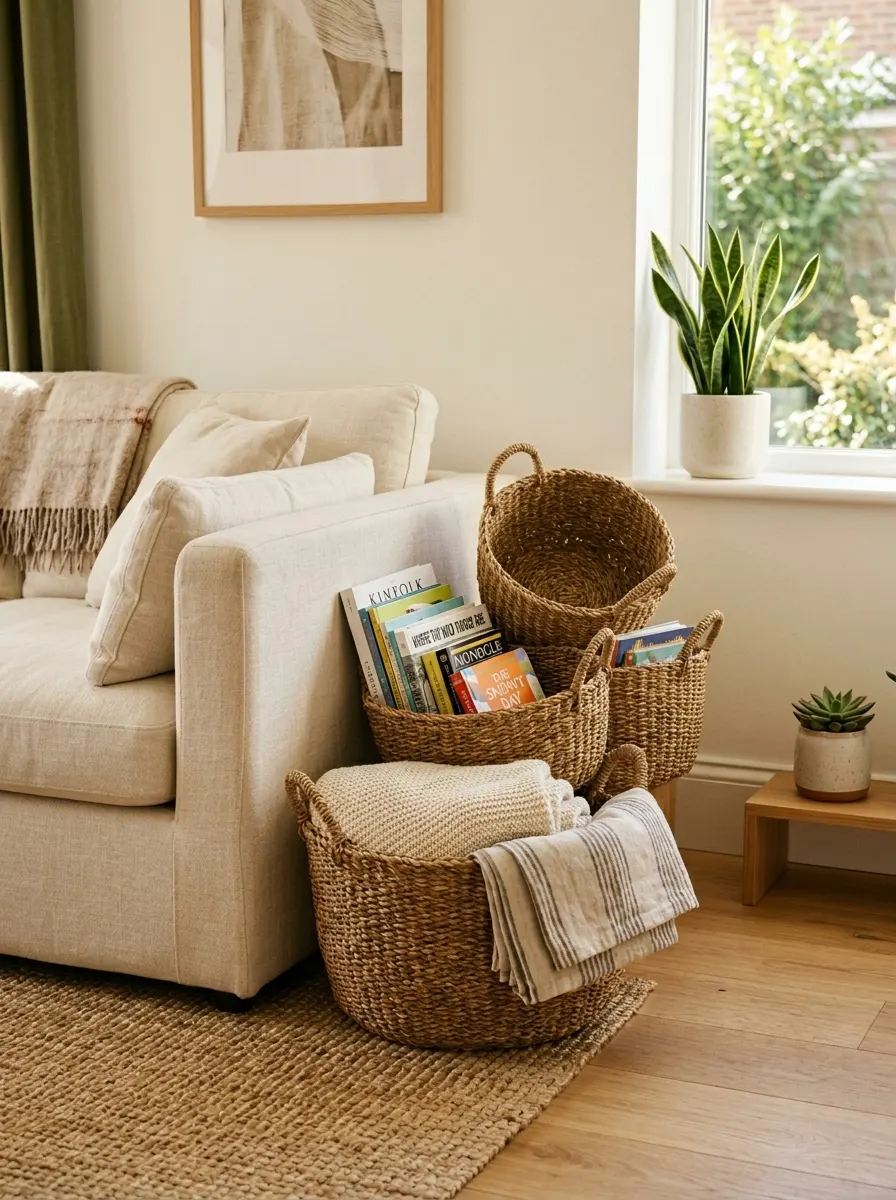
Nothing clears visual clutter from a spring room faster than replacing synthetic storage with woven baskets. Those organic textures — seagrass, jute, rattan — belong to the same natural material family as everything else in a spring interior. They store exactly what plastic bins store, but they make the room feel curated rather than merely organized.
Grouping three baskets together in a corner, each a different size, creates a styled storage moment rather than a purely functional one. The largest can hold a folded throw, the middle one magazines or remotes, the smallest a trailing succulent. That slight variation in purpose makes the grouping feel lived-in and genuine rather than like a display set up for a photograph.
The Key: Choose baskets in the same material family but slightly different weave textures — tonal variation within one natural material creates depth and cohesion that perfectly matched sets lack.
07
Botanical Print Gallery
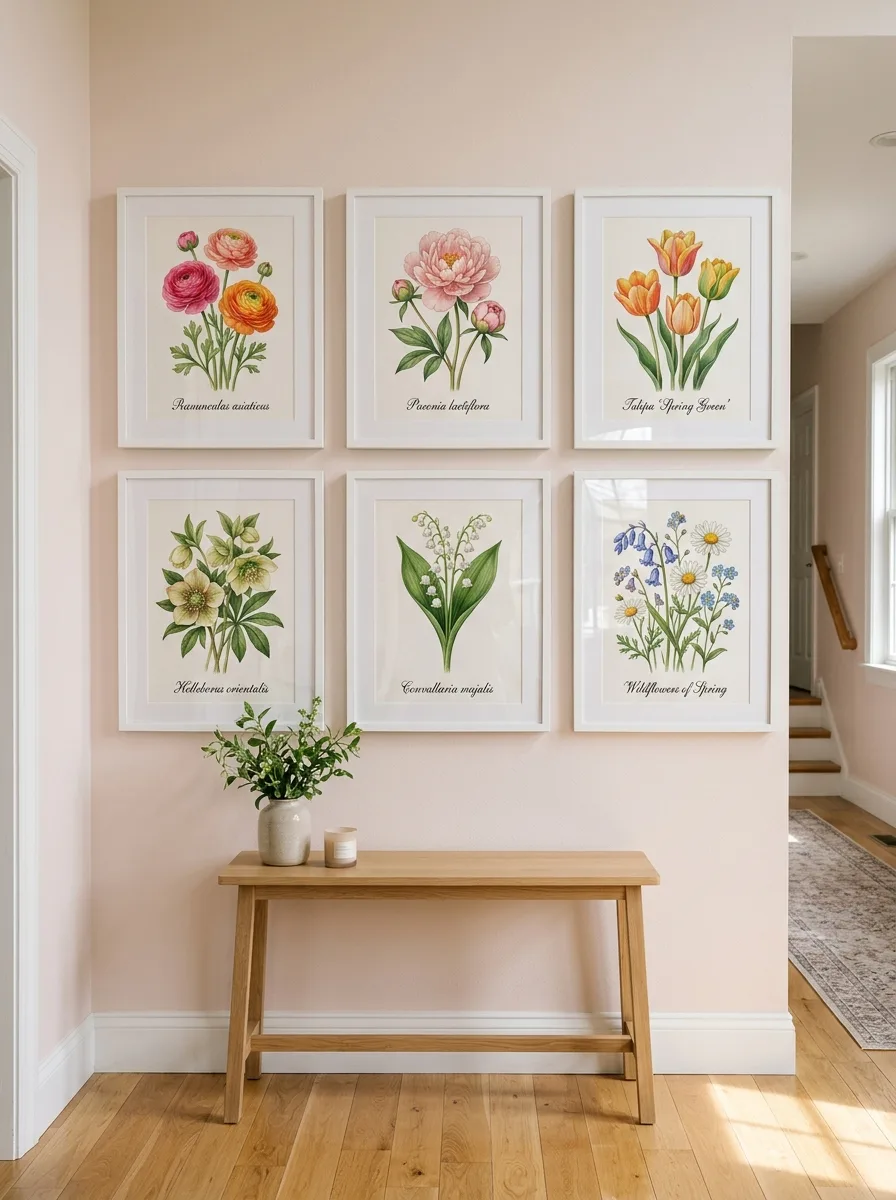
A botanical gallery wall is the most direct way to bring the feeling of spring into a room that can’t accommodate live plants. Those vintage illustrations of peonies, ranunculus, and wildflowers — framed in matching thin white or brass frames and arranged in a clean grid — turn any wall into something genuinely beautiful and deeply seasonal without a single stem of fresh flowers.
The magic is in the matching frames. Six different print styles from six different eras look cohesive and intentional the moment they share the same frame format. Without that unifying frame, the same prints look random. With it, they look like a collected botanical library assembled with real taste and knowledge. That single formatting decision is what separates a gallery wall that looks designed from one that just looks busy.
The Key: Print botanical illustrations at consistent sizes before framing — uniform print dimensions inside matched frames create the clean, curated grid that makes this gallery wall style so visually satisfying.
08
Lemon and Citrus Styling
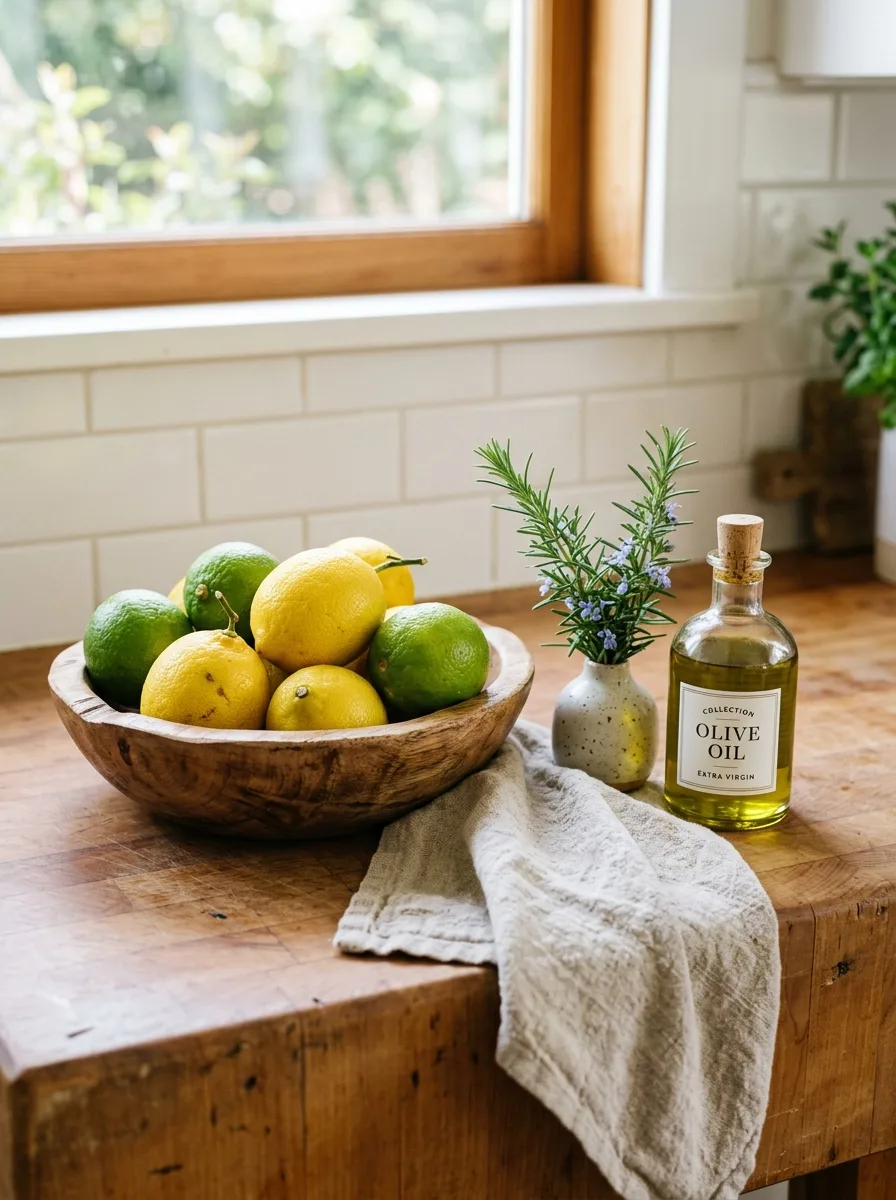
Fresh citrus in a kitchen bowl is one of those styling moves that costs almost nothing and adds more visual freshness than almost anything else in the room. Those glossy yellow lemons against warm butcher block or white marble, in the bright light of a spring morning, create a vignette that is simultaneously functional and photographically beautiful.
It works because citrus is immediately readable as fresh, natural, and alive — qualities that define the best spring decorating at every scale. A wooden bowl of lemons on the kitchen counter requires no flowers, no styling skills, and no significant expense, yet every interior design photograph that features it looks thoughtfully considered and genuinely welcoming. It is spring distilled into the simplest possible gesture.
The Key: Arrange the largest lemons at the base of the bowl and tuck smaller ones into the gaps between — this natural nesting creates a full, abundant look from every viewing angle.
09
Soft Throw Swap
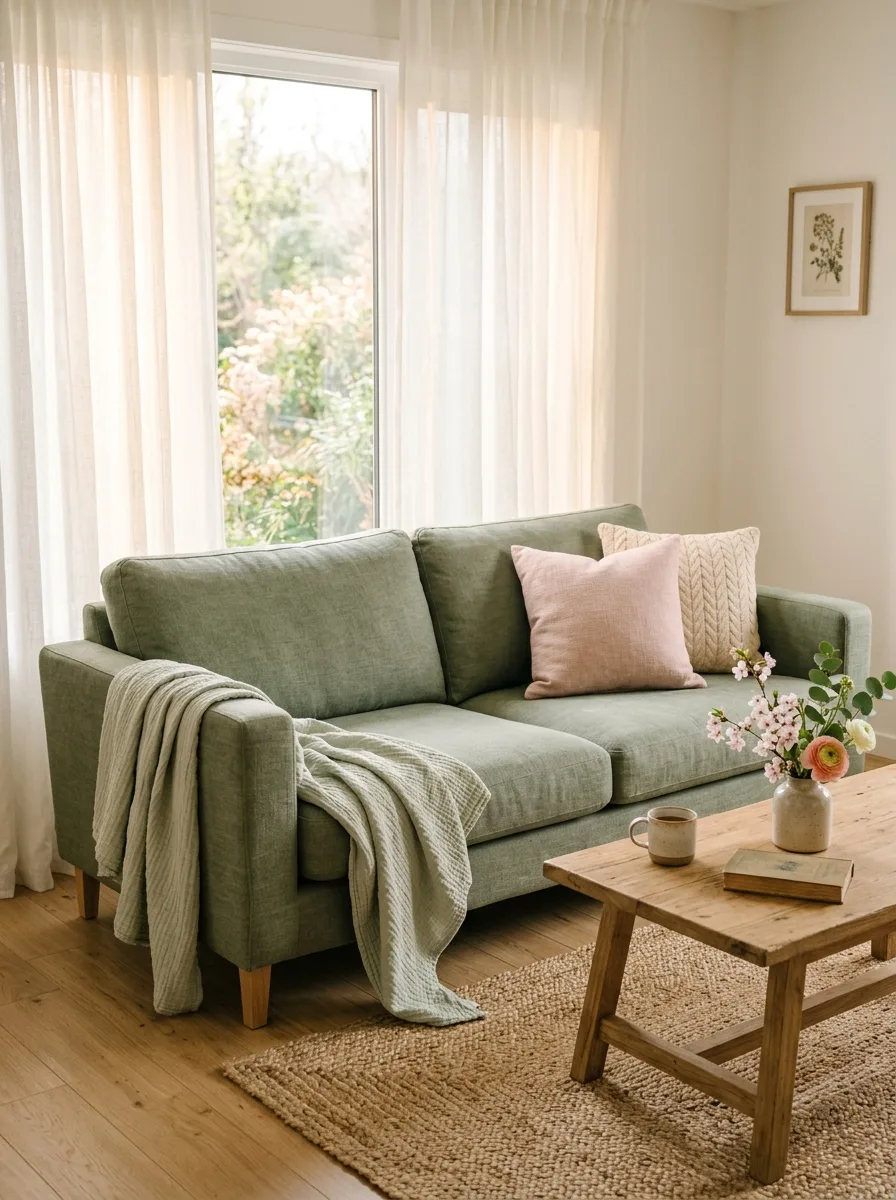
The most effortless spring refresh you can give any room is a throw and pillow swap. Remove the chunky knit throws and dark velvet cushions of winter and replace them with lightweight cotton gauze in sage and blush, linen pillows in warm cream, and suddenly the sofa belongs to a completely different season. Nothing structural changed. Everything emotional did.
Lightweight throws drape differently than winter ones — more loosely, more casually, with a relaxed quality that suits the mood of spring perfectly. A cotton gauze throw draped over a sofa arm with one corner trailing toward the floor looks like it was placed without thought, which is exactly the aesthetic spring decorating aims for. Effortless, airy, and genuinely inviting.
The Key: Drape your spring throw over just one arm of the sofa rather than across the back — the asymmetric, casual placement looks far more natural and editorial than a symmetrically folded blanket across the seat back.
10
Windowsill Herb Garden
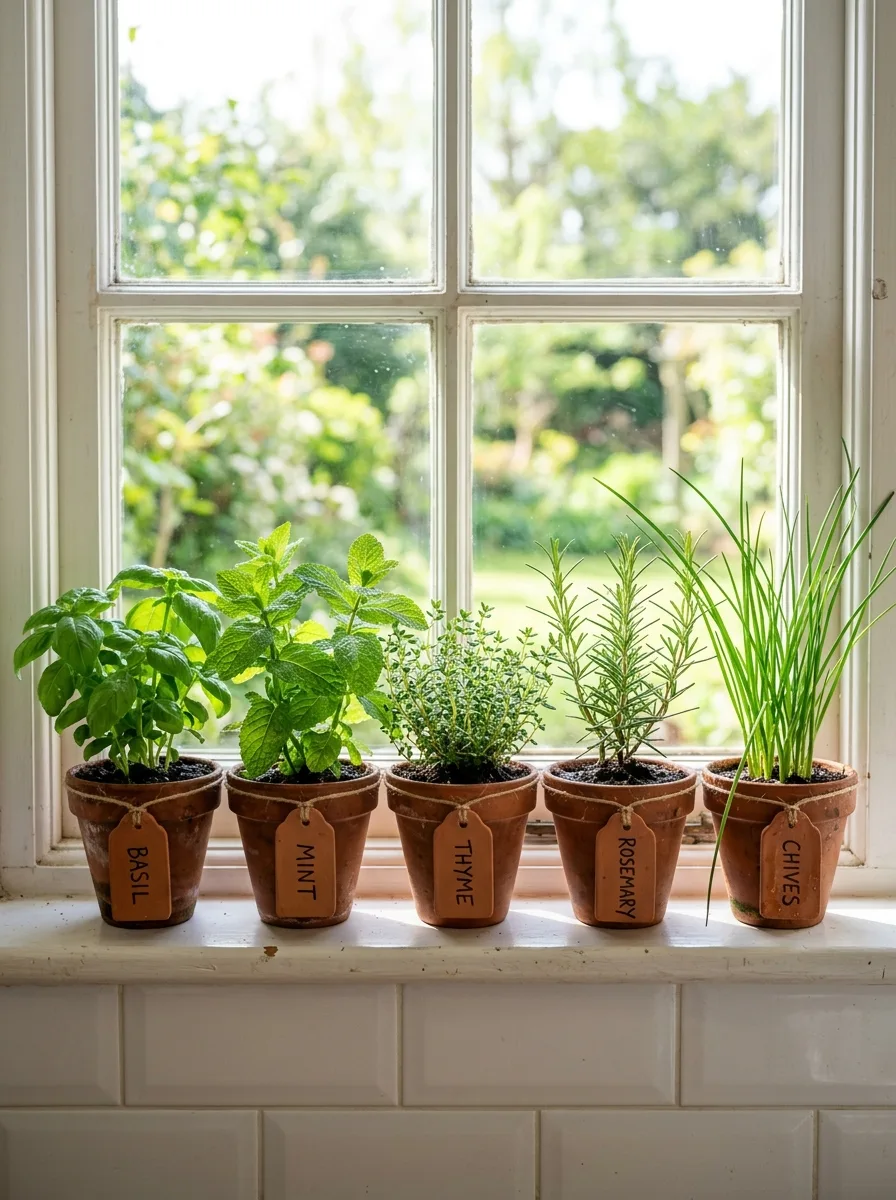
A row of terracotta herb pots on a bright kitchen windowsill does something that most decorative objects can’t — it earns its place every single day. Fresh basil for pasta, mint for drinks, thyme for roasted vegetables. The herbs are both beautiful and genuinely useful, and that dual purpose gives them a presence in a kitchen that purely decorative objects never quite achieve.
The styling details matter more than people expect. Matching terracotta pots in different sizes, each with a small handwritten clay label, create a cohesive, artisanal display rather than a random collection of nursery containers. Arrange taller herbs at the back, shorter ones at the front. Fill the sill completely — a full, abundant sill looks intentional where a sparse one just looks forgotten.
The Key: Choose a south or east-facing windowsill for your herb garden — most culinary herbs need at least four to six hours of direct light daily to stay healthy, productive, and visually lush.
11
Pastel Candle Clusters
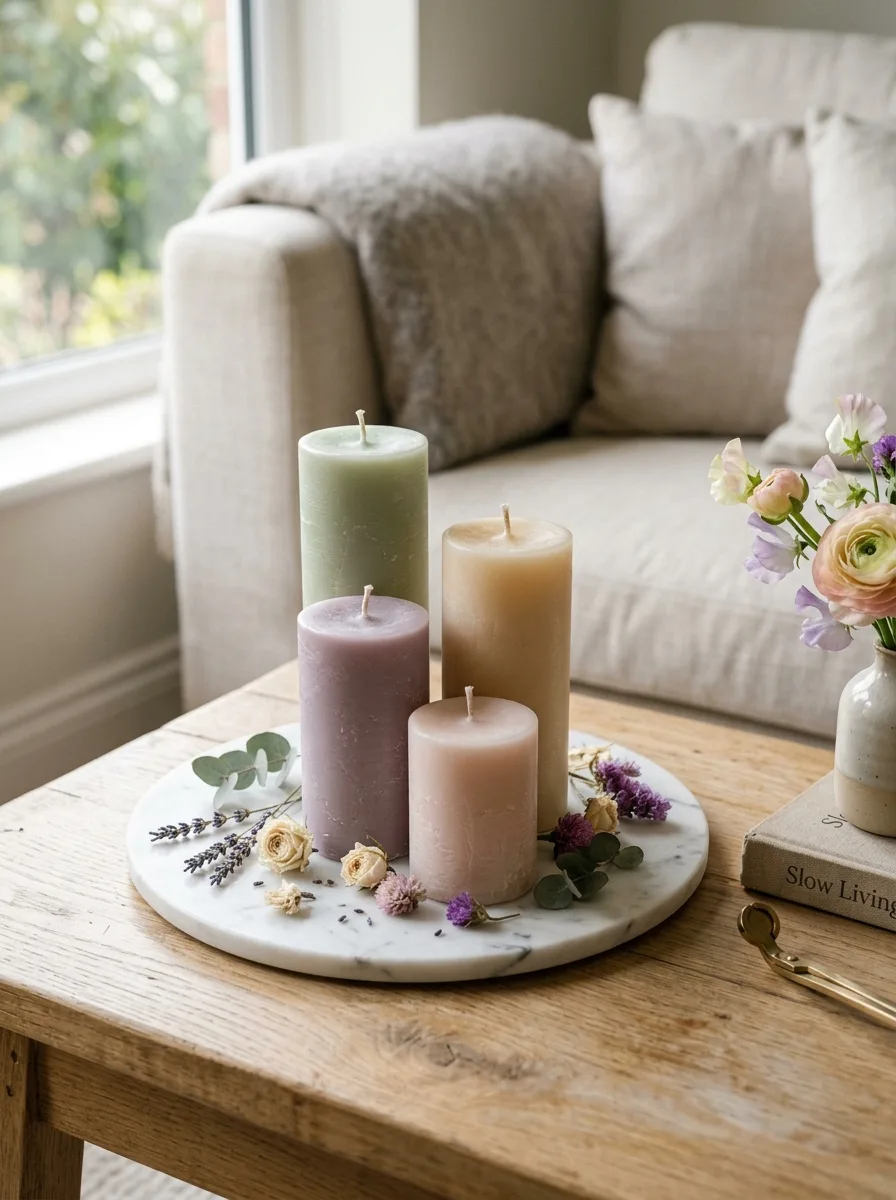
Candles in spring deserve different treatment than in winter. Heavy, spiced fragrances and dark wax tones belong to the colder months. Spring calls for soft pastel pillars in blush and sage, grouped loosely on a marble tray with a few dried flower heads scattered between them. The arrangement reads as seasonal without being overtly themed — which is exactly the quality that makes spring styling feel genuinely elegant.
The marble tray is the detail that elevates this from a candle collection to a styled vignette. It creates a visual boundary for the grouping, anchors the arrangement in place, and adds a cool, clean material contrast against the soft wax tones. Remove the tray and the same candles look randomly placed. Add it and everything looks intentionally composed.
The Key: Vary pillar candle heights by at least two to three inches between the tallest and shortest — height variation creates the visual shadow and dimension that makes a candle cluster look layered and deliberately styled.
12
Linen Bed Refresh
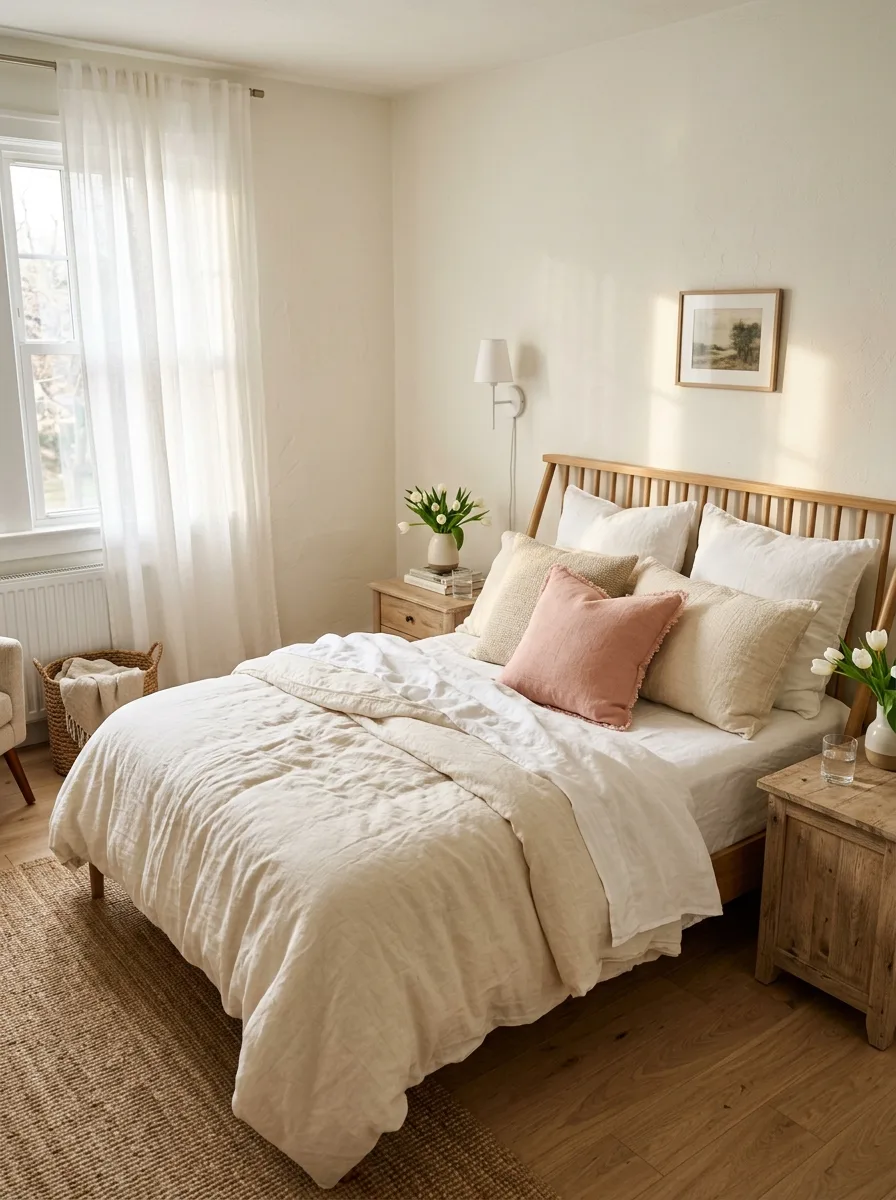
Linen bedding is the spring bedroom refresh that people discover and never go back from. That soft, slightly textured surface, the way it drapes without stiffness, the particular warmth of worn-in natural fiber — it creates a bed that looks genuinely inviting from the doorway and feels extraordinary to sleep in. It belongs to spring the way heavy duvets belong to January.
The styling principle for linen beds is deliberate looseness. A tightly made linen bed looks forced and misses the entire point of the material. Layer the duvet slightly off-center. Stack pillows at slightly different heights. Let the top sheet fold back casually. That relaxed, lived-in quality is not carelessness — it is the aesthetic that makes a linen-dressed bed the most photographed bedroom detail on Pinterest every single spring.
The Key: Wash linen bedding before its first use and tumble dry with a clean tennis ball — this breaks in the fiber immediately and creates the softly rumpled, well-loved texture that new linen takes several washes to develop naturally.
13
Fresh Eucalyptus Bundles
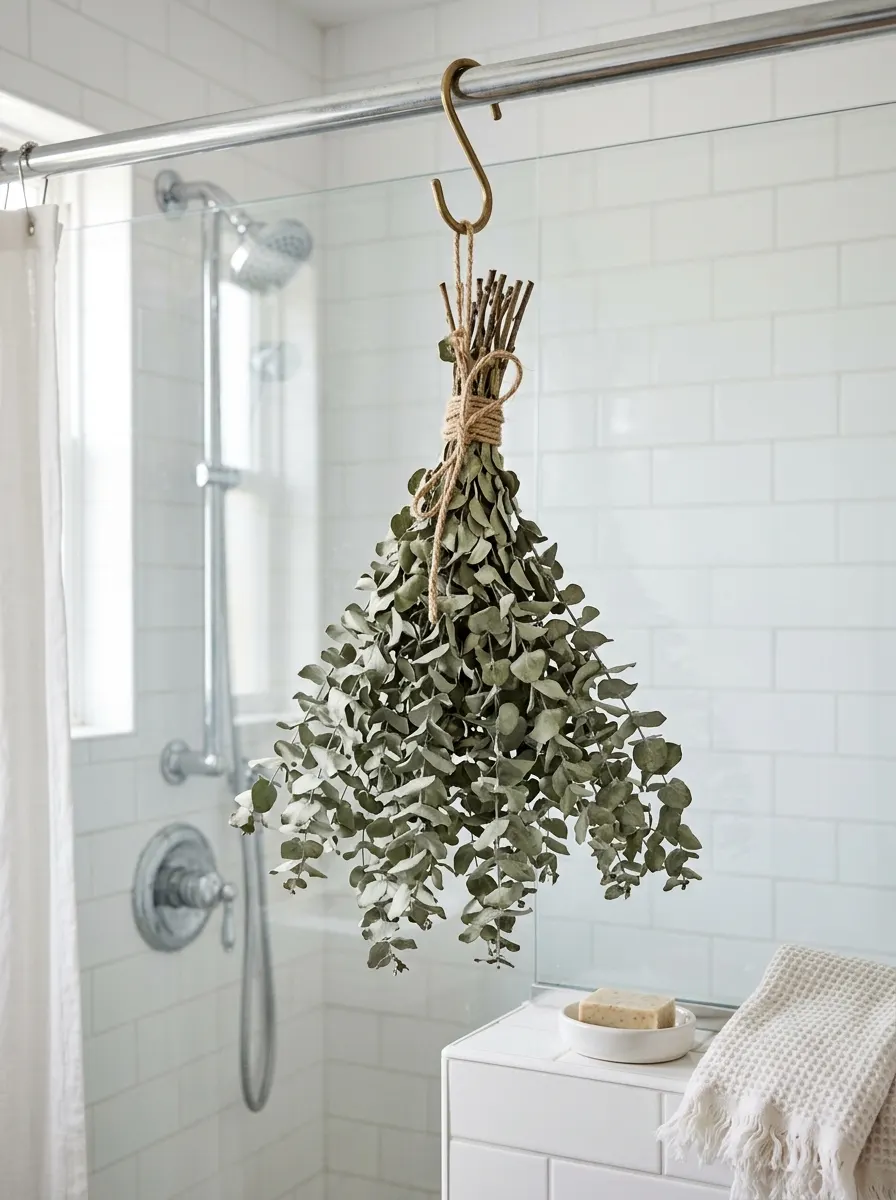
Fresh eucalyptus hung in the shower is one of those ideas that sounds almost too simple to be impactful — until you try it. The warm steam releases the eucalyptus oils and the bathroom fills with a clean, herbal scent that makes every morning shower feel genuinely restorative. It is the most effortless spa detail in any spring bathroom refresh.
Beyond the shower, eucalyptus bundles styled in tall vases, draped over mirrors, or tucked into bookshelves add a long-lasting, naturally fragrant green element that maintains its beauty for weeks. Silver-dollar eucalyptus with its round, silvery leaves is particularly beautiful in spring styling — that cool, muted tone pairs with blush, white, and sage without competing for visual attention.
The Key: Tie eucalyptus bundles loosely with twine to allow air circulation between stems — tight bundling traps moisture between leaves and accelerates the browning that shortens the bundle’s display life.
14
Painted Terracotta Pots
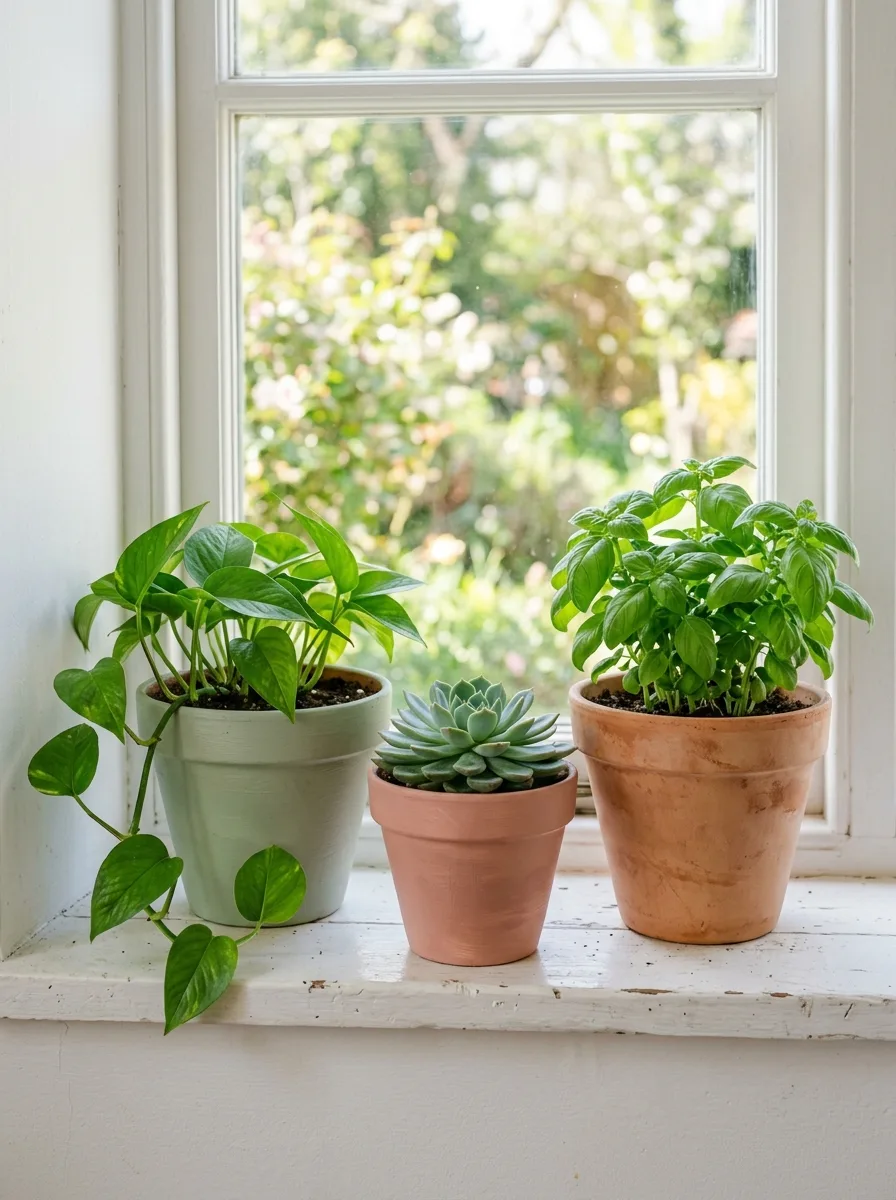
Painted terracotta pots are one of those five-dollar spring projects that look like they cost fifty. A pot of chalk paint in soft sage, a brush, and twenty minutes creates a collection of plant vessels that looks completely intentional and beautifully seasonal. On a windowsill, a shelf, or a porch step, those matte-painted pots with trailing greenery inside become an instant spring vignette.
Mixing painted and natural terracotta in the same grouping is a detail worth remembering. One sage pot, one blush pot, one left in its original warm clay tone — that tonal variation within the same material family creates depth and a hand-collected quality that identically painted pots lack. It looks like a creative person’s windowsill rather than a matched set from a store.
The Key: Apply chalk paint to dry, clean terracotta in two thin coats rather than one thick one — thin coats dry faster, adhere more durably, and create a smoother matte finish without brush strokes.
15
Entryway Spring Refresh
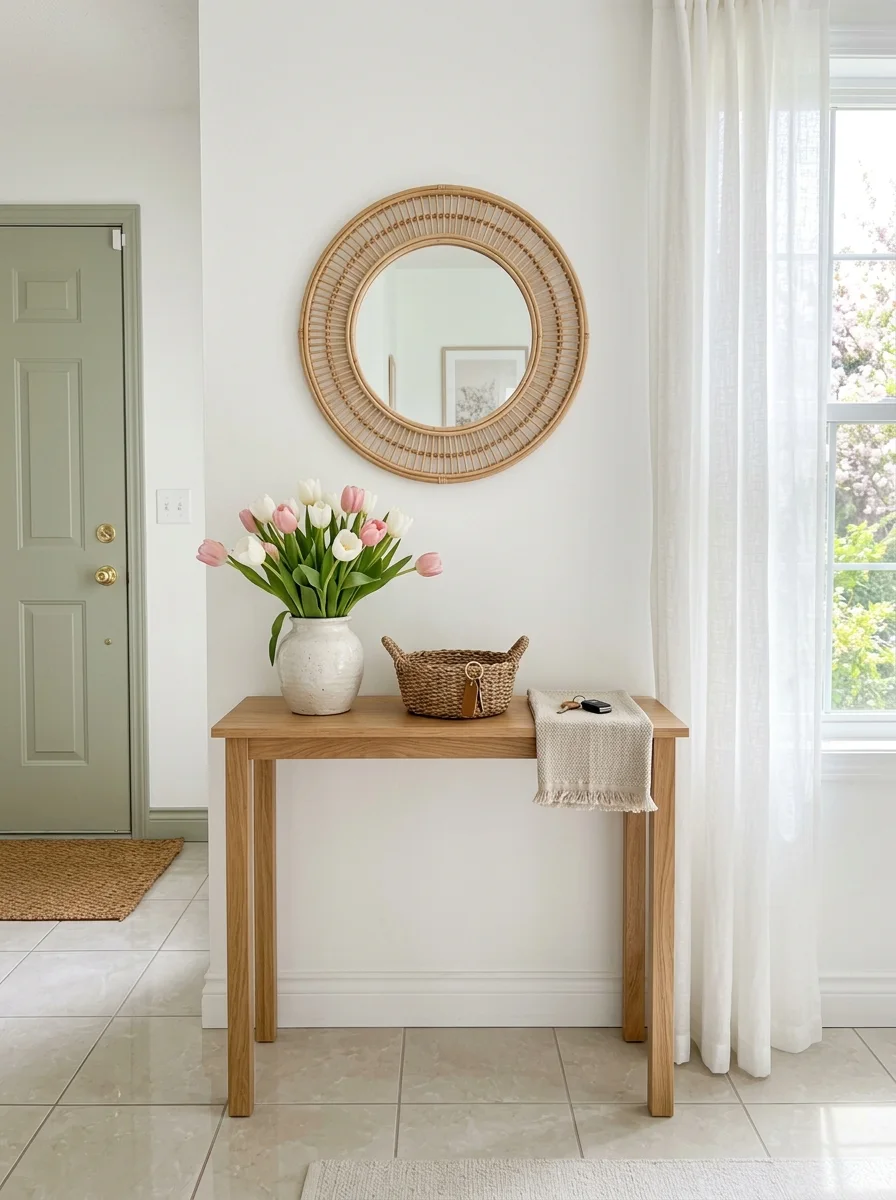
The entryway is the first impression your home makes on everyone who enters — including you. A spring-refreshed entry, with white tulips on the console, a rattan mirror catching the morning light, and a linen runner underfoot, creates a welcome that feels genuinely warm and alive from the very first step inside. That transition from exterior to interior becomes its own small, pleasant moment.
I’ve noticed that entryways are the most neglected spaces in most homes, yet they respond more dramatically to small changes than almost any other room. A single bunch of tulips and a new mirror create a transformation that visitors comment on immediately. The return on investment — both financial and emotional — is higher in the entryway than almost anywhere else.
The Key: Include at least one reflective surface in your entryway — a mirror doubles the perceived brightness and makes even a narrow entry feel open and welcoming rather than cramped and dark.
16
Wildflower Meadow Prints
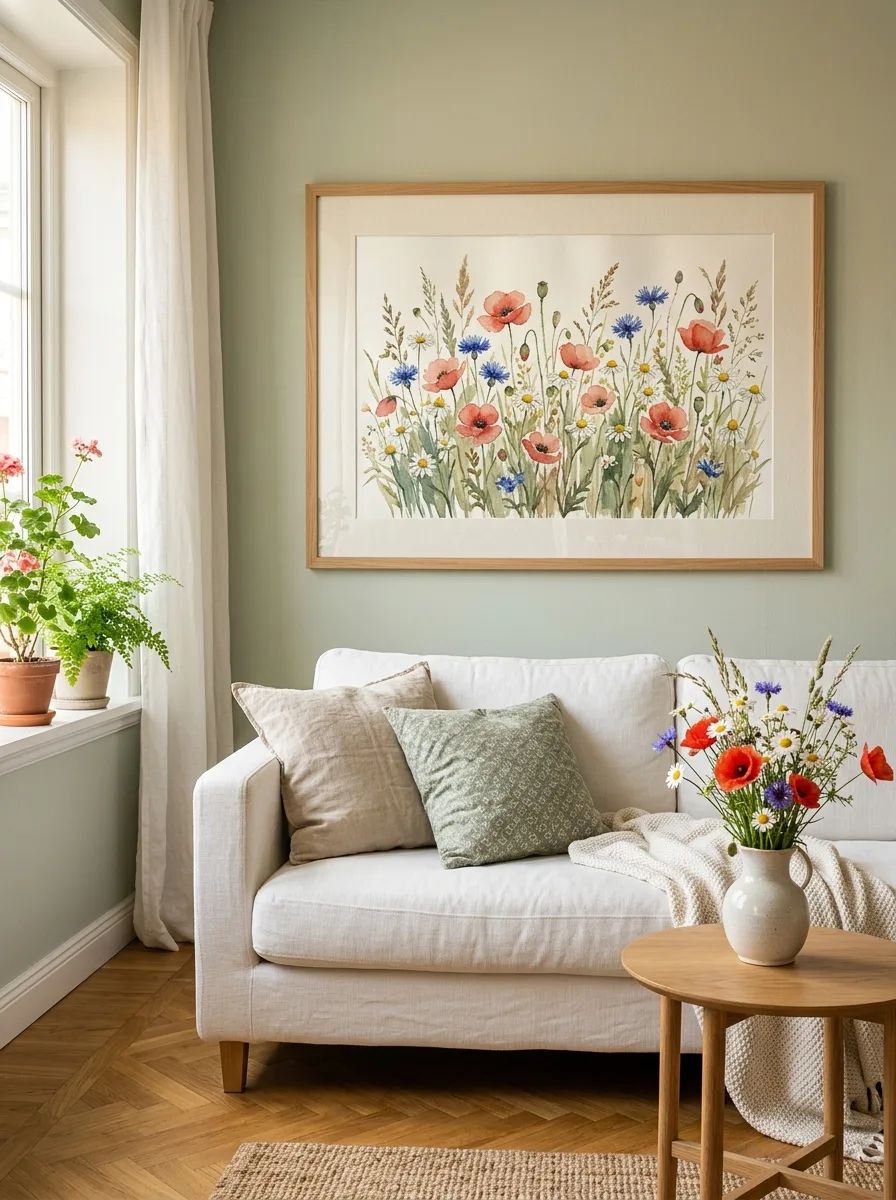
A single large wildflower print above a sofa does more for a spring room than a dozen smaller seasonal accessories combined. It draws the eye immediately, sets a botanical mood for the entire space, and creates a reference point that everything else in the room can respond to. When a small vase of fresh wildflowers on the side table echoes the blooms in the print, the room feels considered in a way that is genuinely moving.
Watercolor-style illustrations are the right choice for spring — their softness and transparency suit the season’s light and mood far better than bold graphic prints. Look for pieces with a loose, slightly imprecise quality rather than tight botanical realism. That painterly looseness creates the same organic, gathered feeling that the best spring rooms achieve throughout.
The Key: Hang the print so its center sits at eye level — approximately 57 inches from the floor — and give it six to eight inches of breathing space above the sofa back for proper visual proportion.
17
Outdoor Cushion Swap
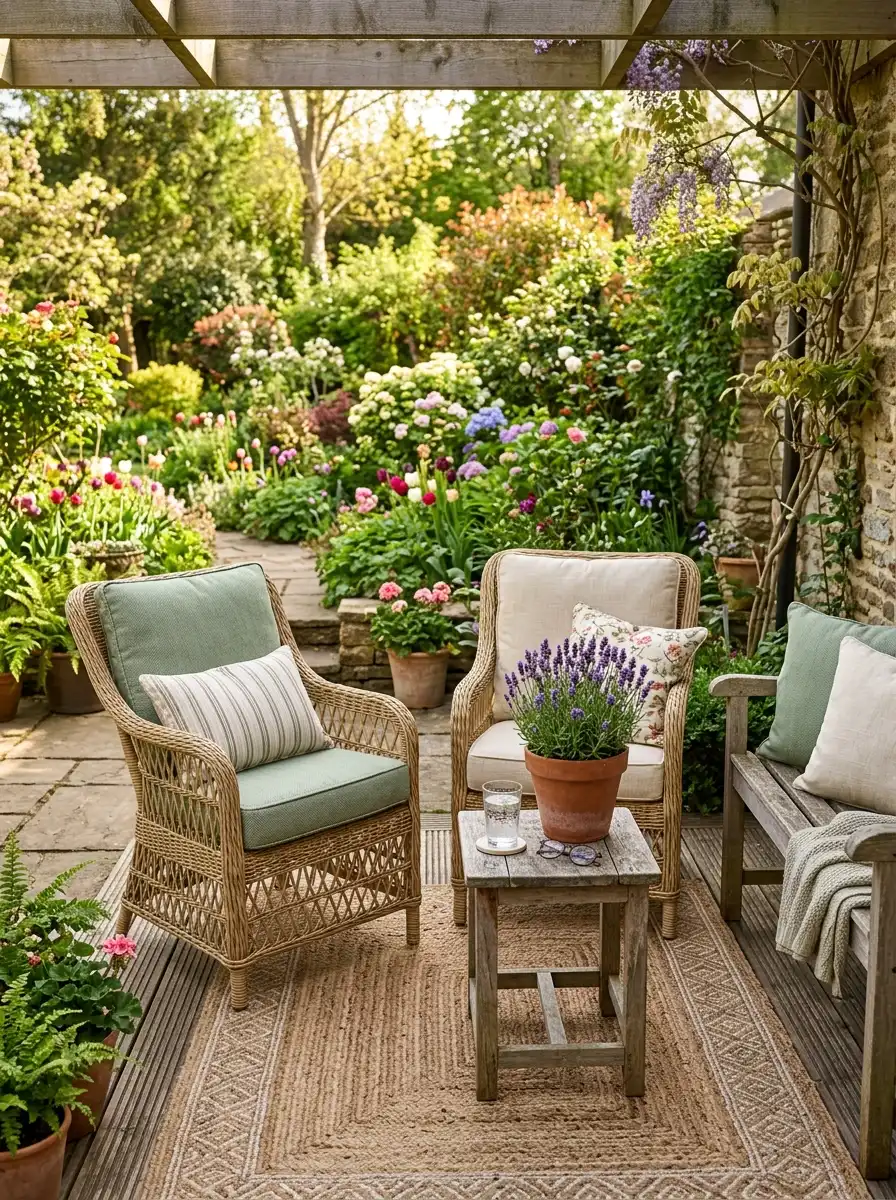
The patio is an extension of the home, and it deserves the same thoughtful seasonal refresh as any interior room. New outdoor cushions in sage green and cream, placed on existing rattan or wooden furniture that might otherwise look tired, transform the whole space in under ten minutes. Suddenly the patio feels like a room worth spending time in rather than just a place to put furniture.
The fabric choice matters as much as the color. Fade-resistant, weather-treated outdoor fabrics maintain their color and texture through months of sun and rain exposure, while cheaper alternatives look worn and faded within weeks. A cushion cover that still looks fresh in late summer is worth twice the price of one that greys and flattens by June.
The Key: Choose outdoor cushions one shade deeper than you think you need — outdoor light is far brighter than interior light, and colors that appear perfectly soft indoors can look washed-out in full afternoon sun.
18
Dried Lavender Bundles
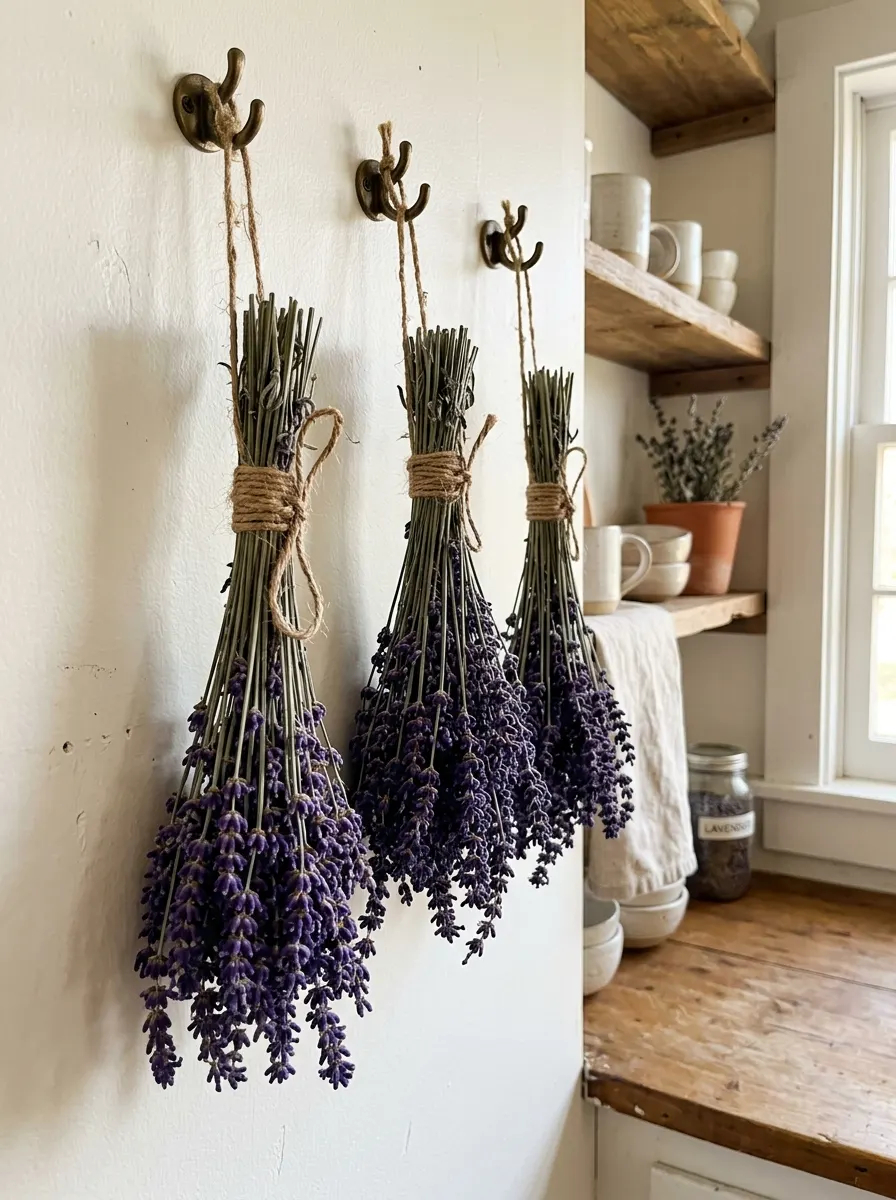
Dried lavender bundles are one of spring’s most sensory decorating choices. That deep purple color, the silver-grey stems, the clean herbal fragrance that deepens rather than fades as the lavender dries — every quality belongs to the season. Three bundles hung from small brass hooks on a kitchen or bathroom wall create a display that is simultaneously art and aromatherapy.
Fresh lavender bundles hung upside down dry perfectly in place, meaning there is no extra step between buying them at a market and having a beautiful, lasting dried display. I’ve seen this simple detail transform small, otherwise plain kitchen corners into spaces people photograph immediately. The color against a white wall alone is striking — the fragrance makes it completely memorable.
The Key: Hang lavender bundles in a warm, well-ventilated spot away from direct humidity — good airflow dries the stems quickly and prevents the mold that ruins lavender kept in damp bathroom air without ventilation.
19
Spring Tablespace Setting
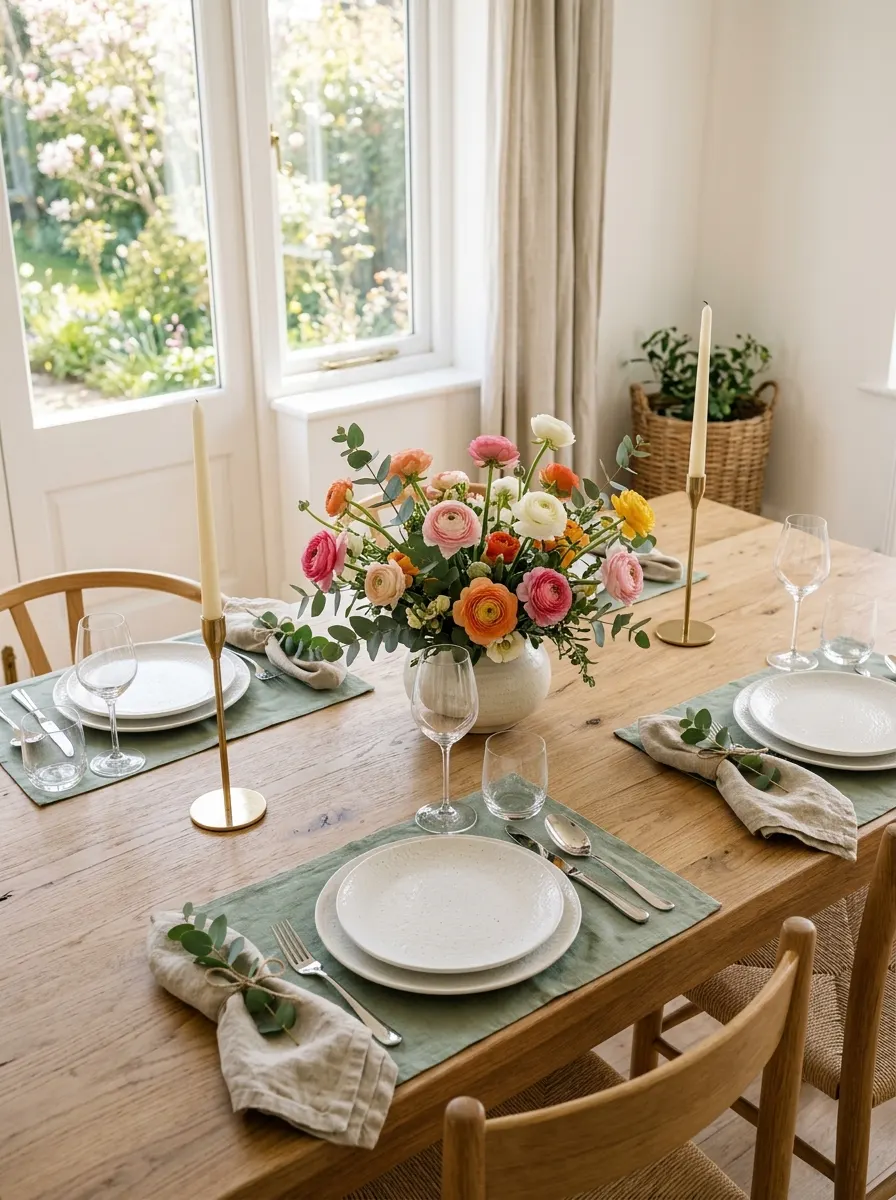
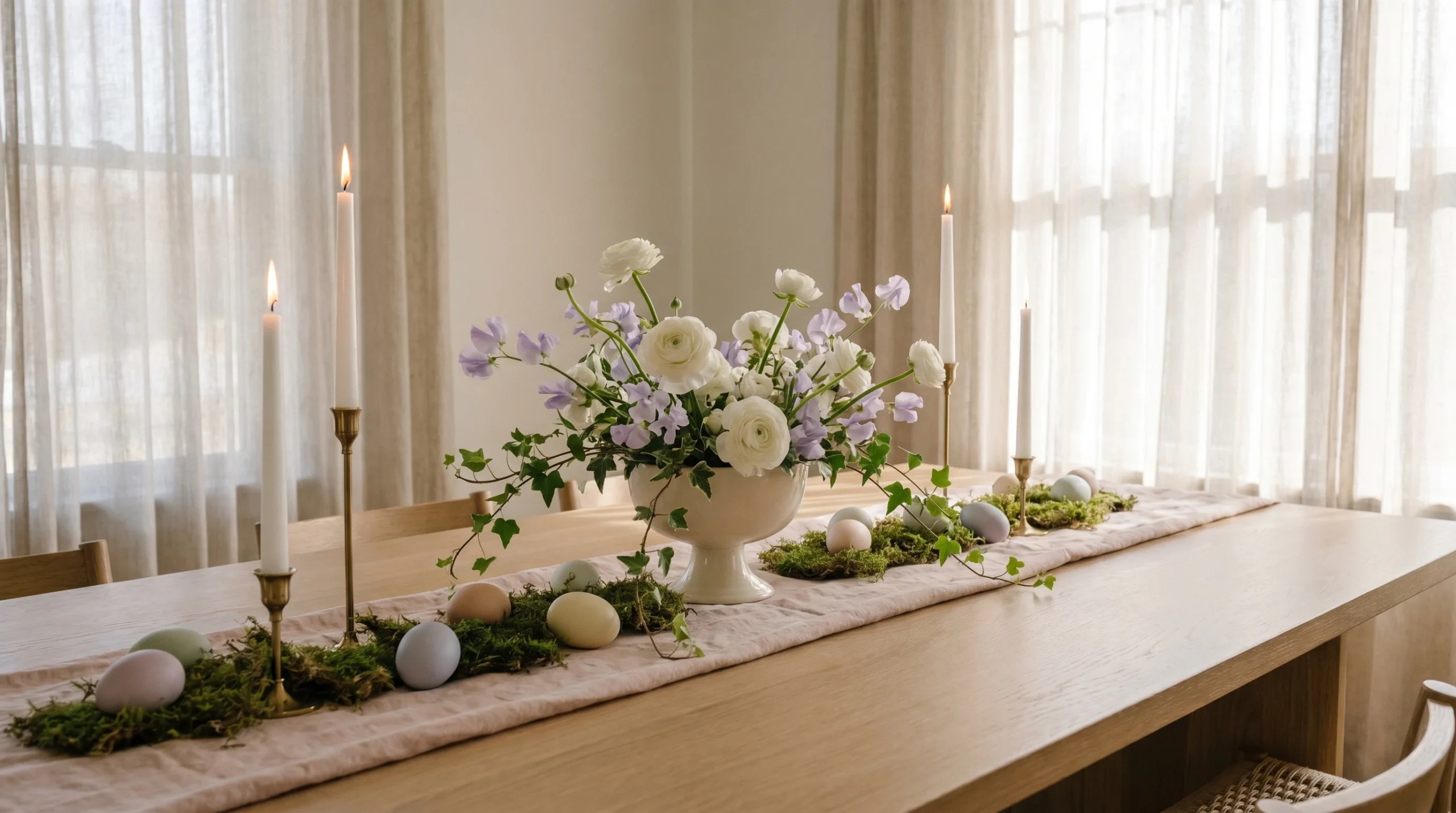
A spring-styled dining table invites people to linger in a way that an empty table simply doesn’t. Linen placemats, loosely folded napkins, a low vase of ranunculus and eucalyptus, two thin brass candlesticks — these modest elements together create a table that looks genuinely beautiful and immediately welcoming. The whole arrangement takes ten minutes and elevates every meal that happens at it.
The low centerpiece is the design rule that separates beautiful tablescapes from obstructive ones. Flowers that rise above eye level at a dining table block sight lines and conversation — and a table where guests can’t see each other across the arrangement is a table where the decoration gets in the way of the actual purpose. Keep blooms at twelve inches or below and the table functions as beautifully as it looks.
The Key: Keep the tablespace centerpiece below twelve inches in height — eye-level sight lines across the table matter more than floral drama, and a low, lush arrangement looks more elegant than a tall one anyway.
20
Light Oak Furniture Tones
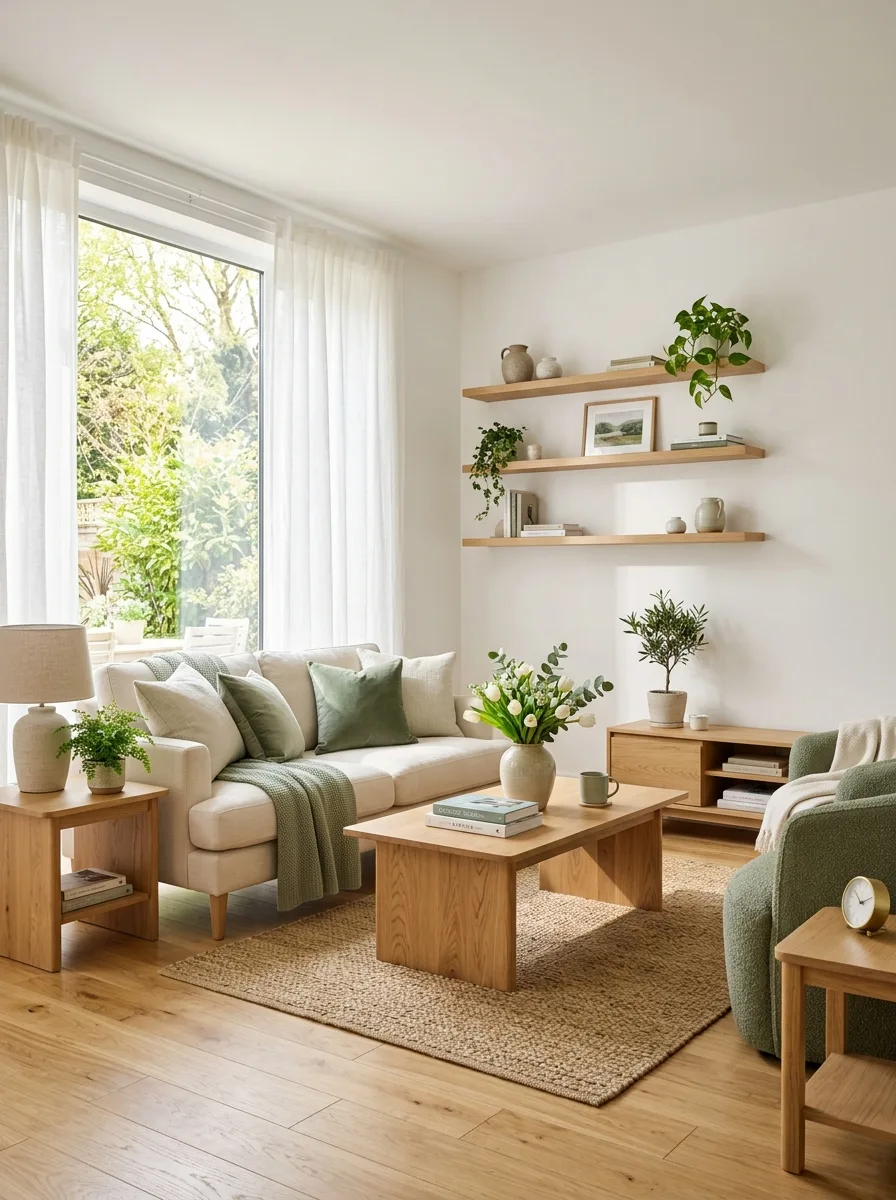
Light oak is the wood tone of spring. That pale honey color, that clean, open grain, that sense of freshness — it belongs to the season in the same way dark walnut belongs to winter. A light oak coffee table replacing a darker one, or new oak floating shelves swapped in for painted wood versions, immediately makes a room feel lighter and more seasonal without changing a single other element.
The photographic quality of light oak in spring morning light is remarkable. That wood tone reflects natural light rather than absorbing it, which makes surrounding spaces feel brighter and more open. Rooms styled around light oak consistently photograph with a clarity and luminosity that darker-toned rooms need artificial lighting to achieve.
The Key: Pair light oak furniture with white or warm cream walls rather than deep colors — light wood against light walls amplifies the airy, spring-appropriate quality that makes this combination so consistently beautiful.
21
Moss and Succulent Terrariums
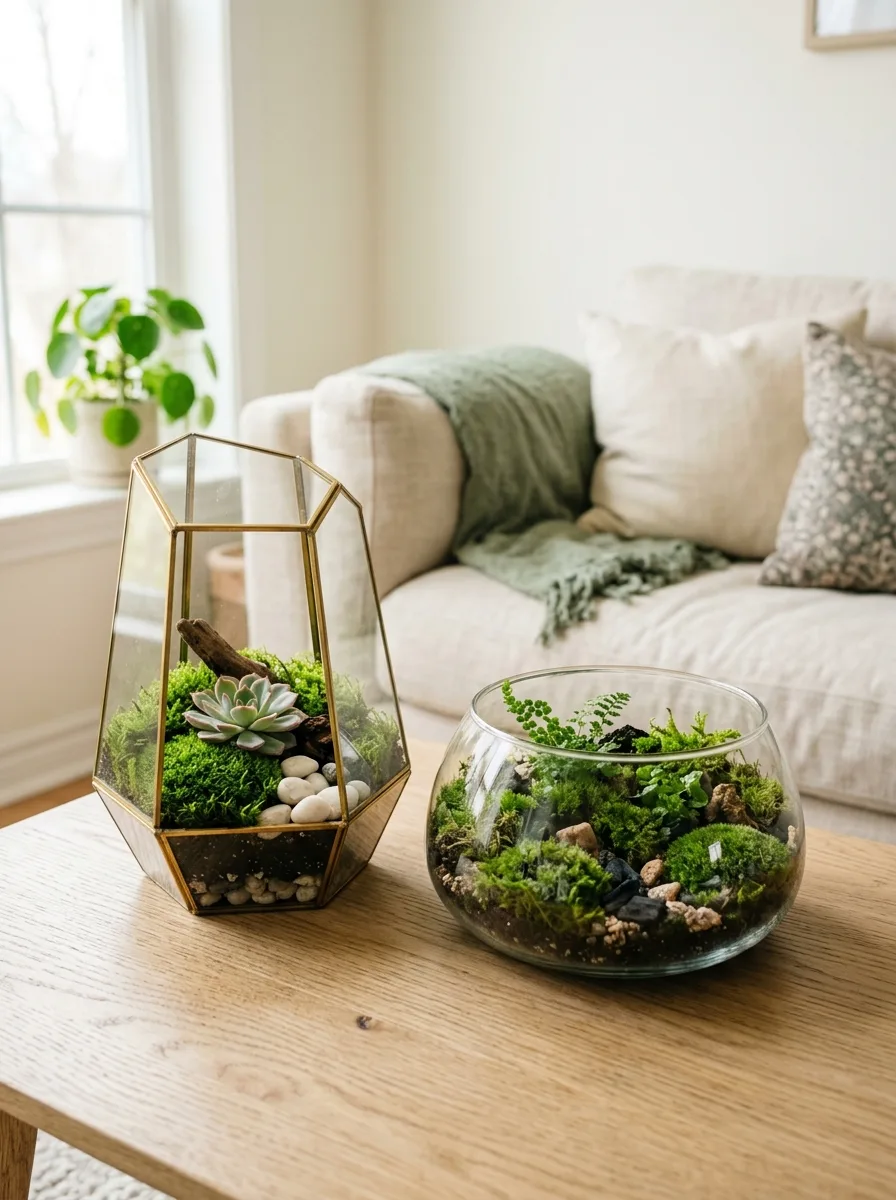
Glass terrariums with moss and succulents are the spring decorating project that keeps giving. They take about twenty minutes to assemble, require almost no maintenance, and create a living, growing display that becomes more beautiful as the weeks pass. A terrarium is not a static decoration — it is a small, self-contained ecosystem that evolves and fills in over time.
Place two different terrarium shapes together on a coffee table or shelf — one tall geometric vessel and one wide shallow bowl — and the grouping creates a styled, intentional vignette that looks like it belongs in an interior design feature. The glass allows the full layered structure to be visible: white pebbles at the base, dark soil in the middle, green moss and plant on top. That visible stratigraphy is part of the arrangement’s beauty.
The Key: Layer drainage materials before soil in every terrarium — white pebbles or horticultural sand at the base prevents water pooling that causes root rot and kills plants within weeks of planting.
22
Blossom Branch Arrangements
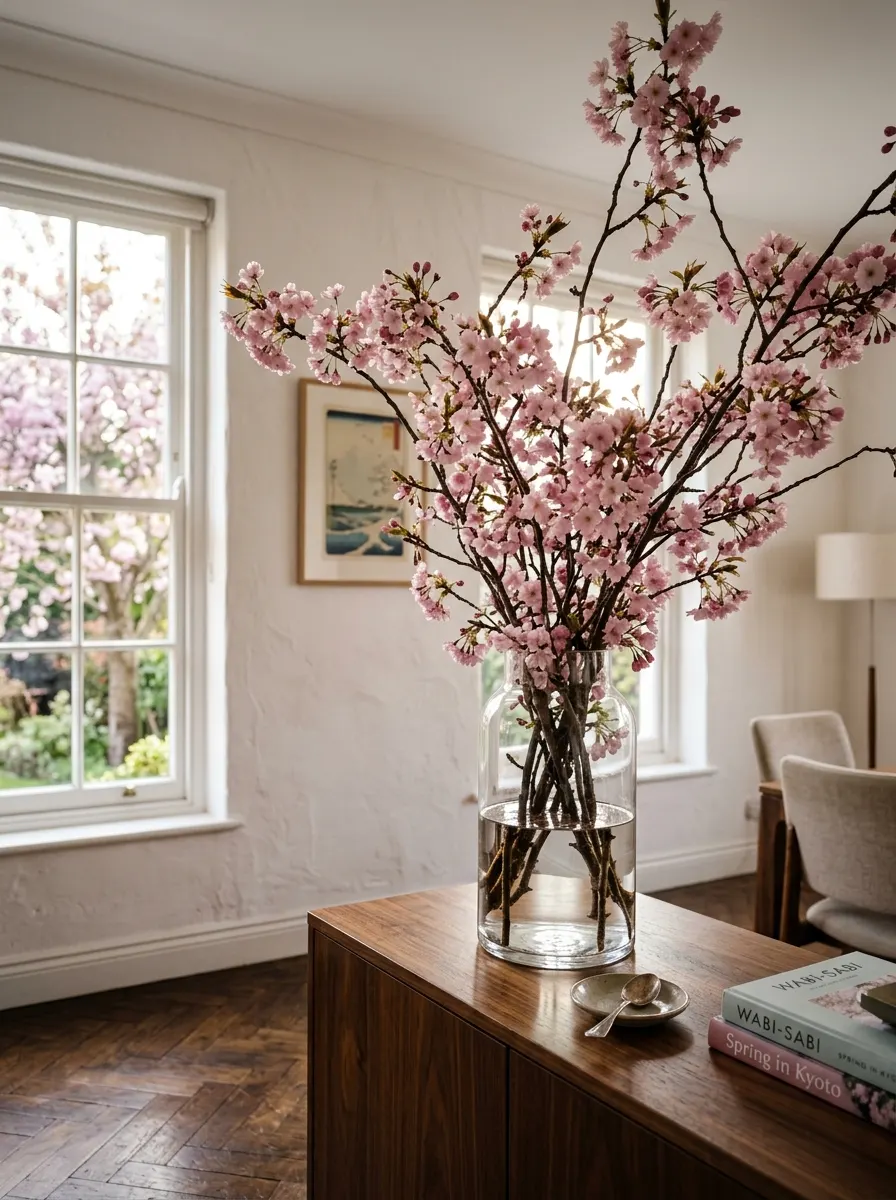
A vase of flowering cherry blossom branches is one of the most cinematically beautiful spring arrangements possible — and one of the simplest to achieve. Those long, dark branches covered in clusters of pale pink blooms create a display so striking it needs nothing around it. One variety, one vessel, one surface. That restraint and that natural drama together are the entire point.
This is the arrangement that stops people mid-conversation when they walk into a room. The scale surprises them. The delicacy of the individual blooms against those strong, bare branches creates a tension that is deeply spring-specific — the contrast between dormant wood and explosive, fragile bloom. I’ve seen a single arrangement of cherry blossom branches make a dining room feel completely transformed for the two weeks it lasts.
The Key: Cut blossom branches at a sharp diagonal and immediately place in warm water — warm water helps the vascular system of woody stems draw moisture more effectively than cold water and significantly extends bloom life.
Spring decorating is not about starting over. It is about opening up — swapping heavier textures for lighter ones, bringing in fresh color, letting natural light do more of the work. Every one of these spring home décor ideas is achievable this weekend with what is already available at your local market, craft store, or garden center.
Pick two or three that feel most exciting to you right now. Try them in your actual space. Stand back and notice how the room shifts. Then save this article to your Pinterest boards and come back for the rest when you’re ready. Because the most beautiful version of your home for this season is closer than you think — it’s just waiting for a few simple, intentional choices to bring it fully to life.