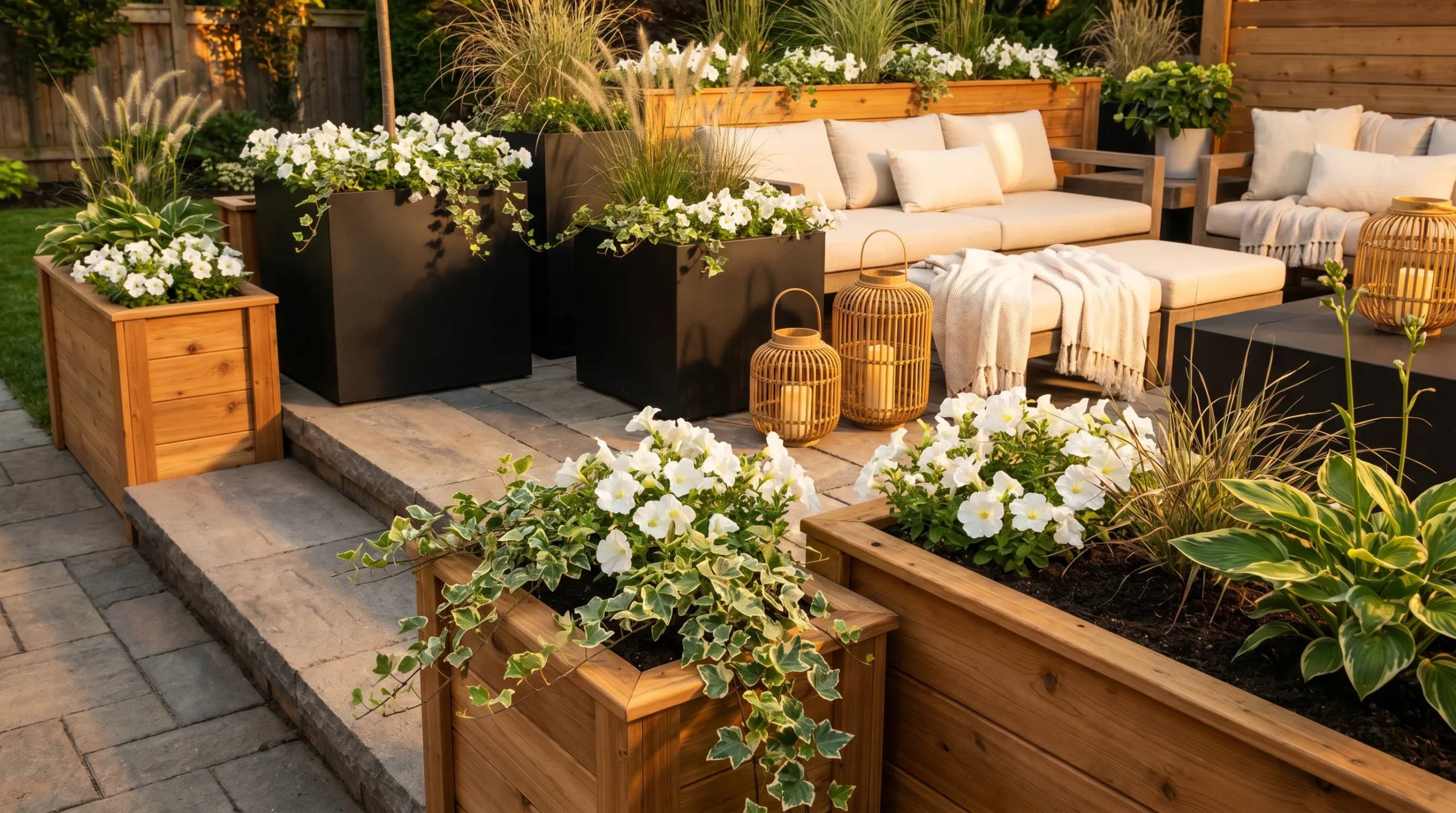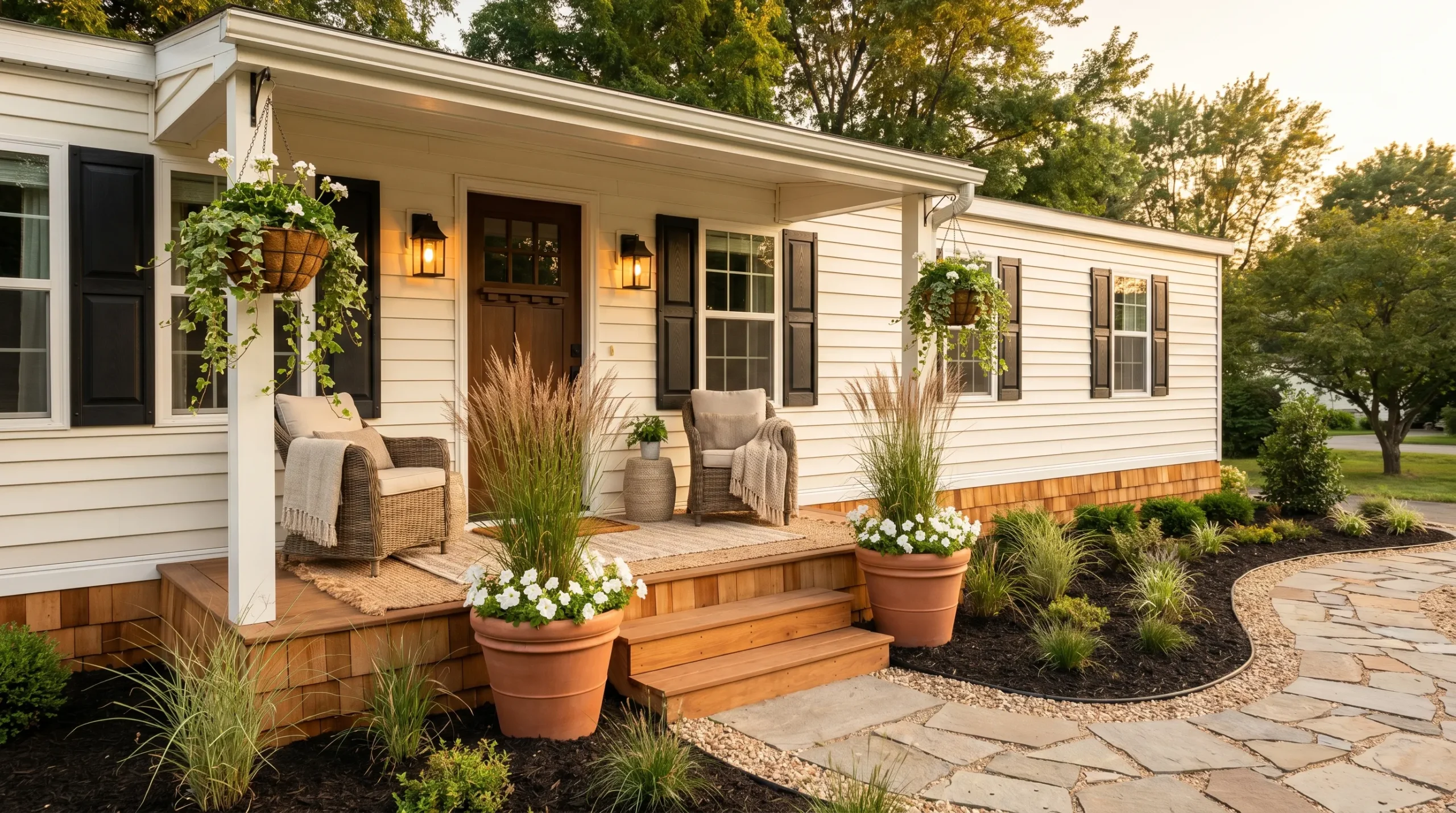
mobile home curb
🏠 21 Real Ideas
⏱ Quick Read
🔥 Always Trending
21 Mobile Home Curb Appeal Ideas
That Prove Styles has Nothing to do with Size
Mobile Home Curb Appeal Ideas can completely change the way a small home feels before anyone even steps inside. The right mix of lighting, texture, landscaping, and color creates warmth that instantly makes a space feel more personal and inviting.
This collection is filled with practical exterior upgrades that make compact homes look polished without demanding massive renovations or oversized budgets. From layered porch styling to modern skirting details, every idea focuses on creating stronger first impressions while still feeling comfortable and realistic for everyday living. I’ve noticed this works well when homeowners focus on small visual details that add depth instead of chasing expensive transformations. These ideas will help you create an exterior that feels brighter, more welcoming, and full of character from the curb.
01
White Shutter Contrast
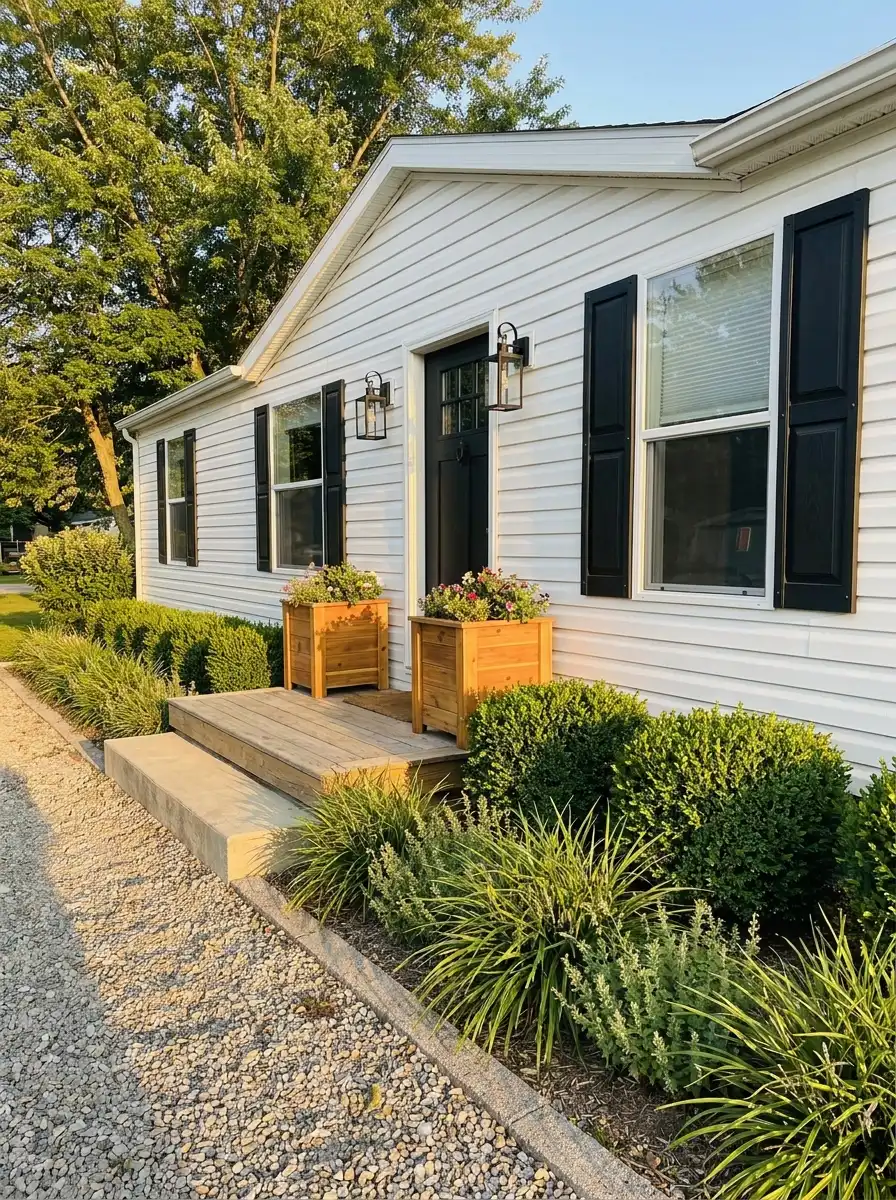
The clean contrast between white siding and dark shutters creates a polished look without major renovations. Small homes often blend into their surroundings when every surface shares similar tones, but darker accents visually frame windows and entryways with much stronger definition. This setup works especially well for older exteriors that feel flat or faded from weather exposure. Warm cedar elements prevent the black details from looking too harsh, keeping the exterior balanced and inviting. Soft landscaping around the foundation also helps the structure feel grounded instead of boxy or disconnected from the yard.
Even modest updates can completely shift the first impression guests experience from the curb. The warm lantern lighting creates depth during evening hours, while the gravel border keeps maintenance simple and visually clean throughout changing seasons. Many homeowners overlook how much window framing affects the overall appearance of compact properties. Dark trim naturally guides attention toward architectural details that already exist instead of forcing expensive additions. In my experience, pairing black accents with warm natural materials creates a timeless exterior style that feels current without becoming trendy or overly decorative for smaller manufactured homes.
The Key: Strong contrast makes compact exteriors feel intentional and styled. Dark window framing instantly gives simple siding more depth and architectural presence.
02
Layered Porch Textures
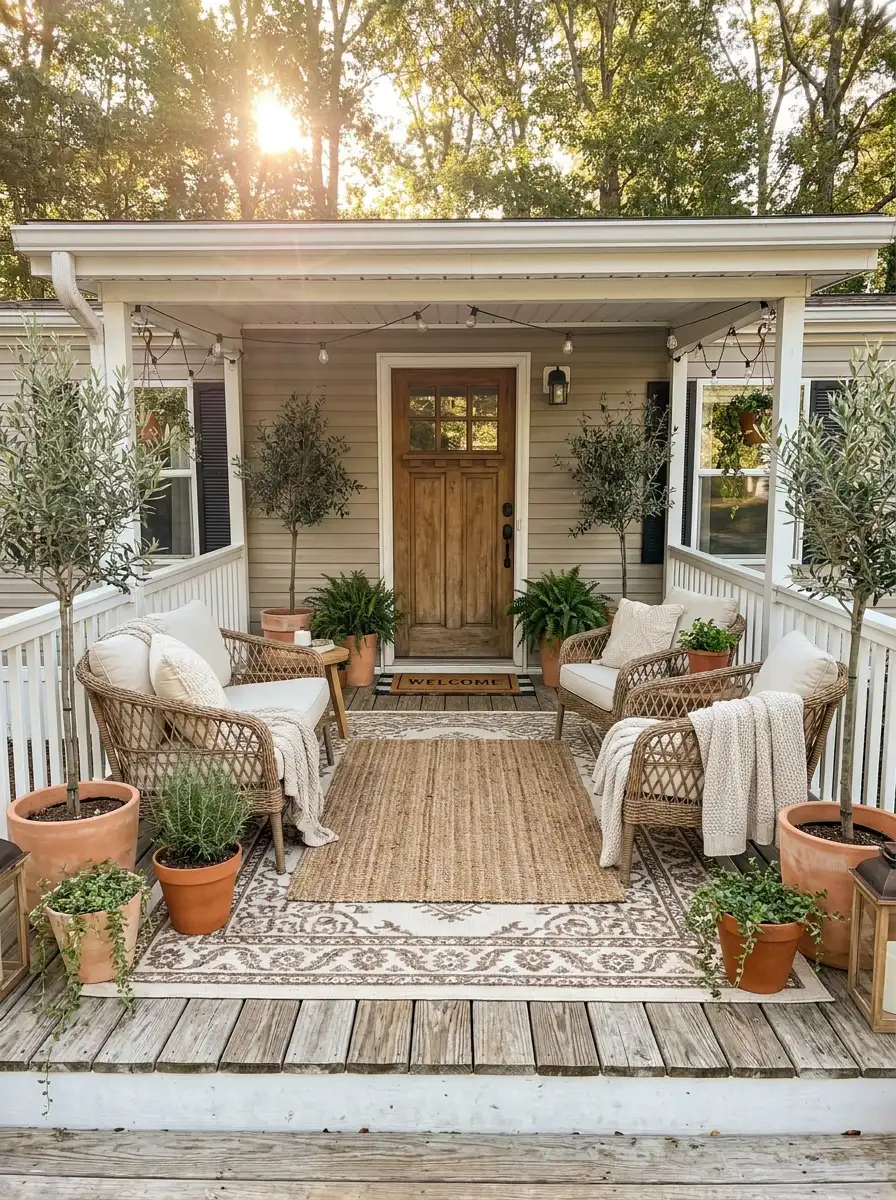
A thoughtfully styled porch can completely change how a smaller home feels from the street. Layered textures create visual depth that distracts from limited square footage while making the entrance feel curated and welcoming. Outdoor rugs especially help define seating zones on narrow decks that otherwise appear unfinished or temporary. Wicker furniture keeps the setup airy because light passes through the open woven frames instead of creating heavy visual blocks. Soft cream cushions brighten shaded porches naturally, while terracotta planters introduce warmth that pairs beautifully with wood decking and neutral siding colors throughout every season.
This style works well because every layer contributes softness without overwhelming the limited footprint. String lighting draws attention upward during evening hours, helping porches appear taller and more inviting after sunset. Many designers recommend mixing at least three natural materials outdoors because it prevents compact spaces from feeling flat or overly coordinated. Jute rugs, wicker seating, wood decking, and clay planters each reflect light differently, adding subtle dimension throughout the setup. The result feels relaxed, approachable, and practical for everyday use while still creating the elevated curb presence many homeowners want for smaller manufactured properties.
The Key: Texture creates richness faster than expensive renovations. Layering woven materials and soft textiles makes even the simplest porch feel intentionally designed.
03
Stone Path Borders
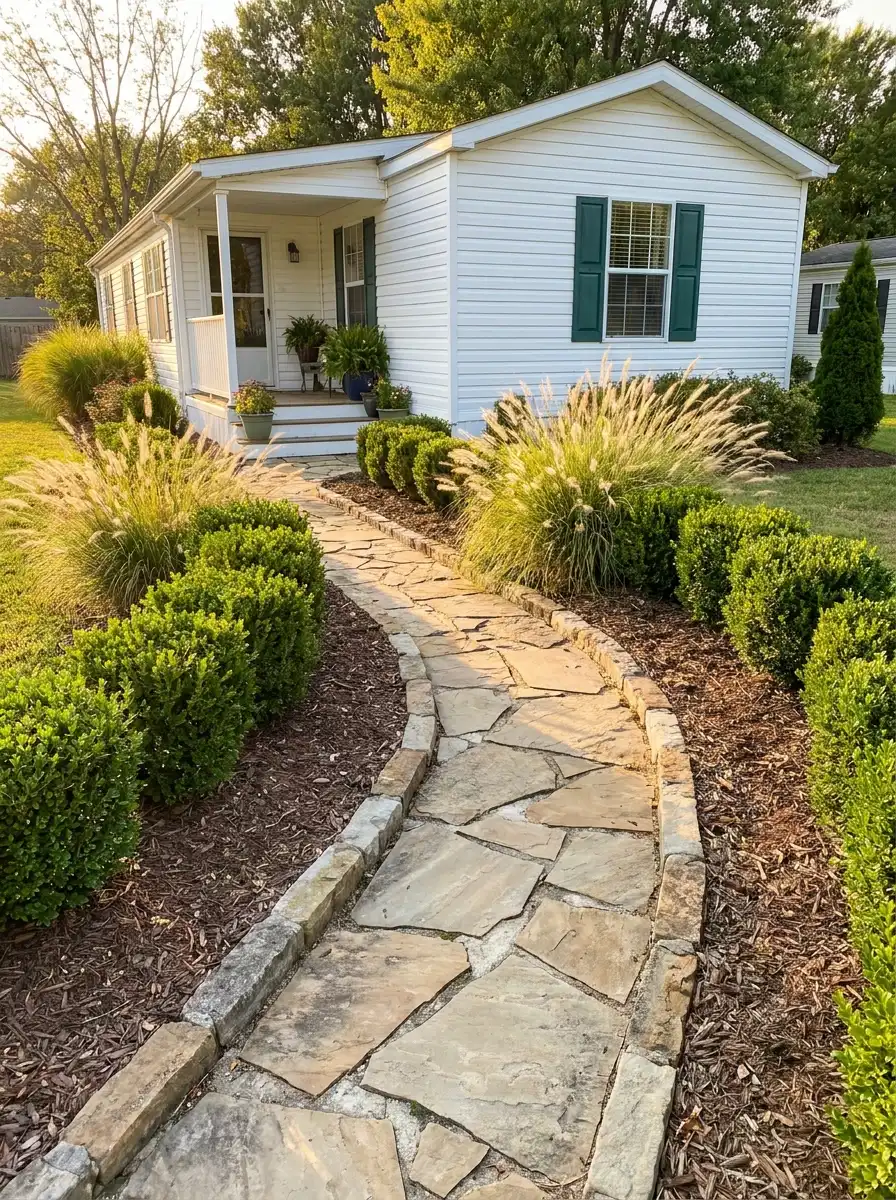
Curved walkways create movement that instantly improves how compact homes are experienced from the curb. Straight concrete paths often feel abrupt and purely functional, while soft curves guide the eye naturally through landscaping and toward the entrance. Stone borders also add texture that breaks up large areas of grass, helping smaller yards appear more layered and intentional. Ornamental grasses introduce softness around hard surfaces without overwhelming narrow spaces or requiring constant upkeep. This approach works especially well for homeowners wanting elegant Mobile Home Curb Appeal Ideas that feel achievable without large construction projects or expensive professional landscaping installations.
The combination of mulch, stone, and layered greenery creates depth that photographs beautifully throughout every season. Afternoon sunlight enhances the texture variation between flagstone surfaces and soft planting beds, making the yard appear richer and more established over time. Many homeowners underestimate how much edging influences the overall appearance of exterior landscaping. Defined borders automatically make planting areas look cleaner, even when the garden design itself remains fairly simple. In my experience, gently curved paths also encourage slower movement toward the home, creating a more welcoming atmosphere compared to sharp linear walkways leading directly toward the front steps.
The Key: Defined pathways make compact yards feel thoughtfully planned. Soft curves and layered edging visually expand outdoor space without increasing actual square footage.
04
Warm Wood Skirting
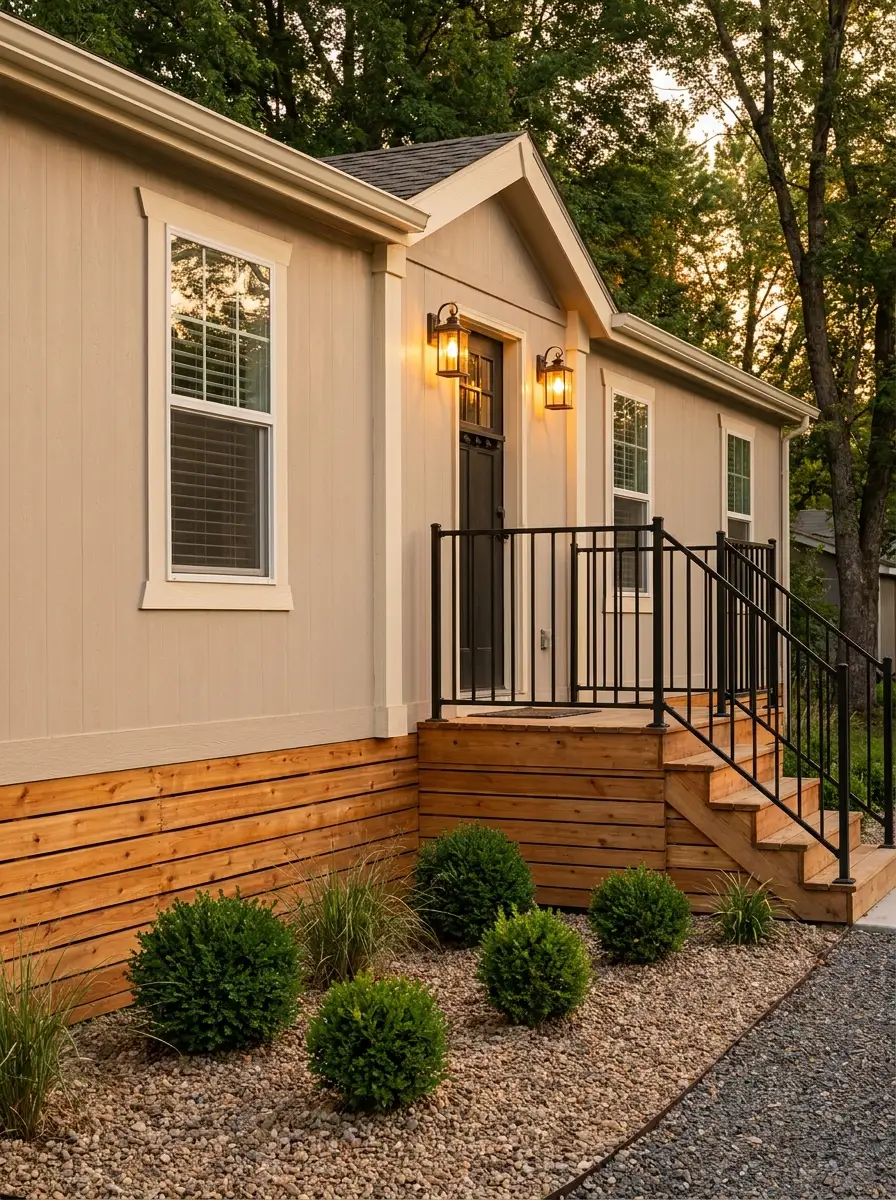
Warm wood skirting instantly gives manufactured homes a more grounded and custom-built appearance. Exposed foundations often make smaller properties feel temporary, but natural cedar panels create visual weight that feels intentional and polished from the street. The horizontal lines also help elongate the structure, making compact homes appear slightly wider and more balanced overall. Warm porch lighting enhances the richness of the wood grain during evening hours while creating a welcoming glow around the entrance. Neutral landscaping keeps the exterior calm and cohesive without distracting from the texture contrast between wood, siding, gravel, and black metal accents.
This design works especially well because it blends rustic warmth with cleaner modern details. Black railings sharpen the softer cedar tones, preventing the exterior from looking overly traditional or dated. Many designers recommend repeating natural materials at multiple heights because it creates better visual flow across compact exteriors. The cedar skirting connects naturally with gravel textures below and warm lighting above, helping the entire façade feel cohesive rather than pieced together. I’ve noticed this works well when homeowners want affordable Mobile Home Curb Appeal Ideas that dramatically improve exterior appearance without changing the structure itself.
The Key: Skirting should feel like part of the design, not an afterthought. Warm wood textures create a stronger architectural foundation instantly.
05
Vintage Garden Accents
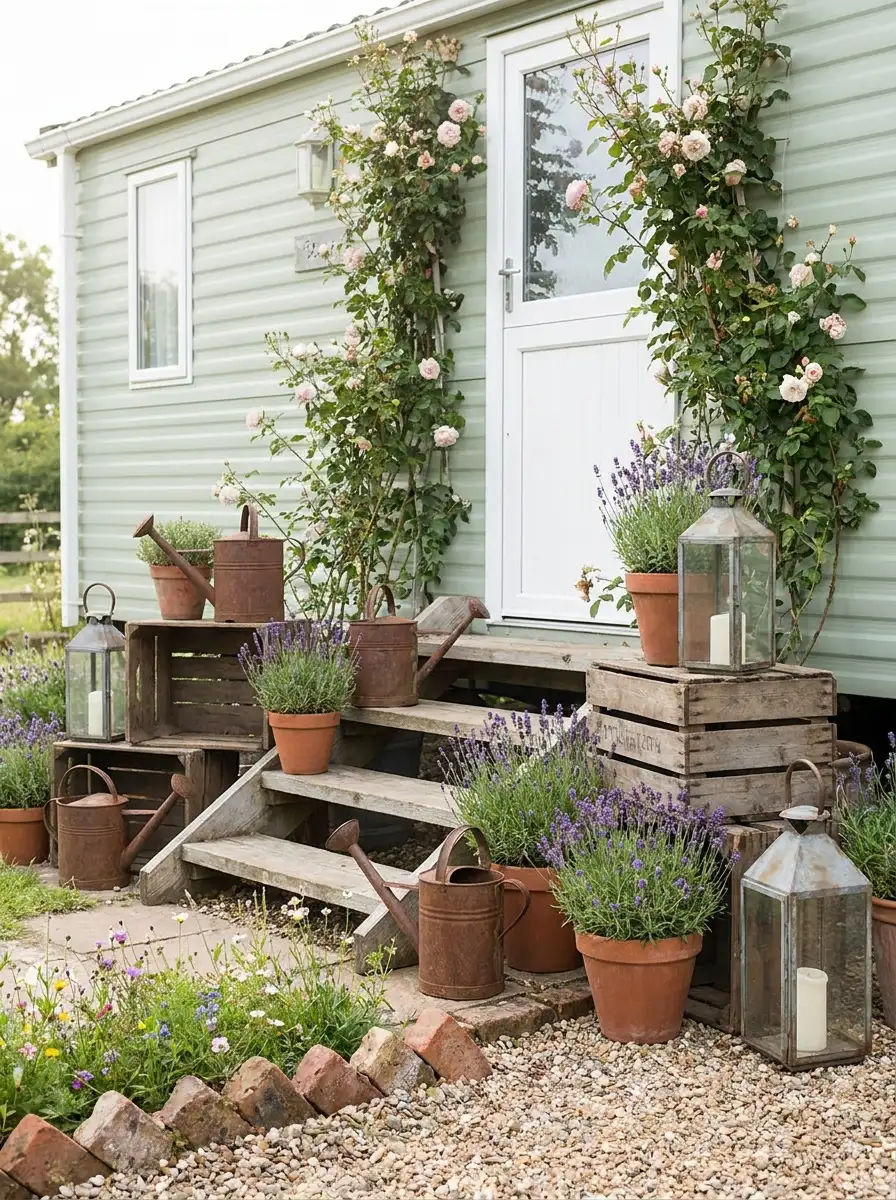
Decorative vintage accents can make a modest exterior feel collected and deeply personal instead of overly staged. Antique watering cans, wooden crates, and weathered lanterns introduce texture variation that instantly softens plain siding and simple porch layouts. Smaller homes benefit especially from layered details because they create visual richness without consuming much physical space. Lavender plants also add movement and seasonal color while remaining compact enough for narrow walkways or tight porch corners. Soft morning light enhances every aged texture naturally, giving the exterior a relaxed cottage atmosphere that feels welcoming rather than overly polished or heavily designed.
The charm of this style comes from thoughtful imperfection and balanced layering. Vintage elements create warmth because they feel unique and slightly worn instead of mass-produced or overly coordinated. Many homeowners find that mixing old textures with clean landscaping creates a more approachable exterior overall. Brick edging grounds the softer decorative pieces while helping flower pots and greenery appear more intentional throughout the yard. In my experience, homes with smaller footprints feel especially inviting when decorative details tell a subtle visual story through texture, patina, natural materials, and collected garden-inspired accents near the main entrance.
The Key: Character matters more than perfection. A few layered vintage textures can make compact exteriors feel warm, personal, and visually memorable.
06
Symmetrical Entry Planters
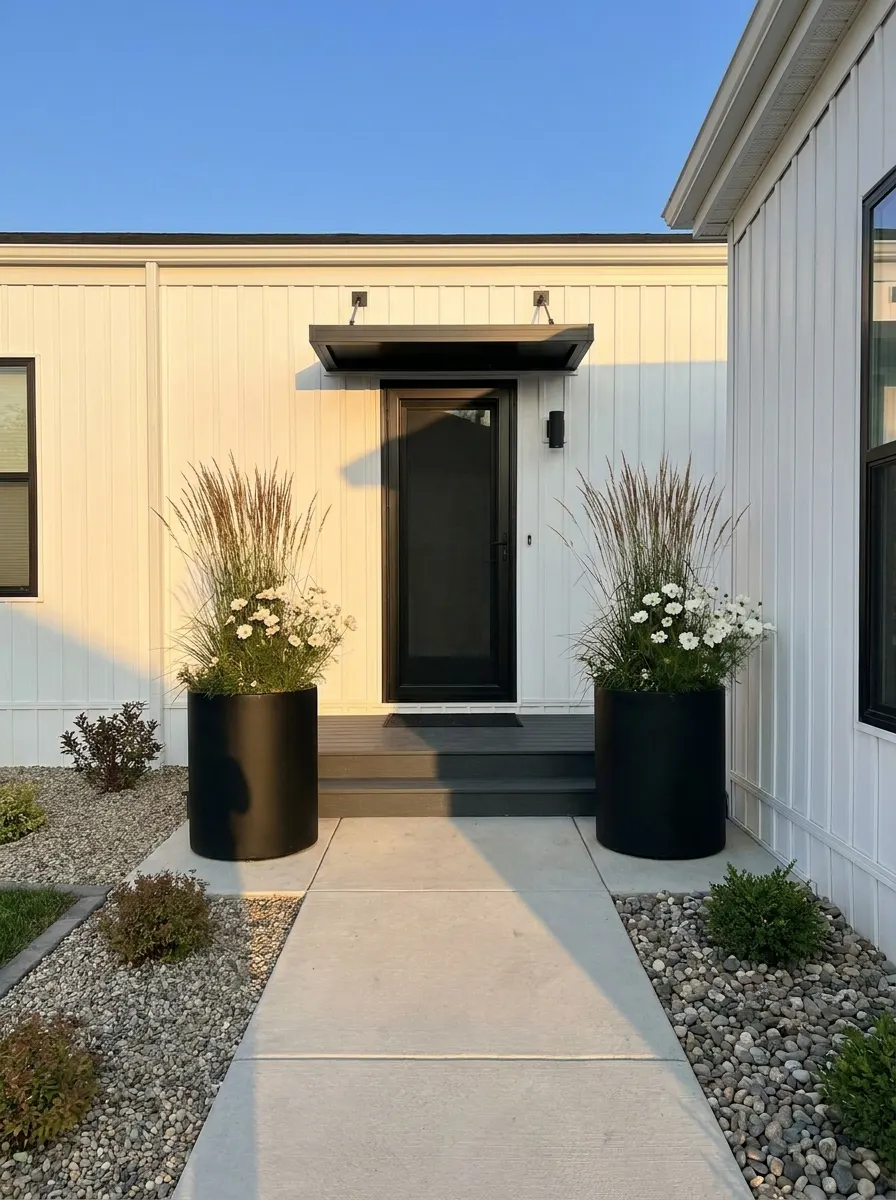
Symmetrical planters create a polished entrance that immediately feels organized and welcoming. Compact homes often benefit from balanced design because it visually simplifies the exterior and creates stronger focal points around the front door. Oversized containers also add scale that smaller porches sometimes lack, helping the entrance feel more substantial without structural changes. Tall grasses introduce movement and softness while maintaining a clean architectural appearance that works across multiple exterior styles. Warm afternoon lighting enhances the contrast between dark planters and bright siding, giving the entire façade a more refined and professionally styled appearance from the curb.
The simplicity of this setup is what makes it so visually effective. Matching planters naturally guide attention toward the entry, creating a cleaner flow from the walkway to the front steps. Many designers recommend using fewer, larger accessories outdoors because smaller decorative items can quickly make compact spaces feel cluttered. White flowers brighten the arrangement gently without competing against the surrounding neutral tones or landscaping textures. I’ve seen this transform small spaces that previously felt scattered or unfinished simply by introducing stronger symmetry, cleaner lines, and vertical greenery positioned directly around the entrance area.
The Key: Balanced entrances feel instantly more expensive. Symmetry creates structure and calm even when the exterior design itself remains simple.
07
Painted Front Steps
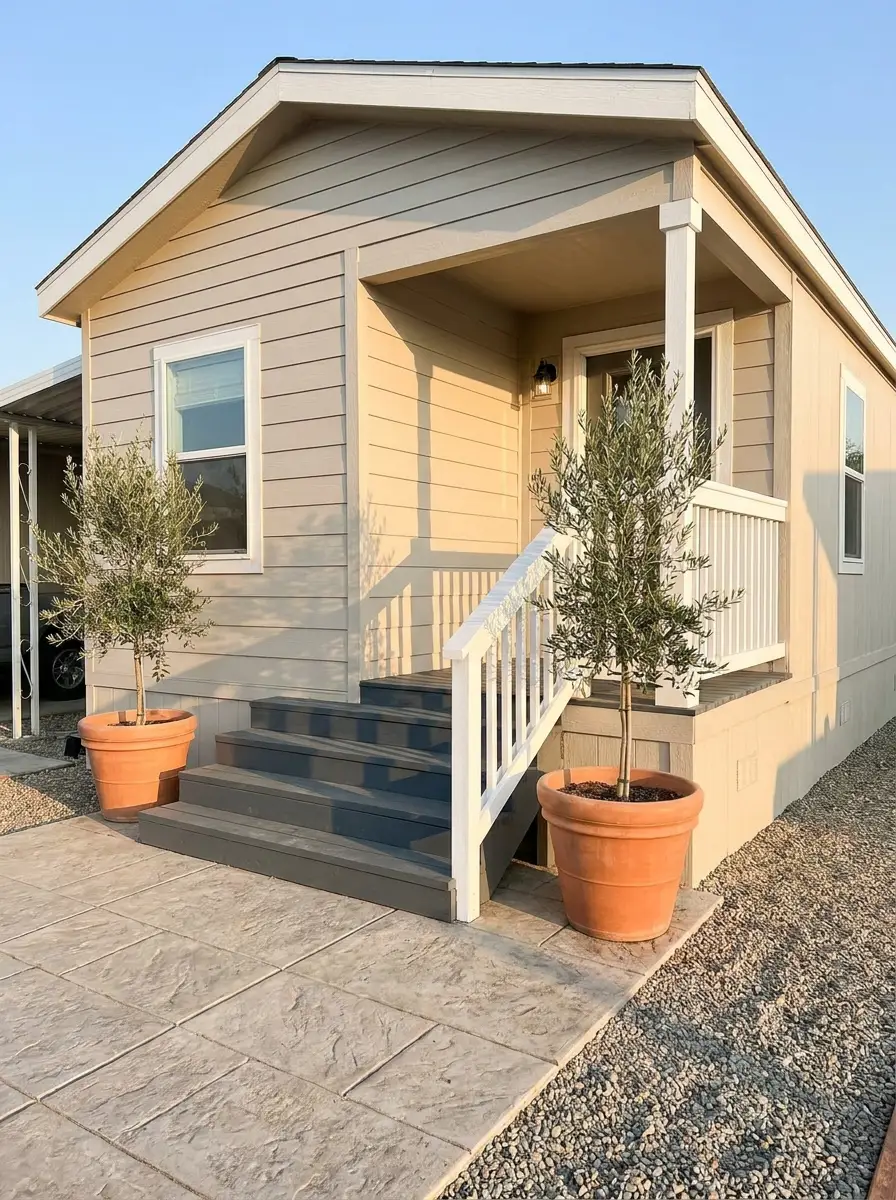
Refreshing front steps with paint creates one of the fastest visible transformations for smaller homes. Worn concrete or faded wood can make the entire exterior feel neglected, even when the rest of the property looks tidy and well maintained. Deep charcoal tones ground the entrance visually while adding contrast against lighter siding and white railings. This darker finish also photographs beautifully in warm sunlight because it highlights texture without appearing overly harsh. Olive trees soften the stronger lines around the entry and add subtle greenery that feels elegant without requiring large porch areas or complicated landscaping arrangements outdoors.
The beauty of painted steps comes from their simplicity and strong visual impact. Fresh color immediately signals care and upkeep, which dramatically improves first impressions from the curb. Many homeowners underestimate how much worn flooring affects exterior appearance, especially near the main entry where attention naturally focuses first. Warm afternoon lighting enhances the clean contrast between charcoal paint, pale siding, and gravel textures throughout the landscape. In my experience, darker porch colors work especially well for compact homes because they anchor the structure visually while helping decorative accents and greenery stand out much more naturally.
The Key: Your entry steps set the tone for the entire exterior. Fresh paint creates an updated, cared-for appearance almost immediately.
08
Solar Path Lighting
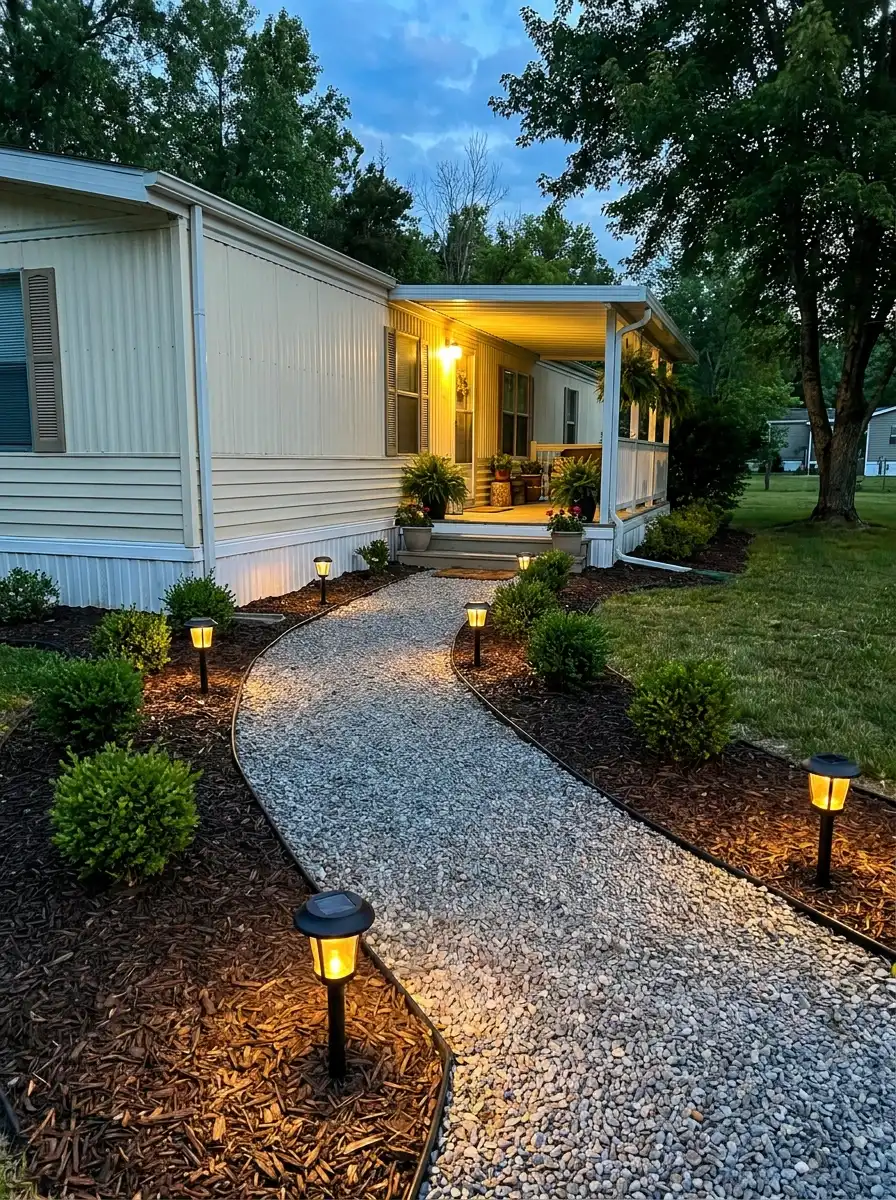
Lighting completely changes how an exterior feels after dark, especially around narrow walkways and smaller entry areas. Solar path lights add structure and warmth while guiding visitors naturally toward the front door with a softer, more welcoming atmosphere. Compact homes often benefit from layered exterior lighting because it creates depth that daylight alone cannot provide. Warm-toned fixtures illuminate surrounding mulch, shrubs, and edging subtly without creating harsh brightness or overwhelming the space. This approach also works well for homeowners wanting affordable upgrades that improve both appearance and functionality without major installation work or ongoing electrical maintenance around the yard.
The spacing and glow of pathway lighting can make even simple landscaping appear more intentional and elevated. Evenly placed fixtures visually stretch the walkway, helping compact front yards feel slightly more expansive and organized overall. Many designers recommend warm lighting outdoors because cooler bulbs often create an uninviting or overly commercial appearance near residential entrances. Soft illumination also highlights textures within gravel, mulch, and greenery that normally disappear after sunset. I’ve noticed this works well when homeowners want subtle Mobile Home Curb Appeal Ideas that improve evening visibility while adding calm atmosphere and visual depth to smaller outdoor spaces.
The Key: Good exterior lighting creates warmth long before guests reach the front door. Soft pathway illumination instantly makes smaller homes feel more inviting.
09
Window Box Greenery
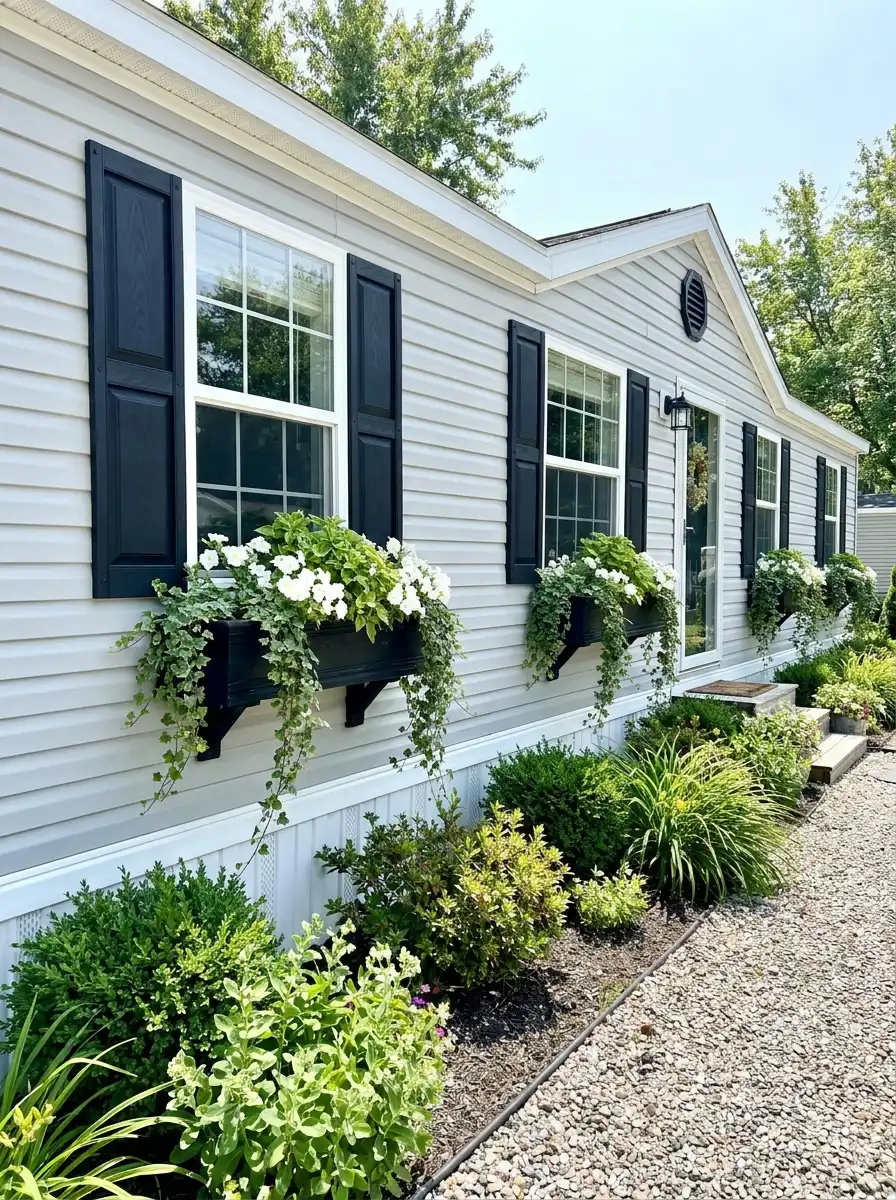
Window boxes instantly bring life and charm to simple exterior walls that might otherwise feel plain or unfinished. Trailing greenery softens rigid window lines while adding texture and movement that changes beautifully throughout the seasons. Smaller homes especially benefit from vertical decorative elements because they draw attention upward and create visual interest without consuming yard space. Black planter boxes provide crisp contrast against light siding, helping the greenery stand out even more naturally during bright daylight hours. White flowers keep the overall palette fresh and cohesive while adding softness that complements cottage-inspired exteriors and relaxed landscaping designs perfectly.
This design works because it combines structure with organic movement in a very approachable way. Window boxes frame each opening more intentionally, giving even standard windows a custom and decorative appearance from the street. Many homeowners overlook how much greenery can soften manufactured exteriors without requiring large garden beds or extensive landscaping work. Seasonal blooms also make updating the exterior feel simple and affordable throughout the year. I’ve seen this transform small spaces by adding layered color and texture directly onto the home itself, helping the entire exterior feel warmer, brighter, and significantly more welcoming overall.
The Key: Window boxes create instant charm by turning basic windows into decorative focal points filled with texture and seasonal color.
10
Black Door Statement
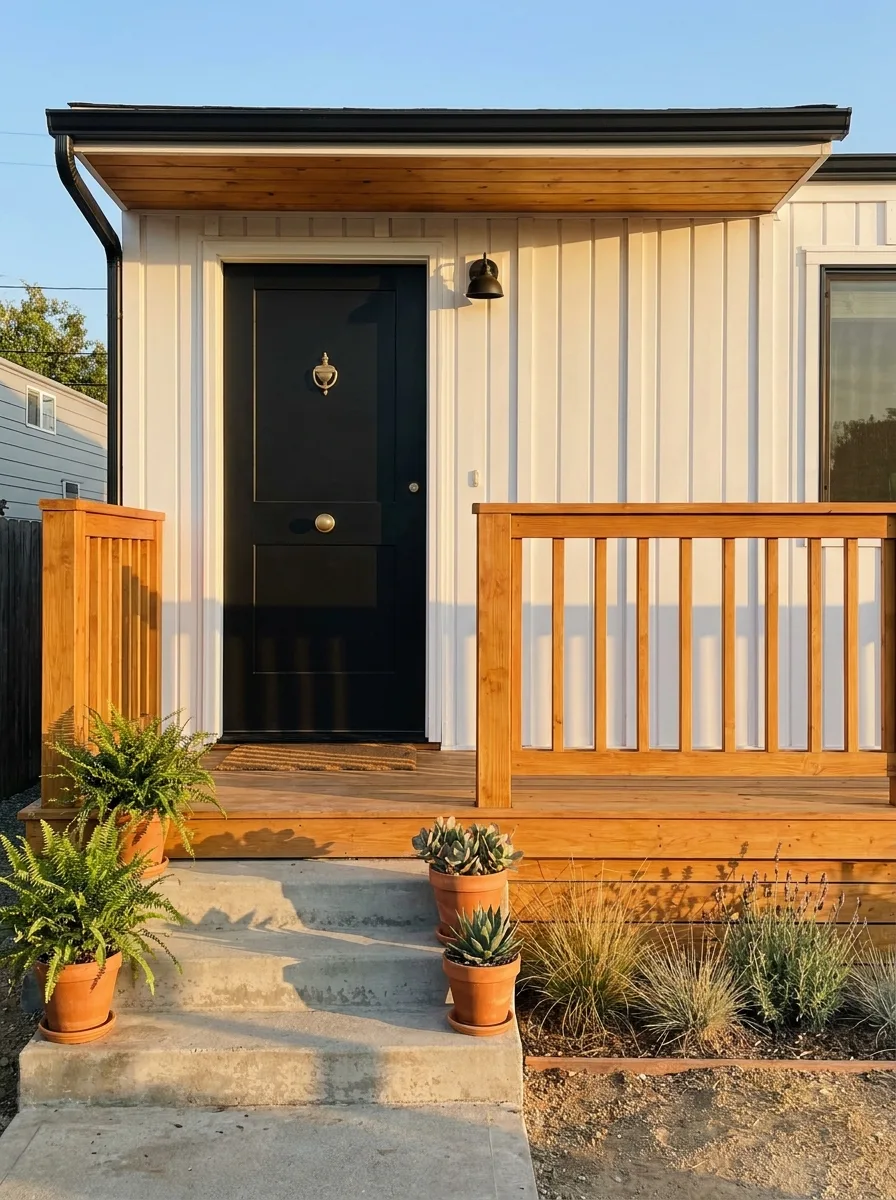
A bold black front door instantly transforms the visual center of a smaller exterior. Simple manufactured homes often lack strong architectural focal points, making the entrance feel less defined from the curb. Matte black paint creates contrast that naturally draws attention toward the doorway while adding depth against lighter siding colors. Brass hardware softens the darker finish with warmth, preventing the look from feeling too stark or industrial. Warm sunlight enhances the texture contrast between painted surfaces, wood accents, and surrounding greenery, helping the entire entrance feel cleaner, more modern, and intentionally styled without requiring large-scale exterior renovations.
This approach works especially well because it balances simplicity with strong visual impact. A darker front door creates the appearance of more structure and dimension even when the exterior itself remains fairly minimal. Many designers recommend emphasizing the entrance first because it influences nearly every first impression guests experience from the street. Warm wood details nearby help the darker paint feel approachable and cohesive instead of overly dramatic. In my experience, black doors also pair beautifully with seasonal décor changes throughout the year, making them one of the easiest long-term upgrades for compact homes seeking timeless exterior style.
The Key: A strong front-door color creates instant architectural focus. Dark entrances help compact homes feel more polished and visually grounded.
11
Desert Gravel Landscaping
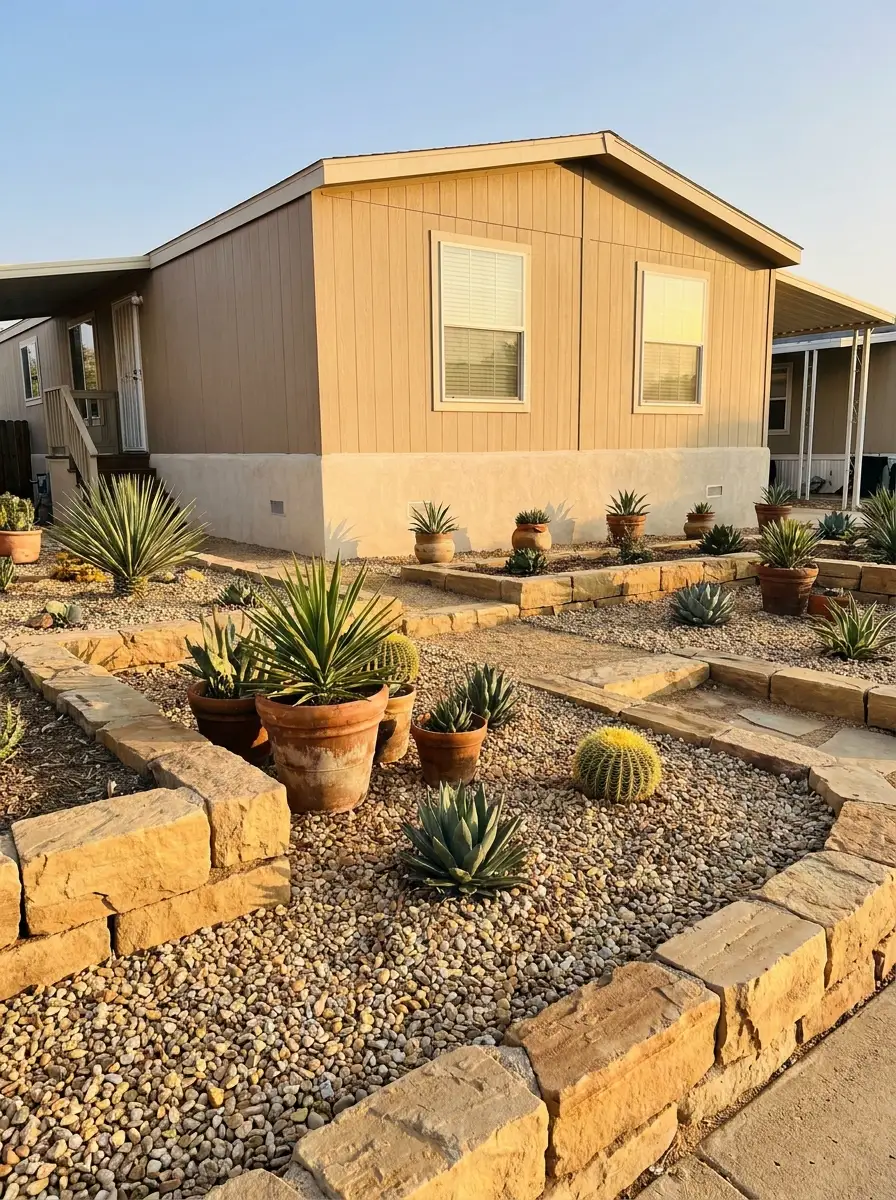
Desert-inspired landscaping creates a calm, organized exterior that feels both modern and highly practical. Gravel surfaces reduce maintenance while helping smaller properties appear cleaner and more structured throughout changing seasons. Succulents and cactus varieties introduce sculptural shapes that add visual interest without requiring large planting beds or constant care. Warm sandstone edging separates landscaping zones naturally, giving the yard a layered appearance that feels intentional rather than sparse. Bright sunlight enhances the texture differences between gravel, terracotta, and greenery beautifully, creating a relaxed Southwestern atmosphere that pairs especially well with neutral siding and compact exterior layouts.
This style works because it focuses on texture instead of excessive decoration or dense landscaping. Smaller homes often benefit from simpler outdoor designs that feel open and uncluttered rather than heavily planted. Many homeowners choose gravel because it immediately improves drainage while creating a cleaner border around the home’s foundation and pathways. Terracotta pots also introduce warmth that softens the cooler stone textures surrounding them. I’ve noticed this works well when homeowners want affordable exterior updates that feel modern, low maintenance, and visually cohesive without depending on large lawns, Colorful flower beds, or complicated irrigation systems outdoors.
The Key: Texture can replace excess landscaping completely. Gravel, stone, and sculptural plants create visual depth without high maintenance demands.
12
Cozy Bistro Corner
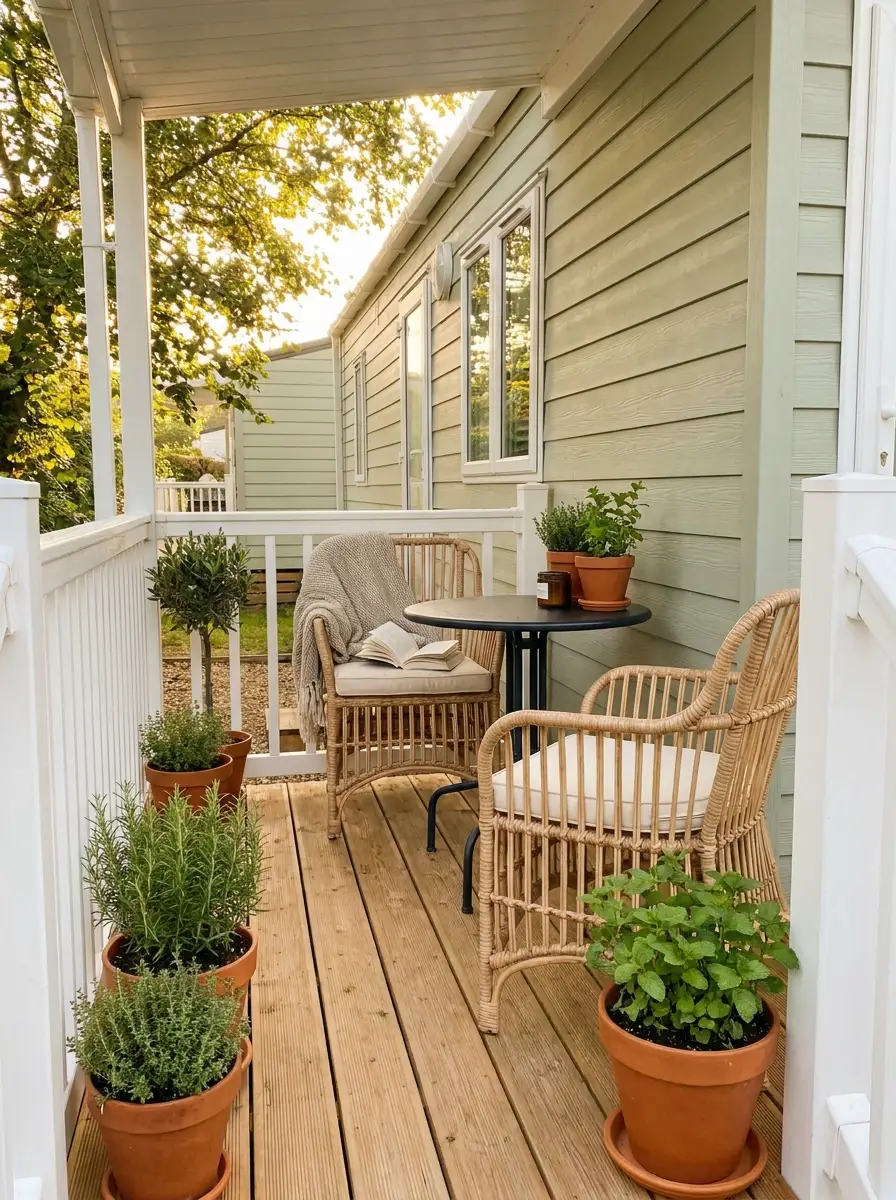
A cozy bistro corner transforms unused porch space into an inviting extension of the home. Smaller exteriors often feel more welcoming when every area appears intentional and lived in rather than purely decorative. Compact seating arrangements create warmth while giving narrow porches a practical purpose beyond simple entry access. Woven textures soften black metal furniture naturally, preventing the setup from feeling too rigid or visually cold. Morning sunlight enhances the layered combination of wood decking, pale siding, greenery, and soft cushions beautifully, helping the exterior feel calm, approachable, and thoughtfully styled without requiring large porches or expensive furniture investments outdoors.
The charm of this setup comes from its balance between comfort and simplicity. Small seating areas visually slow the transition into the home, creating a relaxed atmosphere that feels more personal and welcoming from the curb. Many designers recommend adding functional elements outdoors because they make compact spaces feel richer and more complete overall. Potted herbs also introduce soft greenery and subtle fragrance while remaining practical for everyday use near the entrance. I’ve seen this transform small spaces that originally felt empty or forgotten into inviting focal points filled with texture, warmth, and gentle layered detail throughout the porch area.
The Key: Functional porch styling creates stronger curb appeal than decoration alone. Even a tiny seating area makes the exterior feel more welcoming and complete.
13
Mixed Metal Fixtures
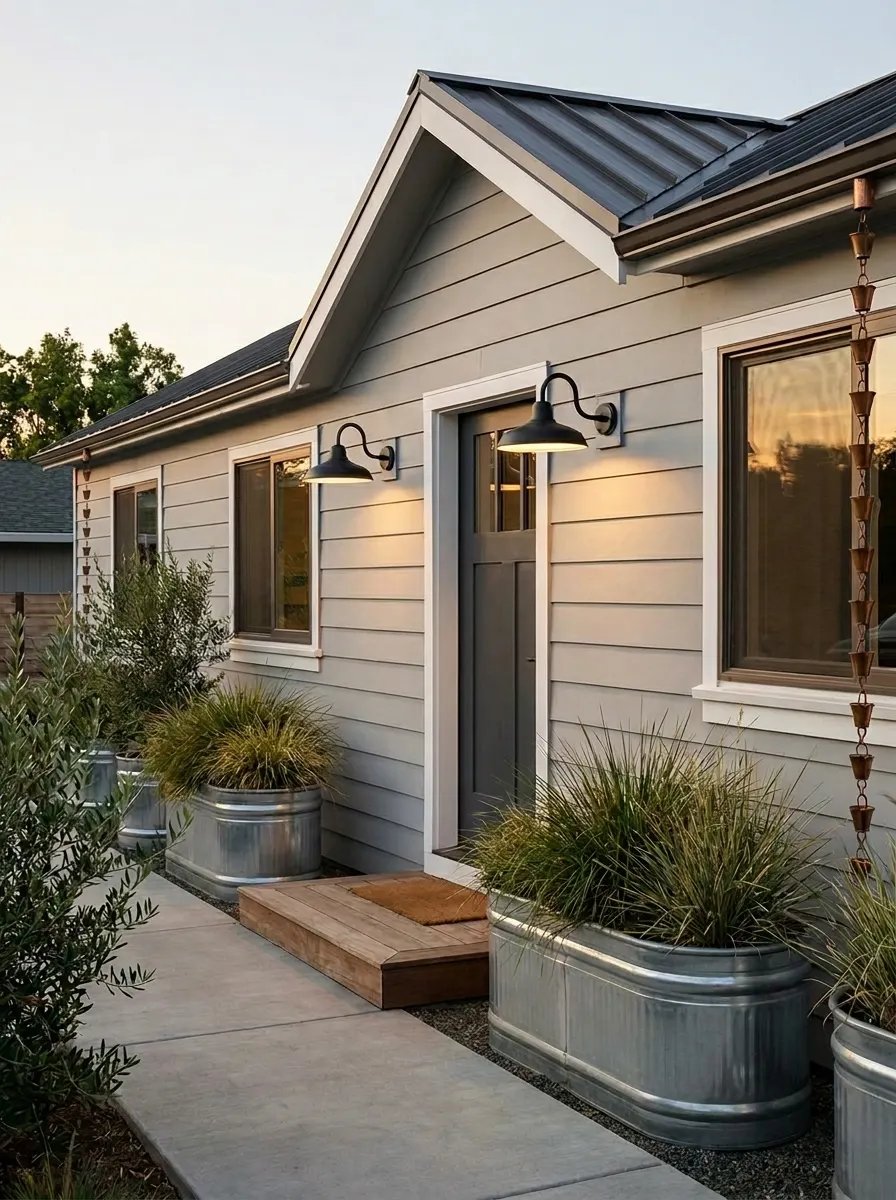
Combining different metal finishes adds richness and visual texture without overwhelming smaller exteriors. Matte black sconces create strong structure around the entrance, while brushed brass details introduce warmth that keeps the space feeling balanced and approachable. Galvanized planters soften the contrast by adding weathered texture and a slightly industrial character that pairs beautifully with neutral siding. Warm dusk lighting enhances every metallic surface differently, helping compact homes feel more layered and visually dynamic after sunset. This approach works especially well when homeowners want subtle upgrades that create a more custom appearance without requiring major exterior renovations or expensive landscaping additions.
The success of mixed metals comes from keeping the overall palette restrained and cohesive. Too many finishes can feel chaotic, but combining two or three complementary tones creates depth while still feeling polished and intentional. Many designers recommend repeating each finish at least twice because it creates better visual balance across the exterior. Brass numbers connect naturally with warm lighting, while black fixtures relate to planters and railings nearby. In my experience, metallic accents become even more impactful on smaller homes because the eye notices texture changes more easily across compact surfaces and simplified architectural layouts.
The Key: Layered finishes create visual sophistication quickly. Mixing warm and cool metals makes compact exteriors feel more intentionally designed.
14
Flowering Fence Line
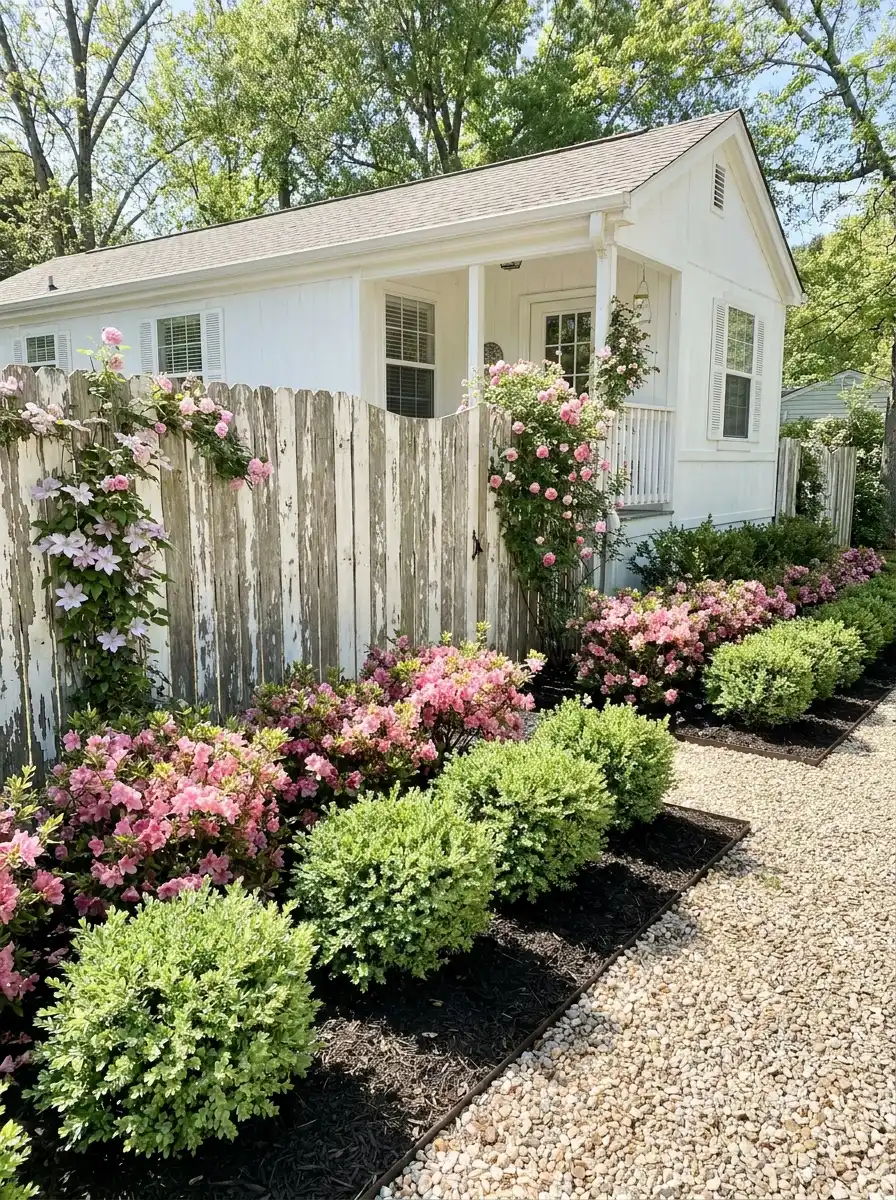
A flowering fence line creates softness and visual privacy that instantly improves curb appeal around compact homes. Plain fences often feel harsh or unfinished on their own, but layered greenery and blooming shrubs transform boundaries into decorative landscaping features. Climbing vines also help draw the eye upward, adding height and movement that make smaller yards feel more expansive overall. Bright spring sunlight enhances the contrast between weathered wood, pastel flowers, and fresh greenery beautifully throughout the exterior. This approach works especially well for homeowners wanting a cozy cottage atmosphere without overcrowding limited outdoor space with oversized landscaping elements or structures.
The layered planting style creates depth that changes naturally throughout the seasons. Flowering shrubs soften straight fence lines while helping the entire yard feel more connected and visually balanced from the street. Many homeowners overlook property edges when updating their exterior, even though perimeter landscaping strongly affects the overall atmosphere of the home. Gravel pathways and mulch beds also keep maintenance simpler while framing greenery more intentionally. I’ve noticed this works well when homeowners want their outdoor spaces to feel calmer, more private, and visually fuller without investing in large decks, patios, or major structural landscaping projects outdoors.
The Key: Fence lines should feel integrated into the landscape, not separate from it. Layered greenery creates softness, privacy, and visual depth instantly.
15
Soft Neutral Palette
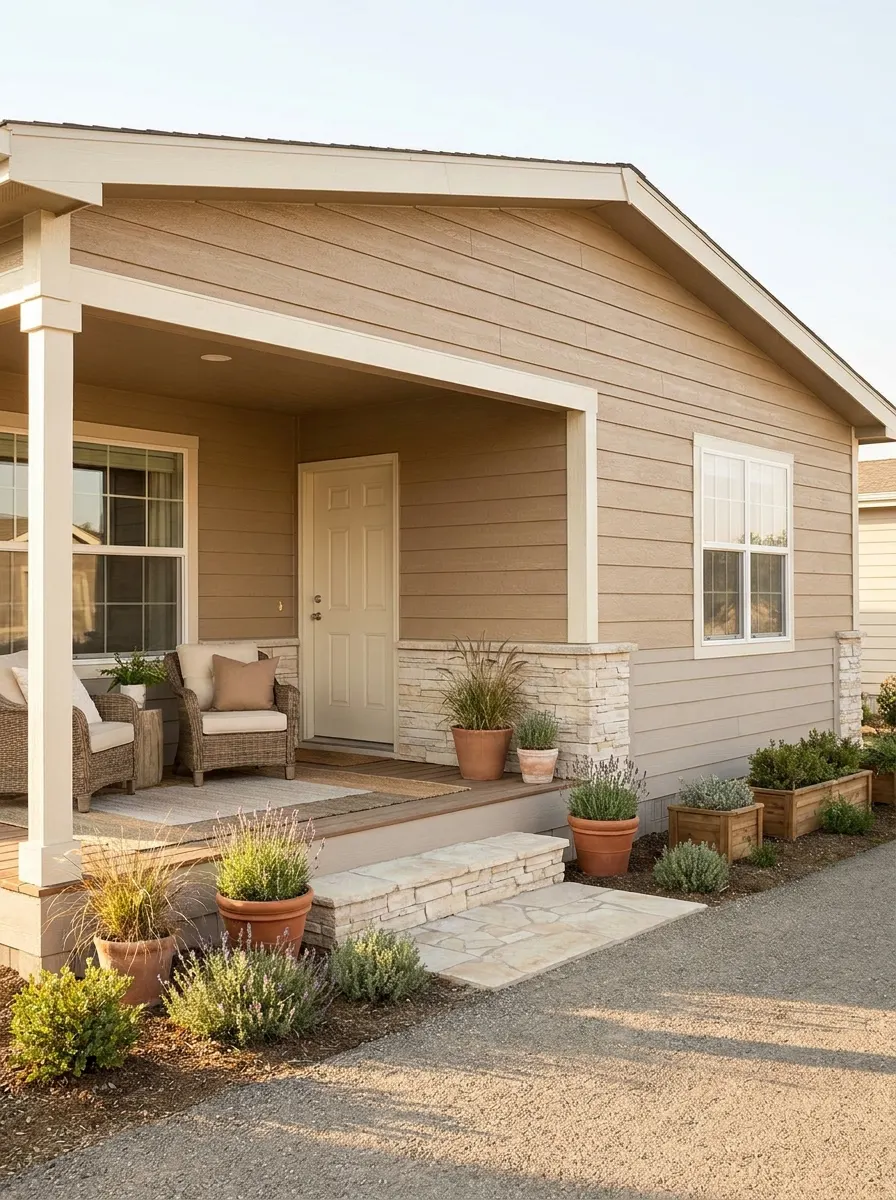
A soft neutral exterior creates calm visual flow that makes smaller homes feel brighter and more spacious. Warm beige siding paired with creamy trim prevents harsh contrast while still adding enough variation to define architectural details naturally. Light stone accents introduce subtle texture that keeps the palette from appearing flat or overly plain outdoors. Morning sunlight enhances the layered tones beautifully, creating soft shadows and warmth across the exterior throughout the day. This style works especially well for compact homes because lighter neutral shades reflect more light, helping porches, pathways, and surrounding landscaping feel more open and inviting overall.
The beauty of neutral styling comes from its flexibility and long-term timelessness. Soft layered colors allow textures like wicker, stone, wood, and fabric to stand out more naturally without competing against bold paint choices. Many designers recommend using tonal variation instead of sharp color contrast when working with smaller exteriors because it creates a smoother and more cohesive appearance. Pale skirting and stone details also help visually connect the structure to the surrounding landscaping. In my experience, homes with softer palettes photograph especially well because natural lighting enhances every texture and layered surface throughout the exterior design.
The Key: Soft tonal layering creates a calmer and more expansive exterior appearance. Neutral palettes allow textures and natural materials to become the focal point.
16
Modern Horizontal Slats
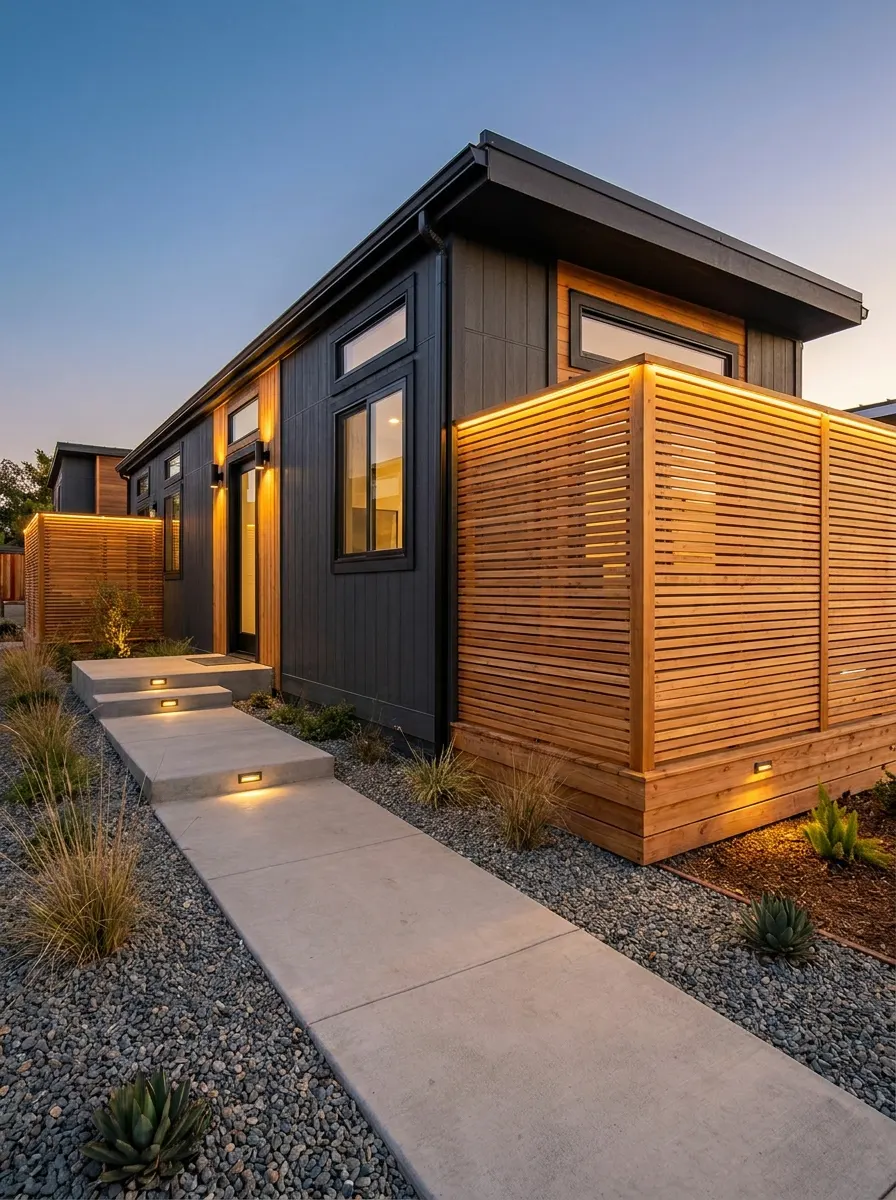
Horizontal slat details create a cleaner and more architectural appearance that works beautifully on compact homes. The long linear pattern visually stretches the exterior, helping narrower structures appear wider and more balanced from the curb. Warm cedar tones soften darker siding naturally while introducing texture that keeps the overall design from feeling cold or overly industrial. Minimal landscaping and gravel beds reinforce the clean modern aesthetic without overcrowding limited outdoor space. Soft evening lighting enhances the layered materials beautifully, creating depth and warmth that make the exterior feel polished, intentional, and significantly more custom compared to standard manufactured home finishes.
This style succeeds because it balances simplicity with strong visual structure. Slatted panels add privacy and dimension without blocking light or making the yard feel boxed in. Many homeowners choose horizontal lines because they instantly modernize older exteriors while remaining timeless and versatile over time. Black trim sharpens the softer cedar textures, creating contrast that photographs especially well in natural evening light. I’ve seen this transform small spaces that previously felt visually disconnected by introducing repeated linear elements that guide the eye smoothly across the entire exterior and surrounding outdoor areas.
The Key: Horizontal lines create visual expansion. Slatted wood details instantly make compact exteriors feel more modern and architecturally balanced.
17
Hanging Basket Layers
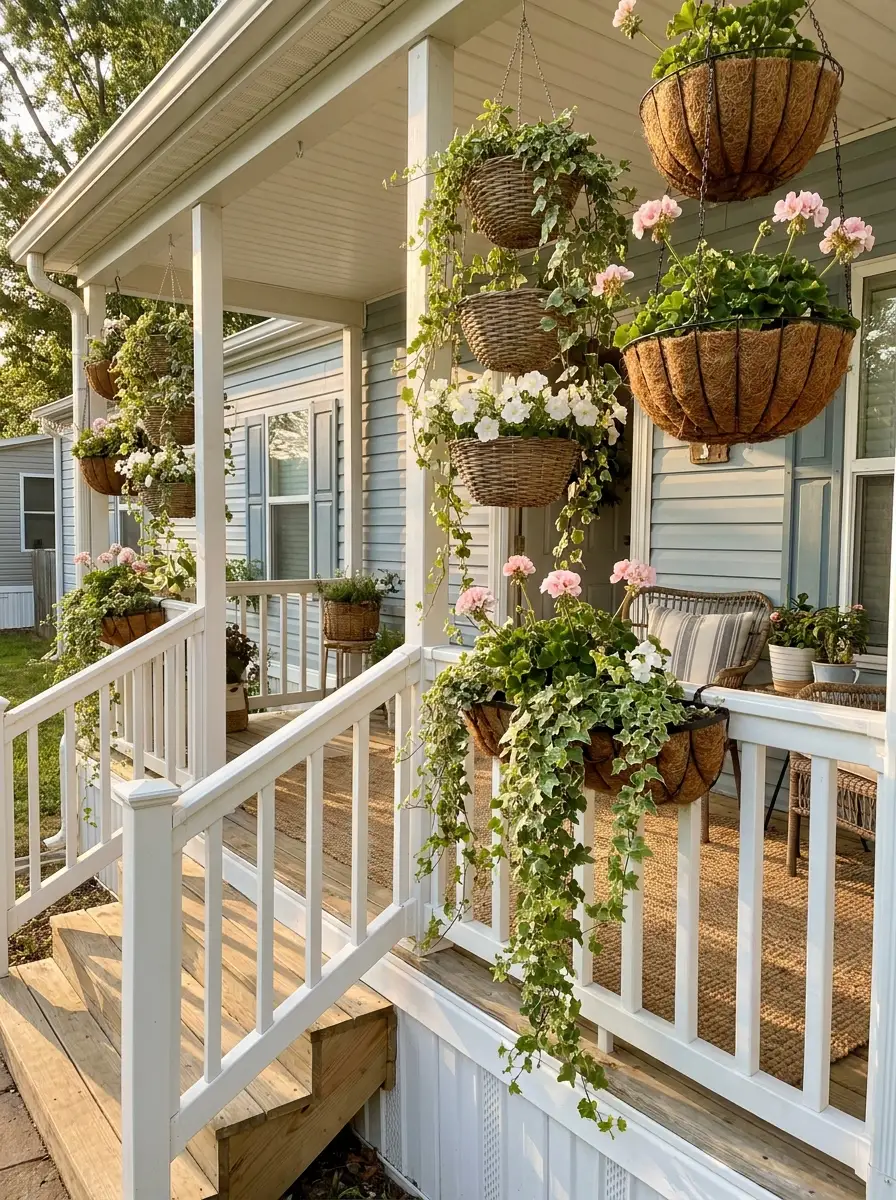
Layered hanging baskets create instant charm and softness around compact porch areas. Vertical greenery draws attention upward, helping smaller exteriors feel taller and more visually dynamic without adding bulky decorative pieces. Cascading ivy and blooming flowers also soften sharp railing lines naturally, creating a more relaxed and inviting atmosphere from the curb. Warm afternoon sunlight highlights every texture beautifully, from woven outdoor materials to trailing leaves and delicate flower petals. This setup works especially well for narrow porches because hanging arrangements add visual fullness while preserving floor space for seating, pathways, or decorative accents near the entrance.
The beauty of hanging baskets comes from their layered movement and changing seasonal color. Grouped greenery creates depth around the entryway while helping the entire porch feel more connected to the surrounding landscaping outdoors. Many designers recommend varying plant lengths slightly because it prevents hanging displays from appearing overly stiff or perfectly symmetrical. Soft pastel blooms also brighten lighter siding without overwhelming the overall exterior palette. In my experience, porch greenery becomes far more impactful when suspended at different heights, creating gentle visual flow that makes smaller entrances feel richer and significantly more welcoming overall.
The Key: Vertical greenery adds fullness without cluttering compact porches. Hanging plants create softness and movement that instantly warm exterior spaces.
18
Brick Border Definition
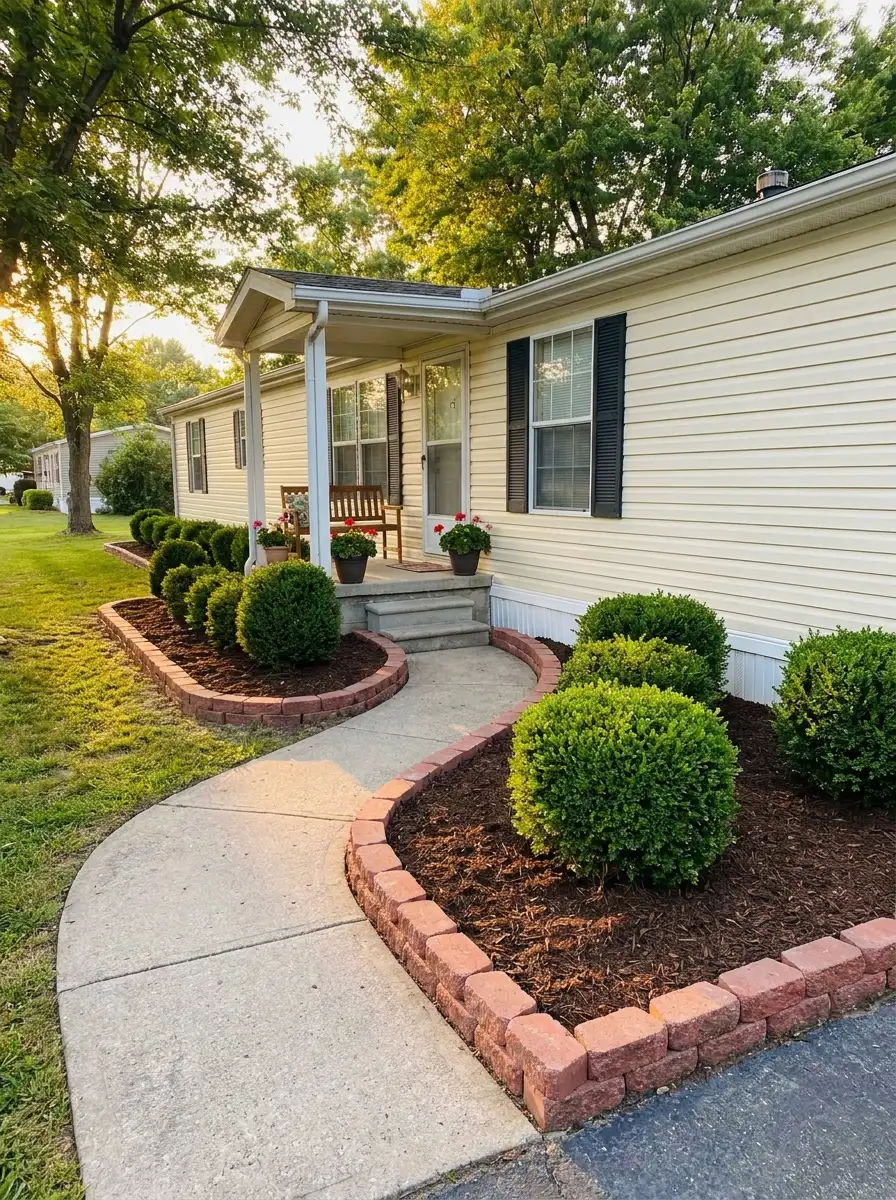
Brick borders add structure and warmth that instantly improve the appearance of smaller front yards. Defined edging separates landscaping zones clearly, making even simple planting beds feel cleaner and more professionally maintained from the curb. Red brick also introduces earthy texture that complements cream siding and natural greenery beautifully throughout every season. Curved walkways soften the sharper exterior lines commonly found on manufactured homes, helping the entire property feel more welcoming and visually balanced. Golden-hour lighting enhances every layered texture naturally, from the mulch beds and brick surfaces to trimmed shrubs and softly illuminated concrete pathways outdoors.
The strength of this design comes from its combination of order and warmth. Brick edging creates visual organization without feeling overly formal or difficult to maintain over time. Many homeowners find that clearly framed landscaping automatically makes the yard look more expensive and established, even with modest planting choices. Mulch beds also help greenery appear fuller while keeping maintenance simpler throughout changing seasons. I’ve noticed this works well when homeowners want traditional Mobile Home Curb Appeal Ideas that feel approachable, timeless, and achievable without major renovation projects or large-scale landscaping investments around the property.
The Key: Clean landscaping edges dramatically improve first impressions. Brick borders create instant structure and warmth around simple outdoor spaces.
Beautiful exteriors are rarely about size. Thoughtful lighting, layered textures, clean landscaping, and warm natural details can completely reshape how a home feels from the street. These Mobile Home Curb Appeal Ideas prove that even simple upgrades can create a more welcoming, polished, and personal space without overwhelming your budget.
📌 Save this post on Pinterest so you can revisit your favourite ideas later.
✨ Try at least one idea in your own space and notice how quickly small changes transform the atmosphere.
💬 Share this with someone who would love giving their exterior a fresh new look.