Living Room Color Psychology
🏠 18 Real Ideas
⏱ Quick Read
🔥 Always Trending
18 Living Room Color Psychology Ideas
That Reveal What Your Sofa Says About Your Style
Have you ever walked into a living room and felt something before you even noticed the furniture? That invisible pull is not accidental. It is living room color psychology at work, quietly shaping how you feel the moment you step inside. Your sofa is the biggest color decision in the room, and it is sending a message whether you planned it or not.
This article walks you through 18 sofa color ideas rooted in color psychology for living rooms, each one revealing a different side of your personality and style. Whether you are drawn to bold statements or calming neutrals, understanding room color and mood will help you create a space that not only looks beautiful but genuinely feels like home.
01
Classic Beige Sofa Warmth
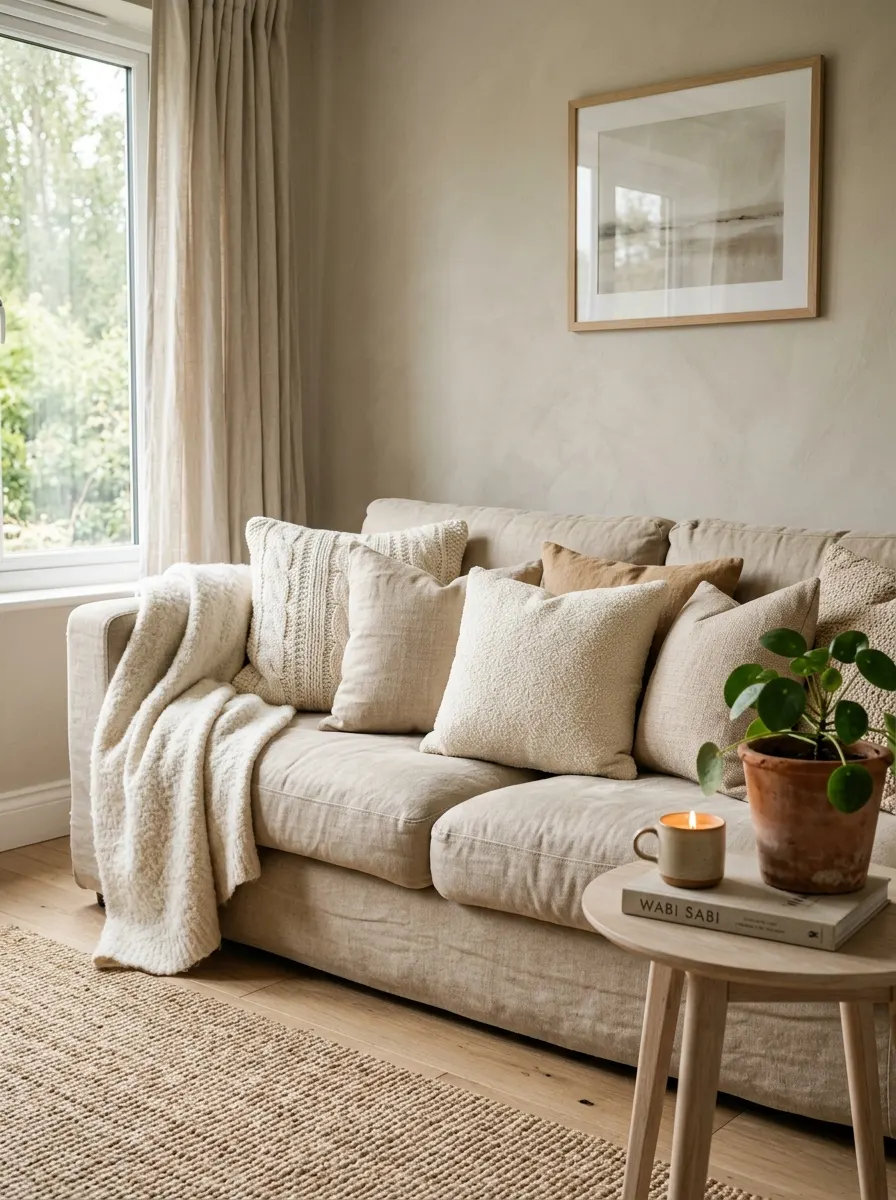
Beige is often called safe, but that completely misses the point. In living room color psychology, beige represents steadiness, quiet confidence, and a desire for spaces that never feel exhausting. People who choose beige are not playing it bland; they are choosing a foundation that invites everything else to breathe.
Layering tone on tone is the real trick here. Use a richer caramel cushion against a soft cream throw, then anchor the room with a textured woven rug. That contrast creates depth without noise, which is exactly what a beige lover wants from their living room.
The Key: Beige communicates an openness to comfort over trend, making it one of the most psychologically grounding sofa color meaning choices available.
02
Taupe Sofa Sophisticated Edge
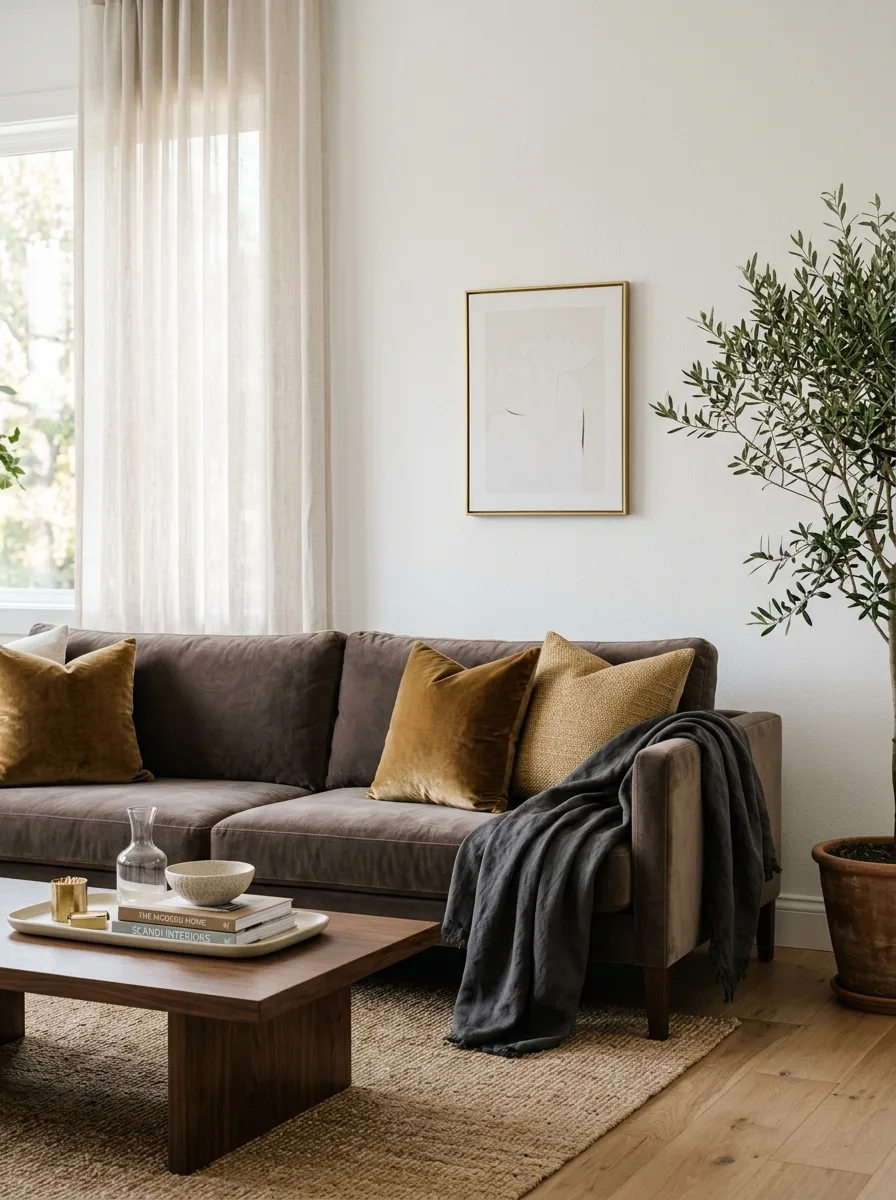
Taupe is where warmth meets cool restraint, and that balance is very intentional. In color psychology for living rooms, taupe signals a person who appreciates elegance without drama. It is the choice of someone who researches before decorating and prefers timeless over trendy.
Pair taupe with antique gold hardware and warm white walls, and the entire room elevates instantly. The secret is contrast done quietly. Taupe does not want to compete; it wants to be the refined backdrop against which every other texture takes the spotlight.
The Key: Taupe reflects a thoughtful, design-literate personality that values depth and understated sophistication in every color choices for your living room.
03
Cream Sofa Airy Minimalism
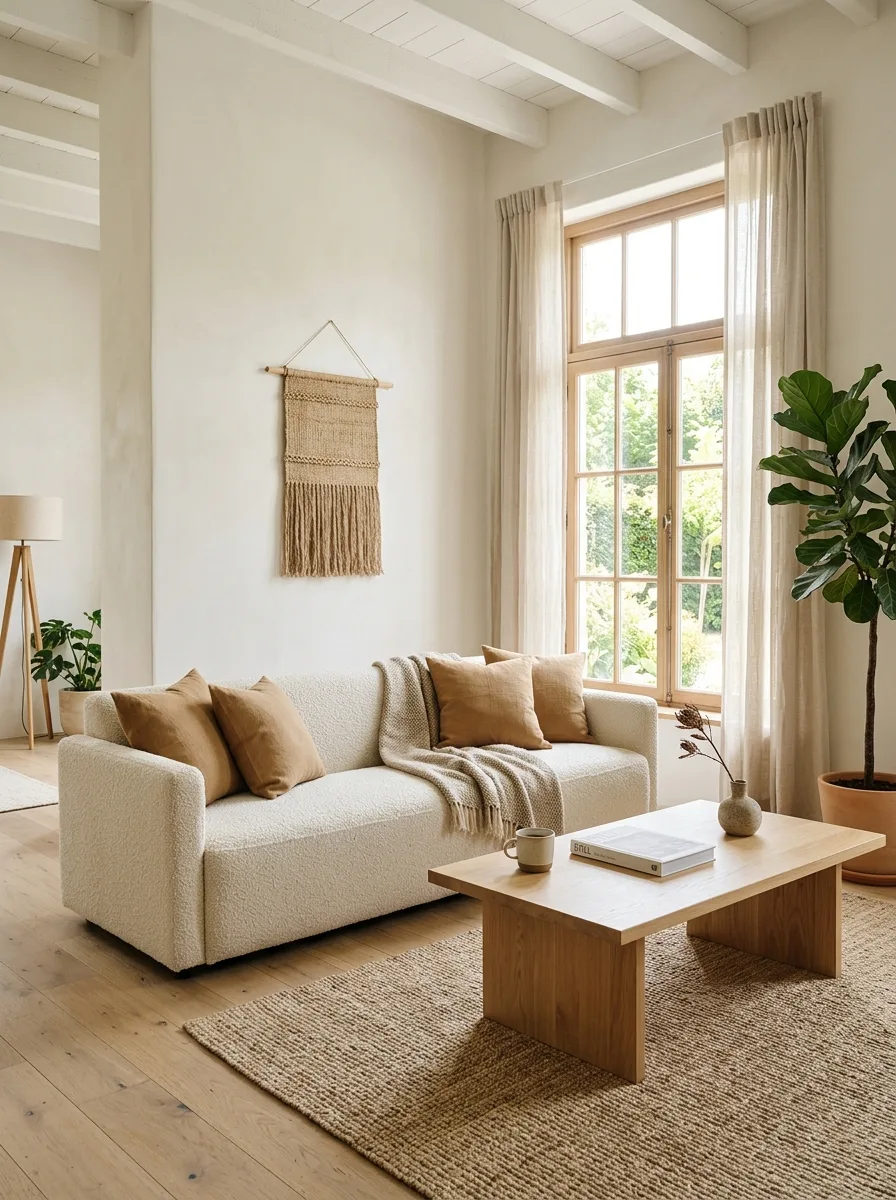
Cream sofas attract light chasers and simplicity lovers. In the language of living room color psychology, cream says you value openness, fresh starts, and space to think. It is not about having nothing; it is about having exactly what matters and nothing more.
The key to cream that works is texture contrast. A smooth cream sofa against a rough linen cushion creates visual interest without introducing another color. Keep finishes matte and lighting warm, and cream becomes one of the most effortlessly beautiful choices in any room.
The Key: Cream communicates clarity of mind and a preference for visual calm, making it a powerful statement in room color and mood design.
04
Ivory Sofa Quiet Luxury
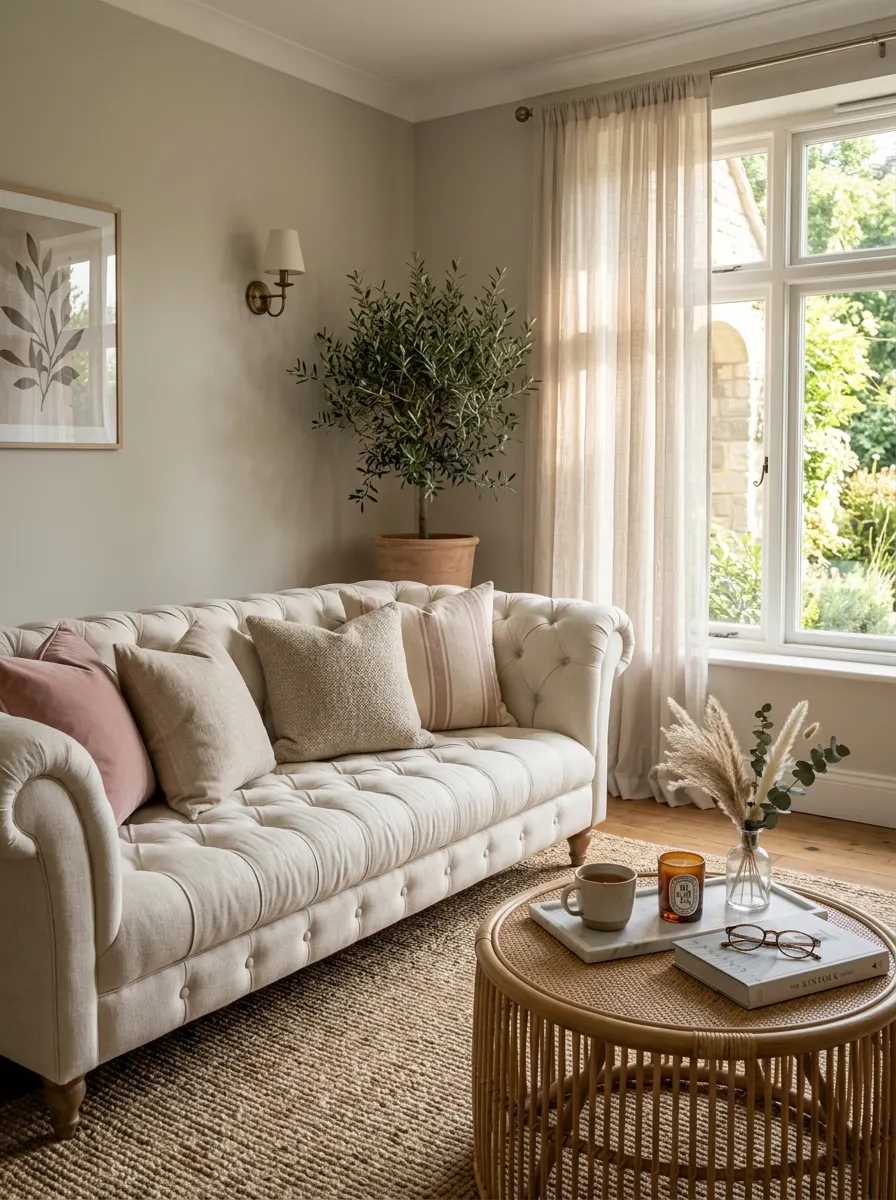
Ivory carries the warmth that pure white cannot, and that difference matters more than most people realize. In living room color psychology, ivory suggests someone who wants luxury without cold perfection. It is softer, more welcoming, and far easier to live with day to day.
Style ivory with dusty pink or warm clay accents to bring out its golden undertones. The result feels expensive without being stiff. Ivory rooms feel like they have been lived in by someone with impeccable but effortless taste.
The Key: Ivory reflects a relaxed approach to refinement, someone who understands that room color and mood can feel both luxurious and genuinely comfortable.
05
Greige Sofa Effortless Balance
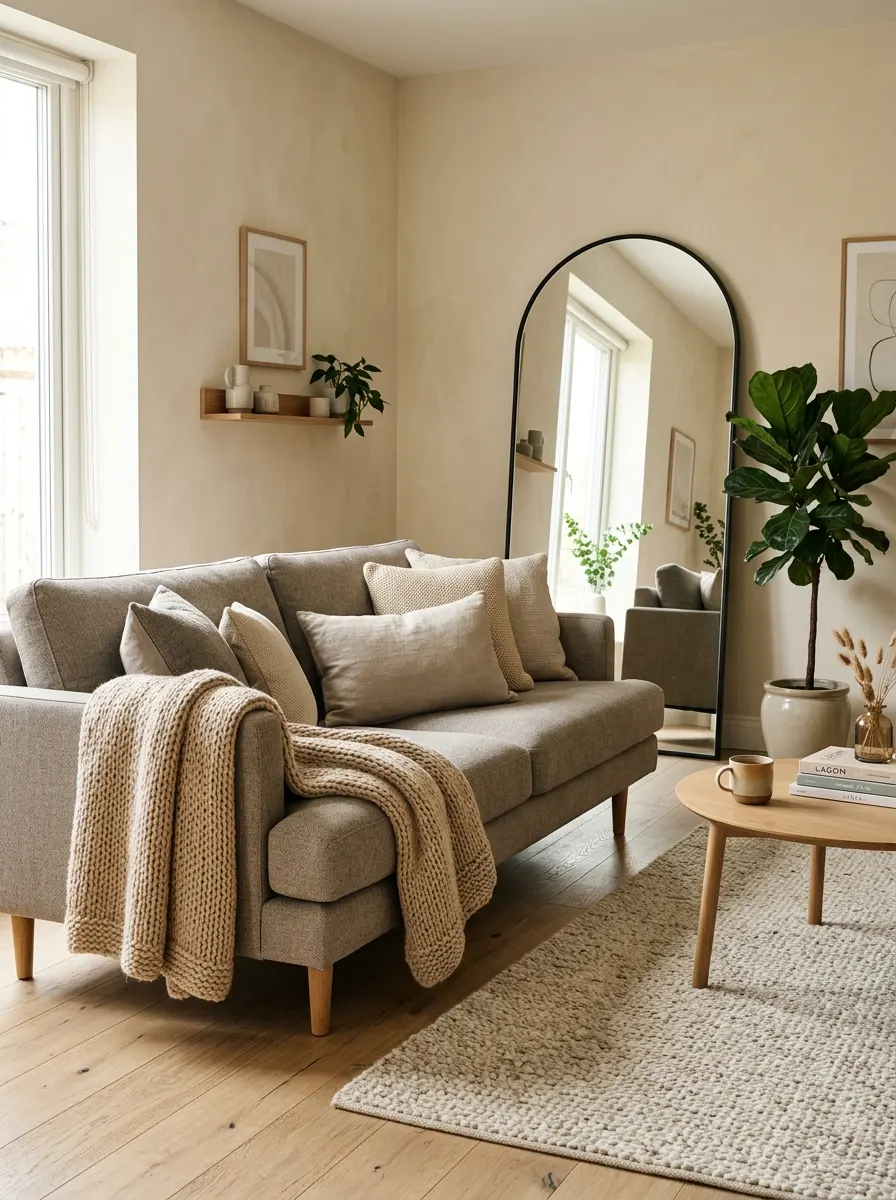
Greige sits perfectly between beige and grey, and that is exactly the personality it attracts. In the framework of color psychology for living rooms, greige signals someone adaptable, composed, and genuinely comfortable with nuance. They do not need extremes to feel at home.
This tone thrives alongside timber, stone, and matte black accents. The mix of organic textures keeps greige from reading as flat while maintaining that signature low-key calm. It is one of the most livable colors in the entire neutral family.
The Key: Greige reflects balance-seeking personalities who prefer living room color psychology that feels collected and serene without being cold or clinical.
06
Pale Terracotta Earthy Personality
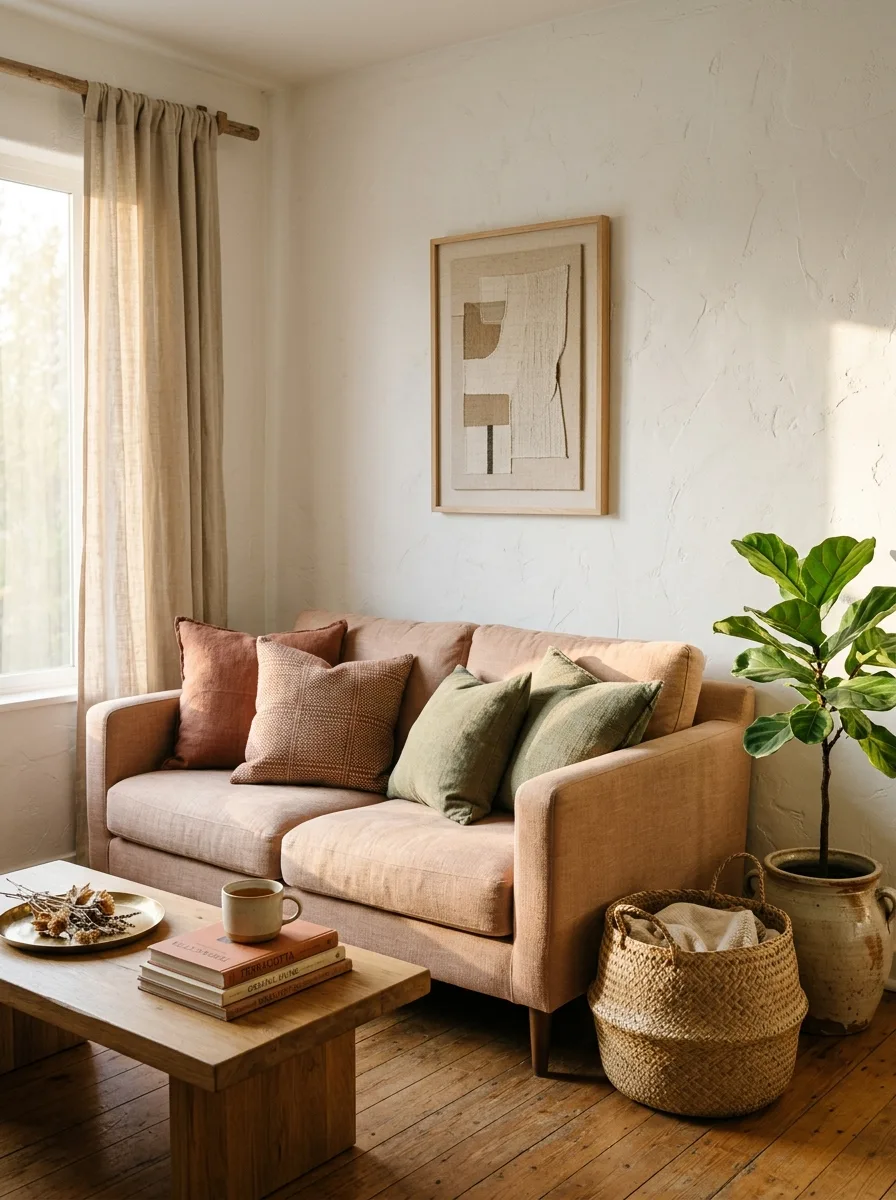
Pale terracotta walks the beautiful line between neutral and expressive. In living room color psychology, it draws people who want warmth with a story, spaces that feel traveled, layered, and quietly personal. It is earthy without being heavy, vibrant without being loud.
Pair it with muted cool tones in artwork or soft blue-grey ceramics for balance. The contrast stops it from reading orange while keeping all of that gorgeous warmth alive. Under warm LED lighting at night, pale terracotta becomes something close to magical.
The Key: Pale terracotta reflects a personality drawn to authenticity and warmth, making it one of the most emotionally resonant color choices for your living room.
07
Navy Sofa Bold Anchor
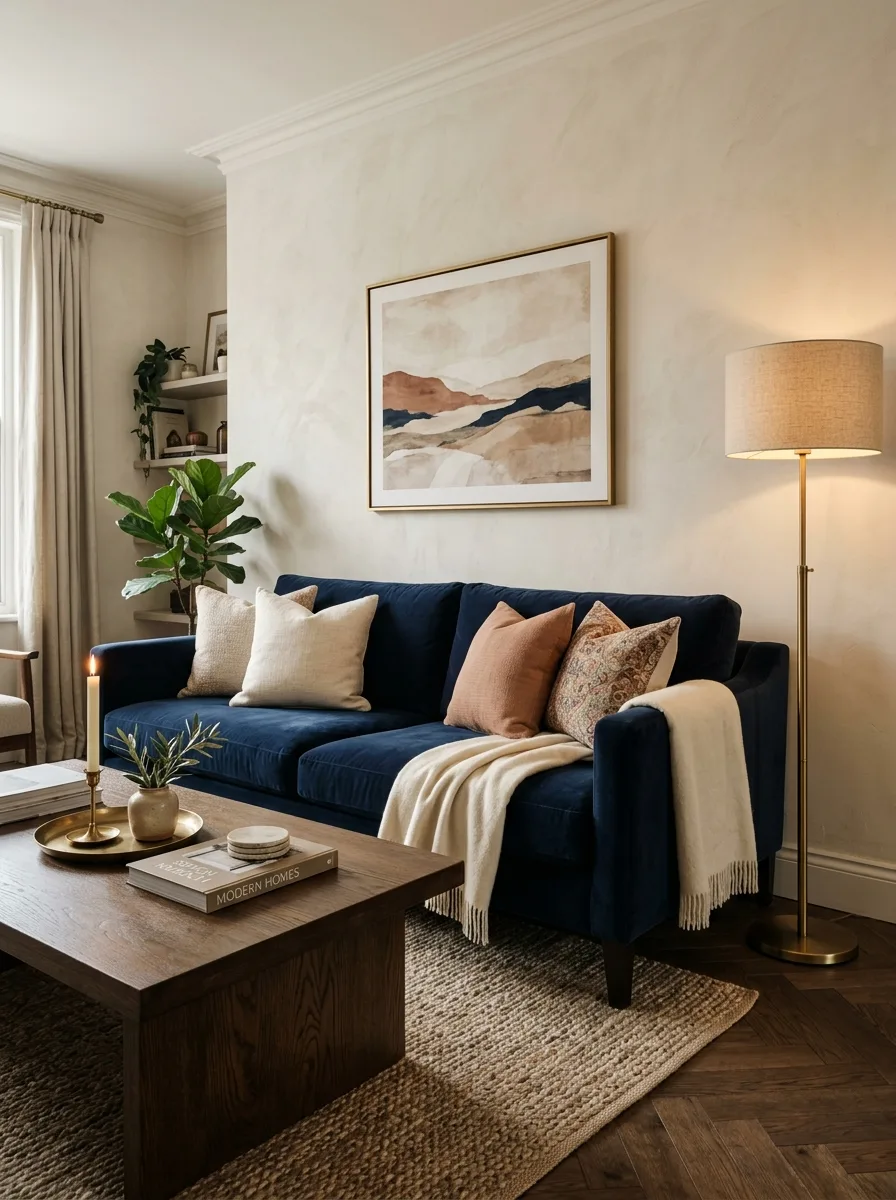
Navy is confidence made physical. In the study of living room color psychology, a navy sofa belongs to someone who decorates with intention. They are not chasing trends; they are setting a tone. Navy creates dramatic depth while anchoring every other element in the room firmly in place.
Style it with ivory, clay, or warm ochre to prevent it from reading too formal. The contrast brings warmth into what could otherwise feel like a corporate boardroom. Soft spotlighting along the walls makes the velvet fabric come alive in the evening.
The Key: Navy reflects commanding style and emotional depth, making it one of the most powerful sofa color meaning choices for a living room with real presence.
08
Emerald Green Rich Luxury
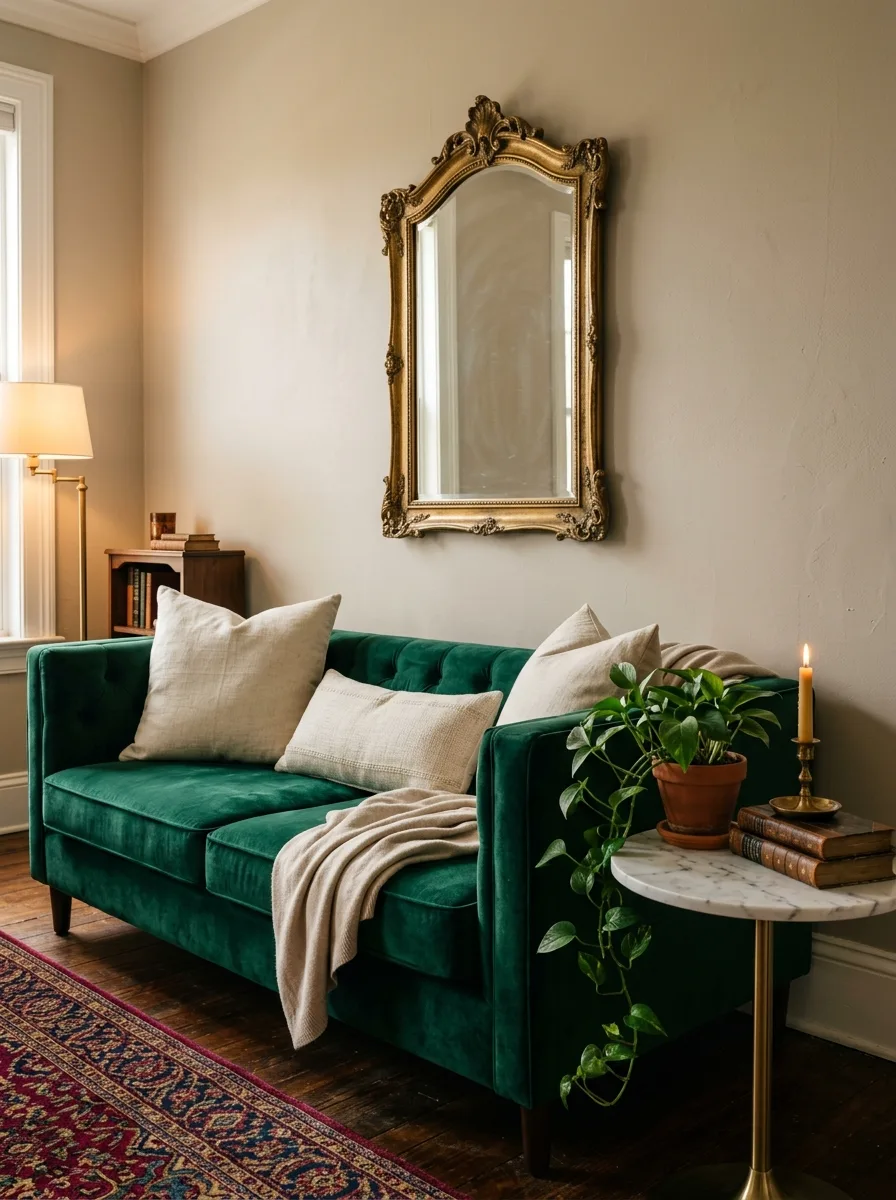
Emerald green signals someone who decorates from a place of genuine abundance. In the world of color psychology for living rooms, emerald belongs to those who want richness without showiness, a room that feels like an achievement without bragging about it. It is the color of someone who reads design books for pleasure.
Keep the surrounding palette quiet. Let emerald carry the room by pairing it with ivory walls, vintage brass accents, and a matte textured rug. Velvet or suede upholstery works far better than leather here, diffusing light softly rather than reflecting it sharply.
The Key: Emerald green communicates a bold but refined personality, making it an exceptionally sophisticated expression of living room color psychology principles.
09
Burnt Orange Creative Energy
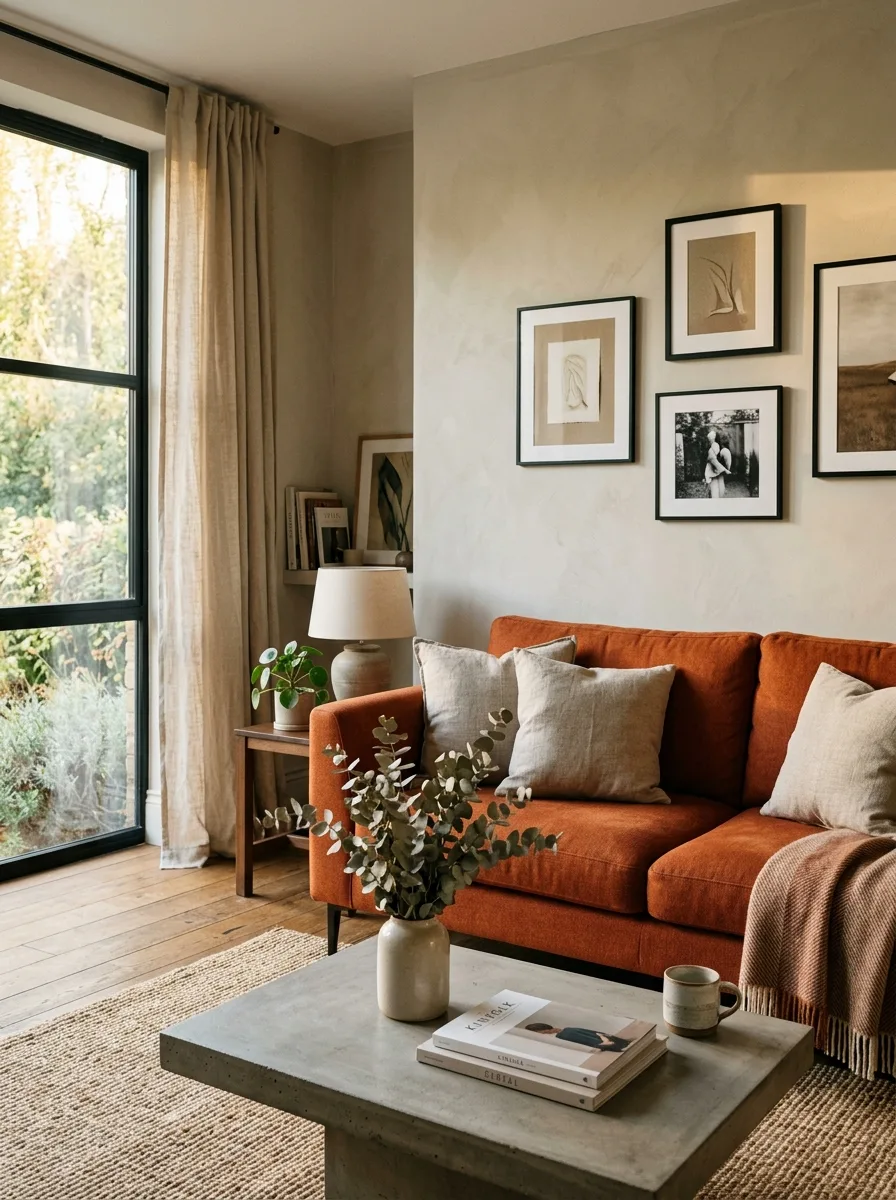
Burnt orange is the color of someone who creates things, whether that is meals, music, or conversations worth having. In living room color psychology, it signals high social energy, creativity, and a magnetic warmth that draws people in. Rooms with burnt orange sofas tend to become the ones where people linger.
Ground it with stone, raw linen, and matte black metal to prevent the orange from overwhelming. Those cooler, muted elements keep the space bold without tipping into chaotic. Golden-toned bulbs at night emphasize the sofa’s depth beautifully.
The Key: Burnt orange reveals a vibrant, creatively expressive personality using room color and mood to energize the entire space around them.
10
Sage Green Calm Naturalist
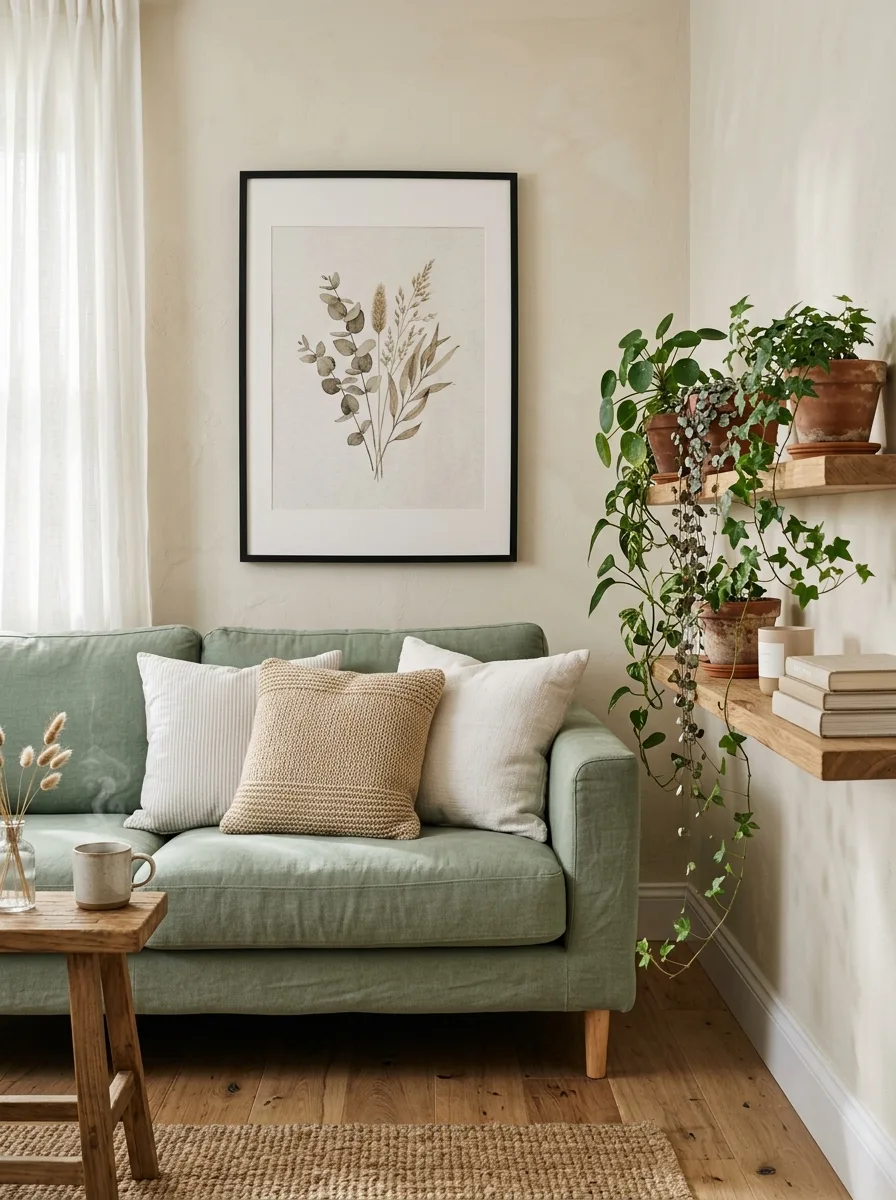
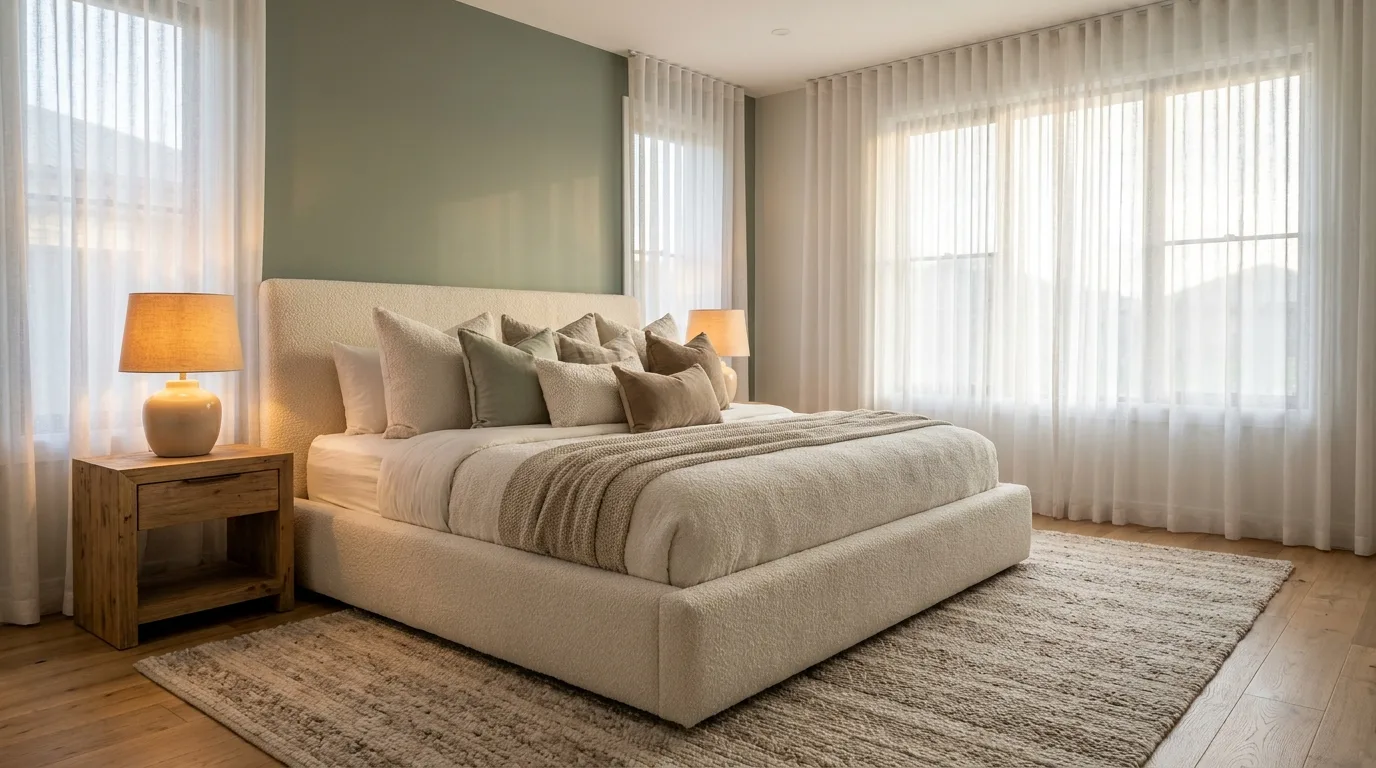
Sage green is what happens when someone chooses calm on purpose. In color psychology for living rooms, sage reflects someone deeply connected to the natural world, someone who decorates with intention but without ego. The goal is always restoration, not performance.
Pair sage with pale beige walls rather than stark white to preserve that mellow, living quality. A few black-framed art pieces prevent the room from going too soft, adding confident structure without disturbing the peace sage creates so effortlessly.
The Key: Sage green reflects a nature-loving, emotionally grounded personality whose color choices for your living room prioritize restoration over visual excitement.
11
Dusty Blue Serene Introvert
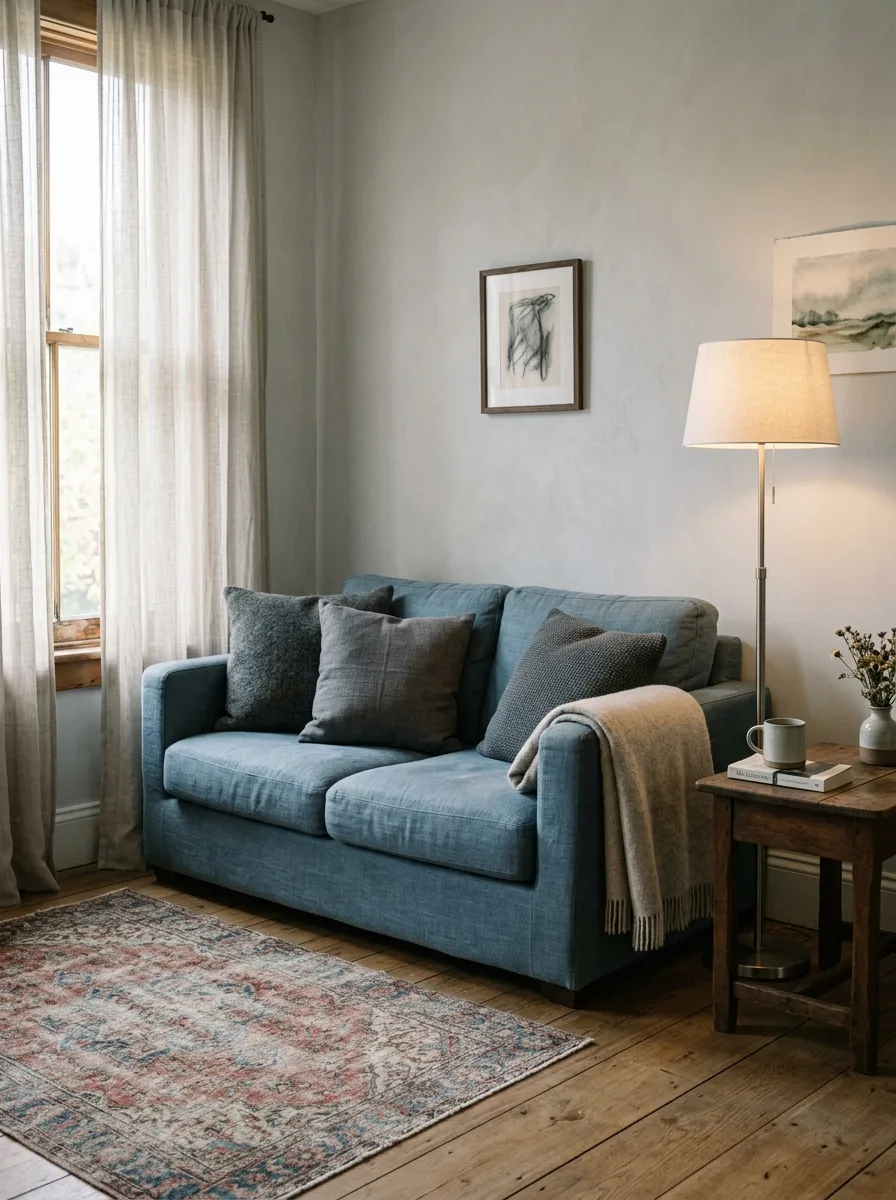
Dusty blue is chosen by people who need their living room to be a true exhale. In living room color psychology, this shade attracts introverts and deep thinkers who value peace over stimulation. It is the color of someone who understands that a beautiful room should restore you, not perform for you.
Layer charcoal grey cushions and a faded vintage rug for depth. Avoid shiny surfaces entirely; they shatter the softness this color works so hard to build. Warm lighting from a brushed nickel lamp keeps dusty blue from reading too cold or sterile.
The Key: Dusty blue signals a reflective, peace-prioritizing personality using living room color psychology to create a space that genuinely restores energy.
12
Misty Grey Modern Neutralist
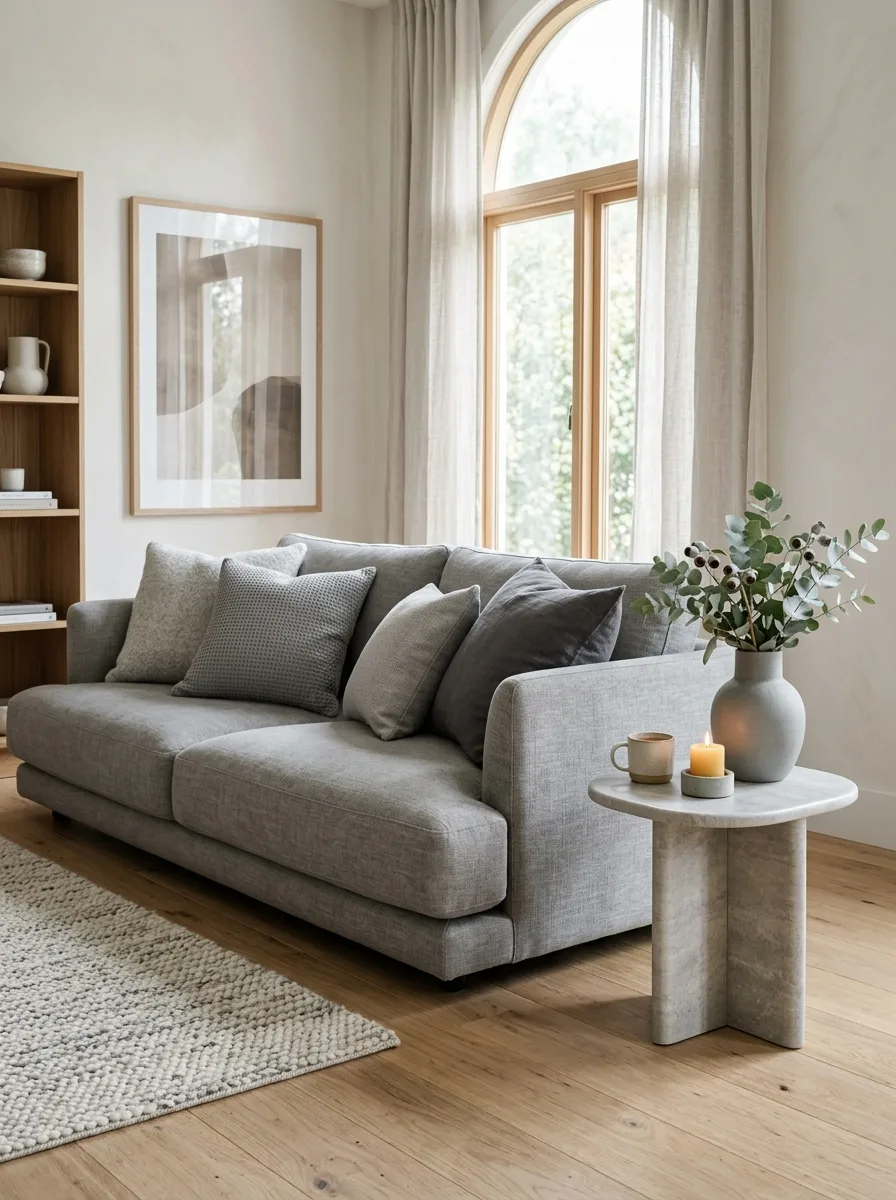
Misty grey attracts people who prize clarity and calm in equal measure. In the framework of color psychology for living rooms, grey signals an analytical, modern thinker who wants their space to feel organized and intentional without sacrificing warmth. It is practical design elevated.
Layer multiple grey intensities from sofa to cushions to wall art to build surprising depth. Introduce olive or eucalyptus arrangements to soften the palette and stop grey from going flat. That single organic touch makes the entire room feel considered rather than cold.
The Key: Misty grey reflects a modern, design-conscious mindset that uses living room color psychology to create a space that feels both polished and genuinely livable.
13
Muted Teal Depth Seeker
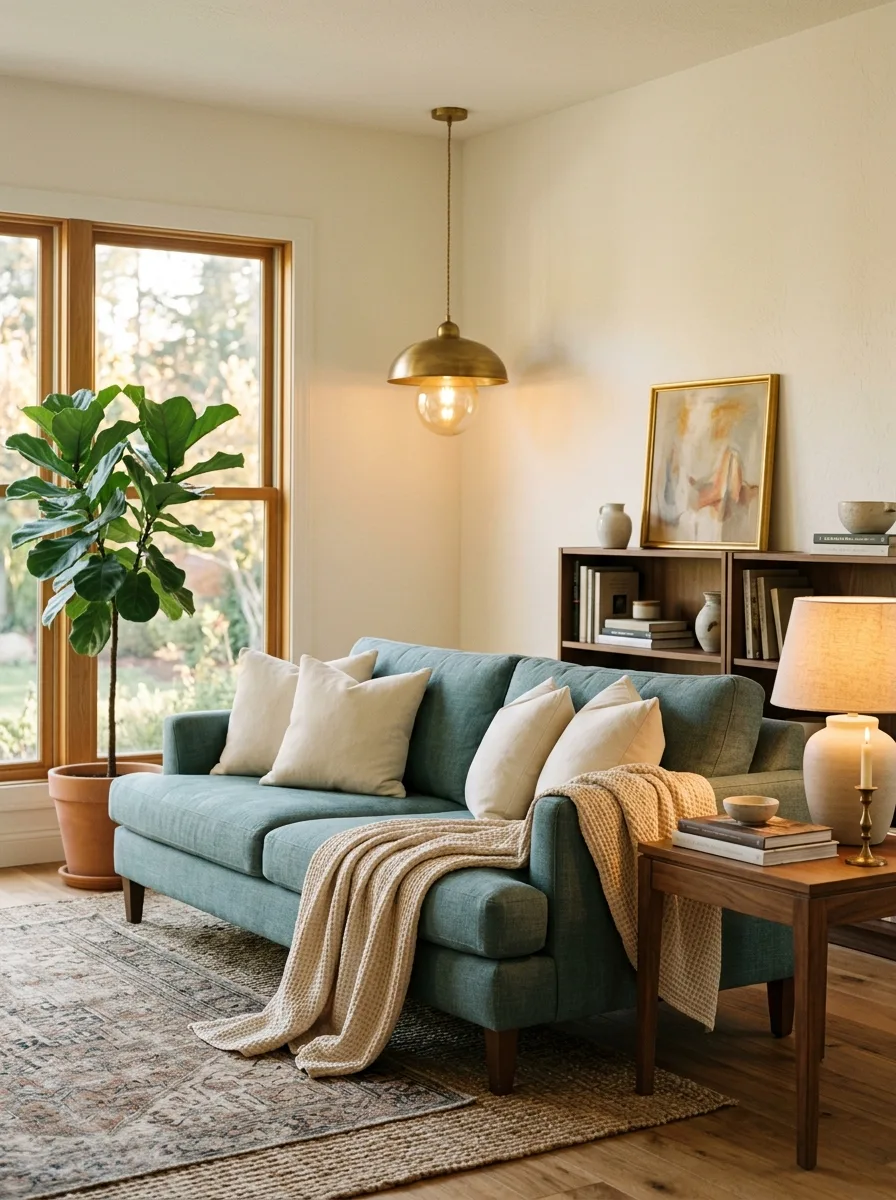
Muted teal belongs to those who want serenity with substance. In living room color psychology, it is the choice of someone who appreciates complexity, a room that feels calm on the surface but reveals more the longer you look. It is sophisticated without announcing itself loudly.
Pair it with creamy off-white walls and warm brass lighting for balance. Medium-toned wood furniture grounds the palette and keeps teal from reading too cool. The result is a room with quiet depth that rewards anyone who spends real time in it.
The Key: Muted teal reflects a layered, emotionally intelligent personality whose color choices for your living room seek beauty and calm in the same breath.
14
Charcoal Sofa Quiet Authority
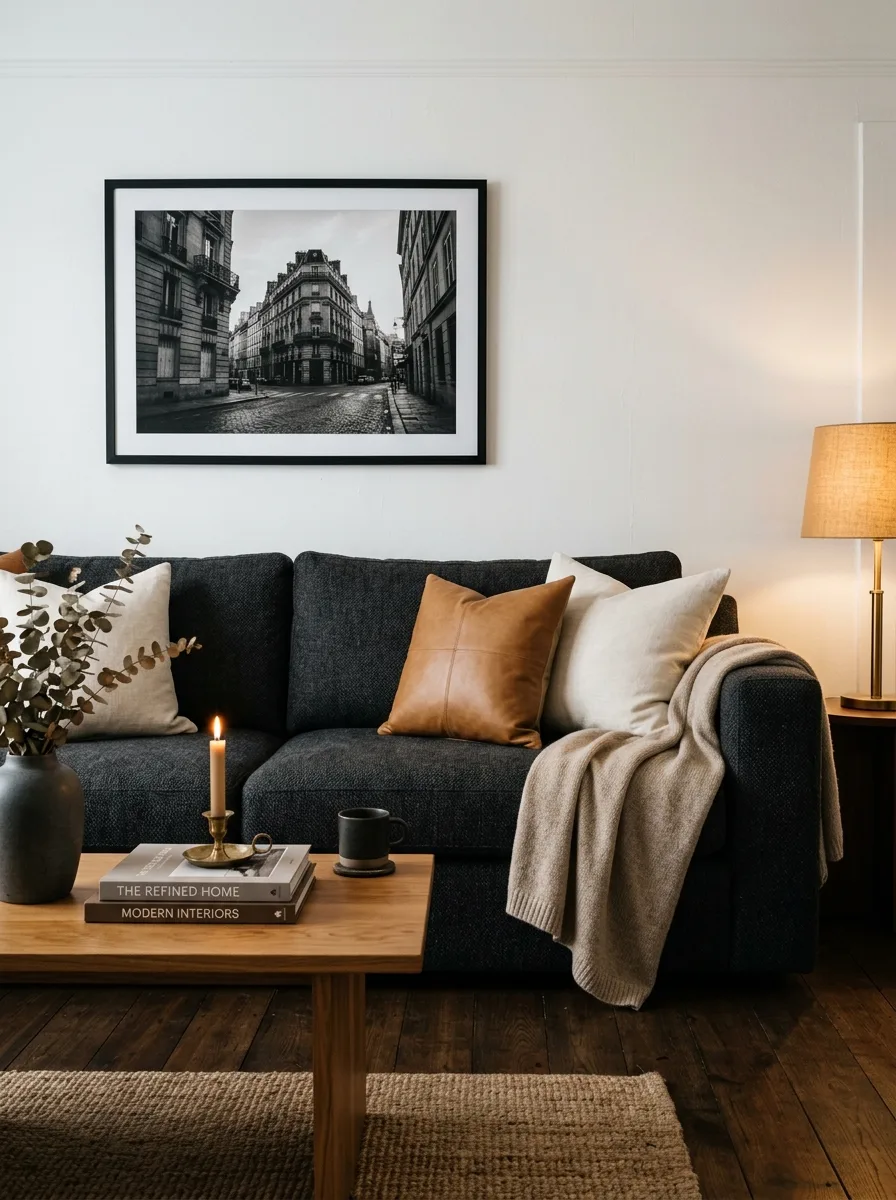
Charcoal is the choice of someone who does not need to explain themselves. In living room color psychology, it represents quiet authority, a personality that is confident, reliable, and deeply private. Charcoal rooms feel like rooms with rules, set by someone who knows exactly what they want from their home.
Warm ivory and camel cushions soften the sofa without diluting its strength. A single large piece of art keeps the wall from feeling bare while allowing the sofa to anchor the room completely. Warm lamp lighting preserves the sophisticated mood after dark.
The Key: Charcoal signals confident, private personalities who use room color and mood to create powerful, grounding spaces that project quiet authority.
15
Warm White Sofa Open Optimist
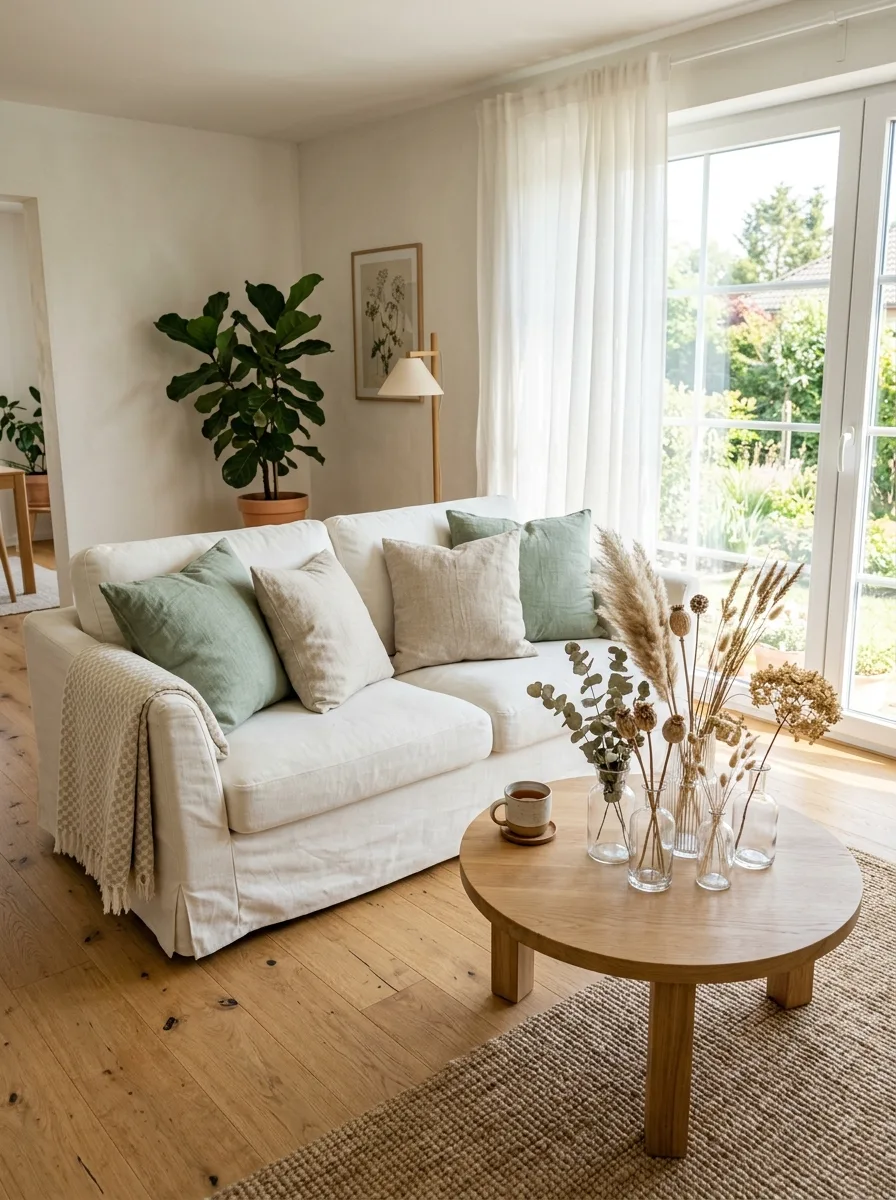
A warm white sofa belongs to someone who wakes up ready to begin. In color psychology for living rooms, warm white signals optimism, openness, and a genuine belief that a beautiful home makes everything else easier. It is not naive; it is intentional brightness.
Style it with sage green and natural linen to ground the palette and prevent it from reading sterile. Dried botanicals add organic texture without introducing bold color. Morning light through sheer curtains makes warm white sofas genuinely radiant. For more ways to style an airy, light-filled living space, our guide to western living room décor ideas shows how warm whites can anchor a room full of natural textures beautifully.
The Key: Warm white signals an open, optimistic personality who believes in the power of light and clarity as foundational living room color psychology principles.
16
Rust Red Bold Storyteller
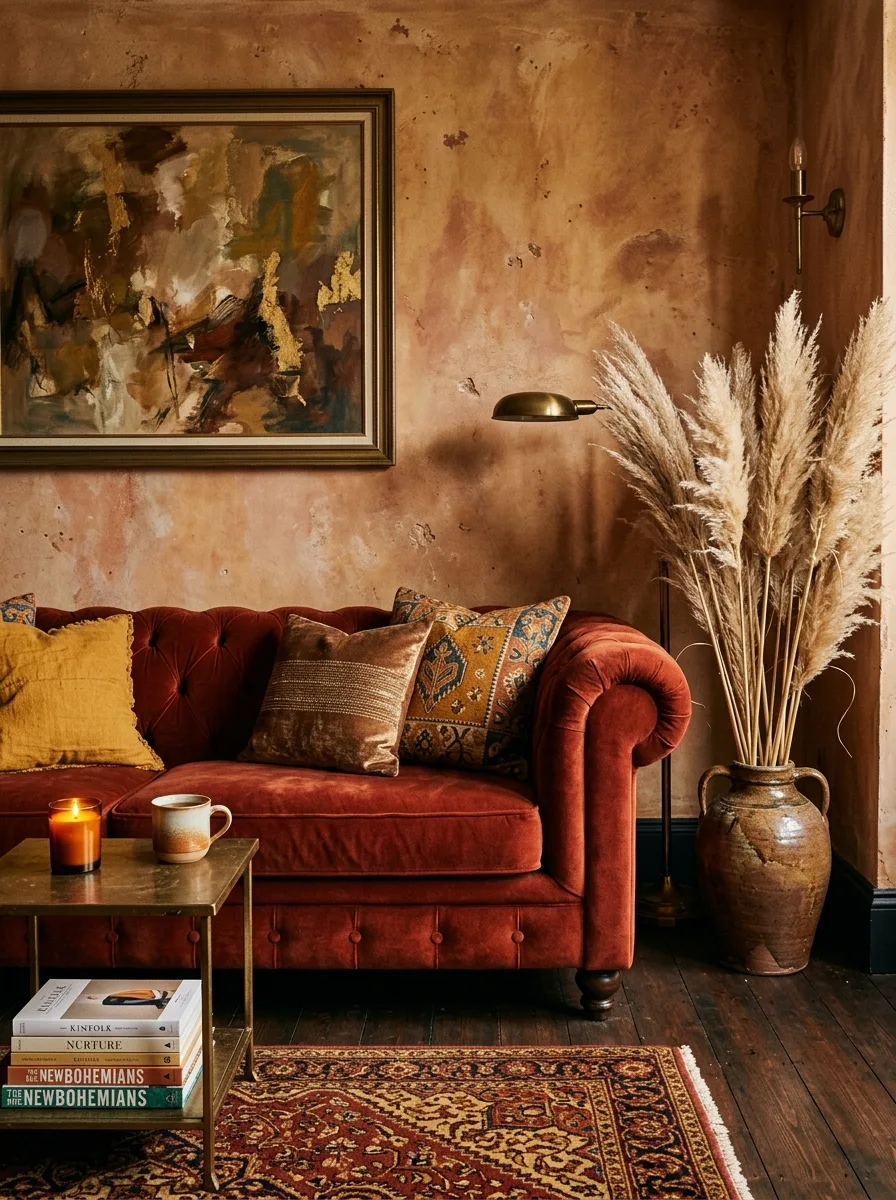
Rust red is chosen by people with stories to tell. In living room color psychology, rust communicates passion, boldness, and a love of living fully. People who choose rust sofas tend to fill their rooms with objects that mean something. They decorate from memory and experience, not catalogues.
Pair with dark walnut floors and raw plaster walls to let the sofa breathe without competing. Dried pampas grass in a ceramic vase adds organic texture and warmth. Amber side lighting intensifies the richness of rust velvet beautifully in the evening.
The Key: Rust red reflects a passionate, life-forward personality who uses color choices for your living room to express depth, warmth, and bold personal narrative.
17
Soft Lavender Gentle Dreamer
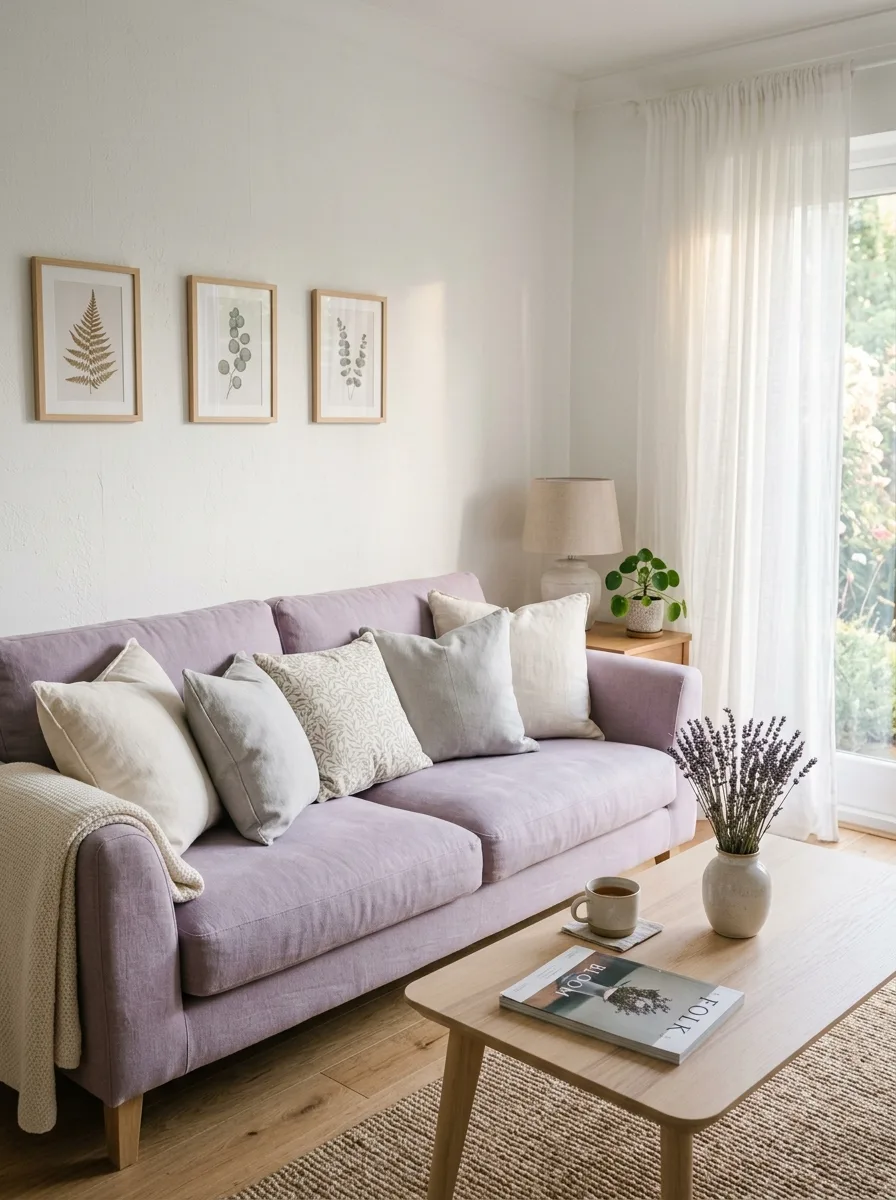
Lavender in living room color psychology is deeply tied to sensitivity, imagination, and a gentle refusal to take the world at full volume. People who choose lavender sofas tend to be highly empathetic, creative, and genuinely invested in making their home feel like a refuge.
Pair lavender with ivory and pale grey to keep the palette soft without going too sweet. Dried botanicals and bleached wood maintain warmth. Gauze curtains let afternoon light filter through in the most flattering way possible.
The Key: Lavender reflects a sensitive, imaginative personality who approaches room color and mood as a form of emotional self-care and daily creative expression.
18
Black Sofa Fearless Minimalist
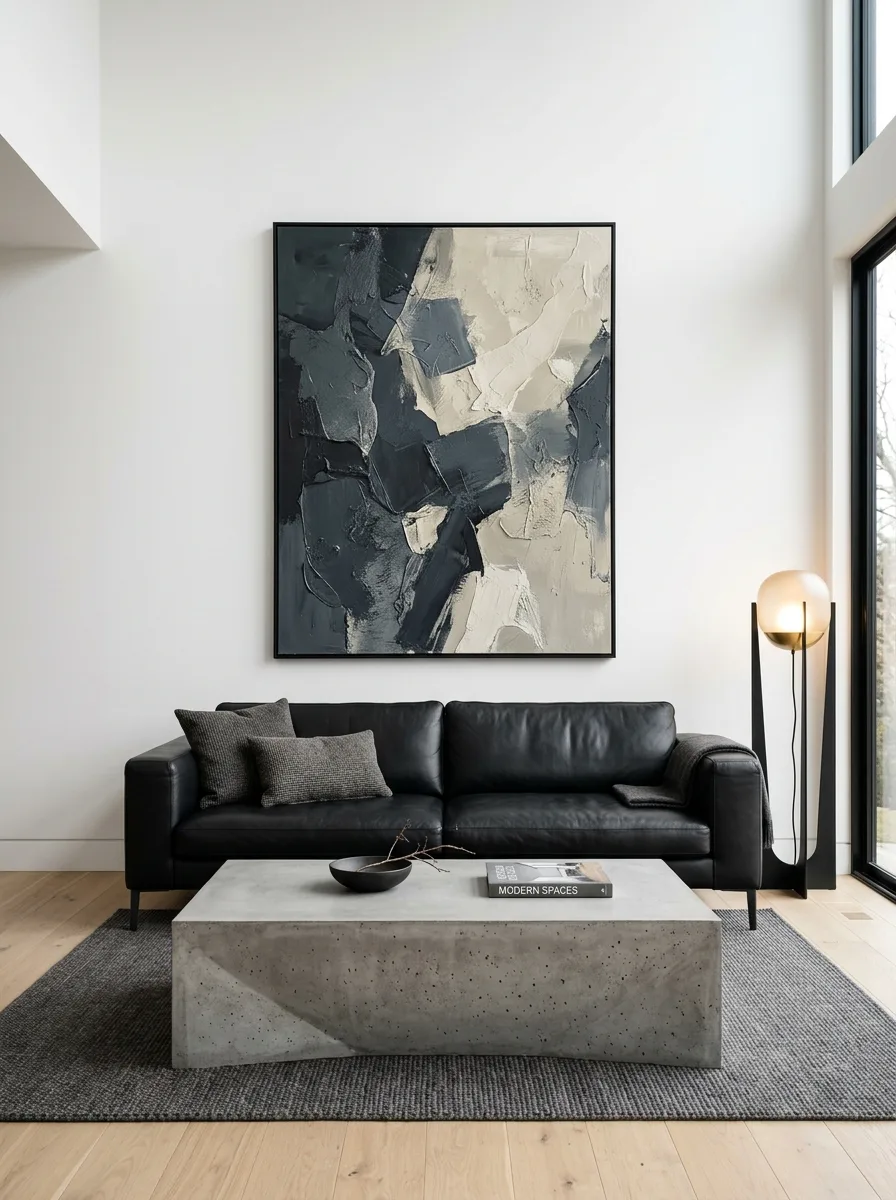
A black sofa is the most committed living room color psychology statement of all. It belongs to someone unafraid of contrast, someone who finds chaos in clutter and peace in reduction. Black sofa owners tend to be decisive, stylish, and deeply comfortable in their own skin.
White walls, concrete surfaces, and warm sculptural lighting are the ideal companions. The contrast is intentional and commanding. Nothing in a black sofa room should be accidental. Every object earns its place through form, function, or meaning.
The Key: Black reflects a fearless, architecturally minded personality who understands that living room color psychology at its most powerful is an act of deliberate subtraction.
Understanding living room color psychology is one of the most empowering things you can do for your home. Your sofa color is not just a design choice; it is a declaration of how you want to feel every single day you walk through your front door. From the quiet warmth of beige to the fearless statement of black, every shade tells a real story about who you are and what you need from your space. I have seen small color changes completely transform not just how rooms look, but how people feel living inside them.
Now that you know what your sofa says about your style, the next step is making it happen with complete confidence. If these ideas resonated with you, save this post to your Pinterest boards so you can return to it when you are ready to design. Share it with a friend who has been going back and forth on their sofa choice for months; this might be exactly the clarity they need. Your living room deserves colors that feel as right as they look.