LEMON CENTERPIECE
🏠 15 Real Ideas
⏱ Quick Read
🔥 Always Trending
15 Lemon Centerpiece Styling Tricks
That Make Table Décor Look
Designer Level
A single bowl of lemons can completely transform a dining table and most people never realize just how much styling power fresh citrus actually holds. If you’ve ever looked at a beautifully set table in a magazine and wondered how to recreate that effortless, designer feel at home, these lemon centerpiece styling tricks are exactly what you need.
I’ve noticed that the simplest natural elements often deliver the most stunning visual results and lemons prove that better than almost anything else. In this article, you’ll find 15 practical, budget-friendly ideas that work for everyday tables, dinner parties, and everything in between.
01
Fresh Citrus Bowl
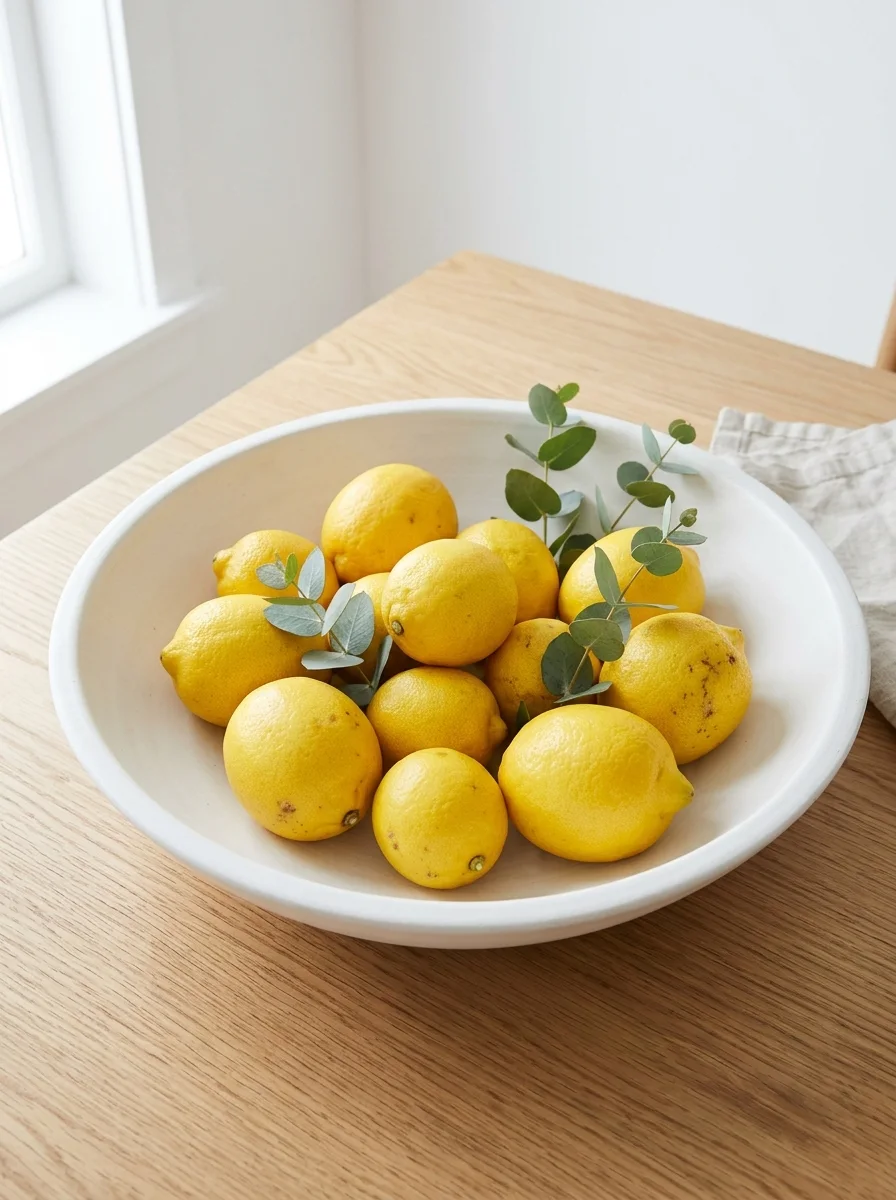
The simplest ideas often deliver the biggest impact. A wide, shallow bowl filled with fresh yellow lemons is one of the easiest centerpiece you can create and one of the most visually stunning. It works for everyday styling, dinner parties, and even holiday tables. The shape of the bowl controls how the arrangement reads from across the room.
I’ve noticed that shallow bowls always outperform deep ones for lemon displays. A deep bowl hides too much of the fruit, making it look flat and unintentional. A low, wide profile lets each lemon show properly, creating that full, abundant feel that makes a table look genuinely well styled without much extra effort.
The Key: Bowl shape defines your whole arrangement. A wide, shallow vessel lets each lemon sit visibly, creating that full, generous look that feels curated and intentional every time.
02
Herb and Lemon Pairing
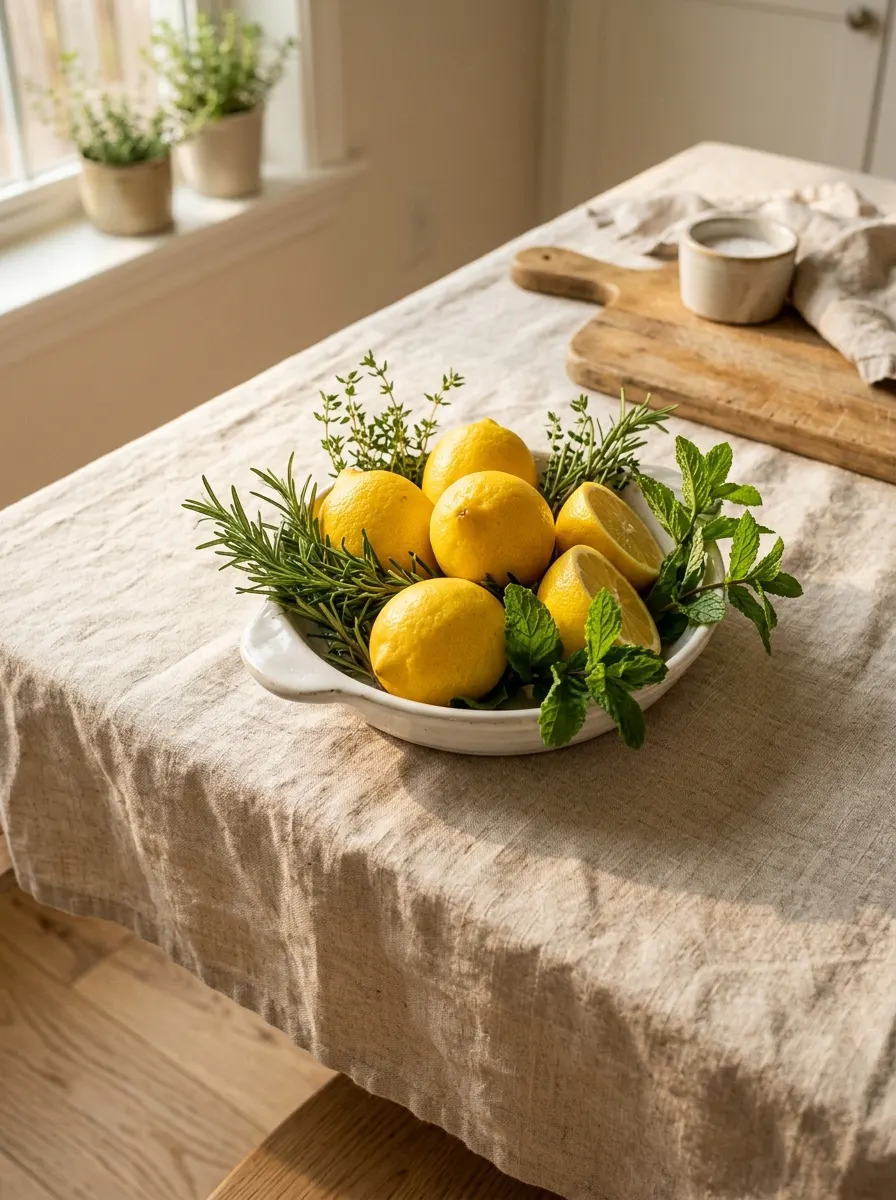
Adding herbs to a lemon centerpiece is the move that separates a plain fruit bowl from something that actually looks designed. The contrast between bright yellow citrus and deep green herb sprigs creates instant visual richness. It is a technique used in restaurant table scaping because it looks intentional, natural, and surprisingly sophisticated with almost zero extra effort.
In my experience, rosemary works best for structured, modern table settings, while mint and basil suit a more relaxed, casual vibe. Tuck the herb sprigs between the lemons rather than placing them on top. This keeps the arrangement grounded and makes the whole display look layered, lush, and far more considered than a simple fruit bowl.
The Key: Fresh herbs bridge the gap between food styling and floral design. Tucking rosemary or mint between lemons adds a layered, professional finish that fruit alone can never achieve.
03
Glass Vase Layers
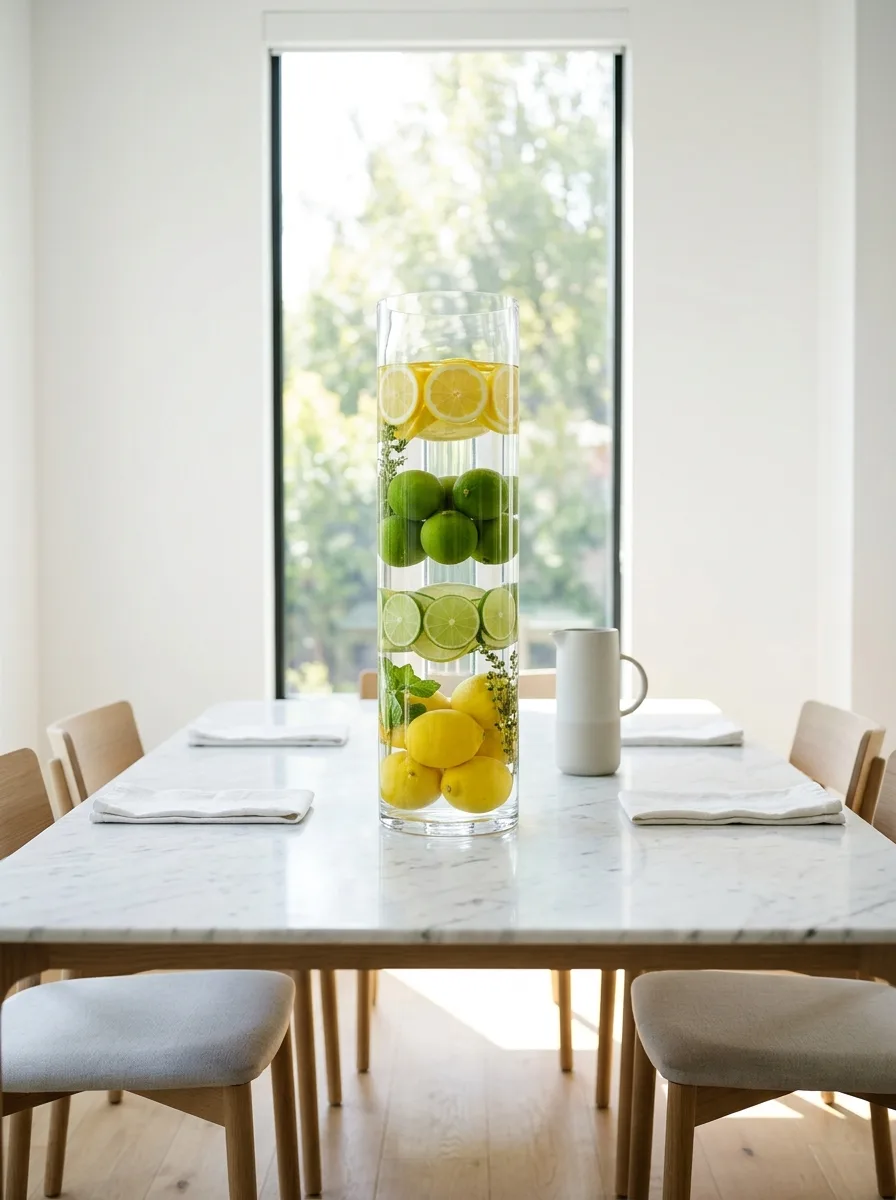
A clear glass vase filled with lemons and water is one of the most striking table display centerpiece ideas you can try and one of the least expensive. When lemons are submerged, they catch the light in a way that feels almost sculptural. The arrangement shifts from a casual fruit display to something that looks intentionally designed and quietly luxurious on any table.
That’s why many designers recommend glass vessels specifically when working with citrus. The transparency does double the work you see the fruit and the water together, which creates a layered visual depth that opaque containers simply cannot deliver. I’ve seen this single idea transform a plain dining table into something that looks like it belongs in a magazine spread.
The Key: Water activates the vase. Submerged lemons glow under any light source natural or artificial creating an illuminated, almost sculptural effect that dry arrangements simply cannot replicate.
04
Candle and Citrus
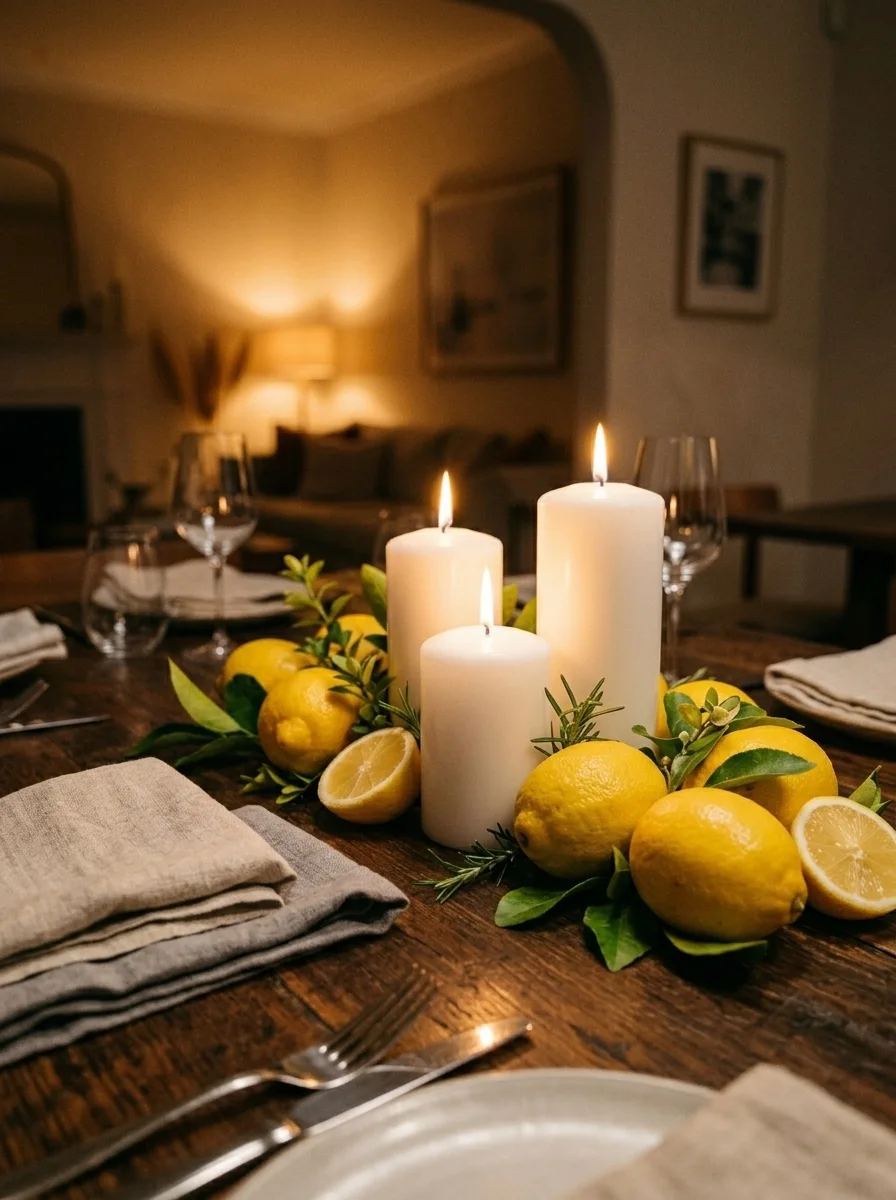
Few combinations elevate a table faster than candles placed alongside fresh citrus. The moment you light a pillar candle nestled among bright yellow lemons, the mood of the entire table shifts with this centerpiece. Warm light catches the surface of the fruit, creating a golden glow that feels rich, intentional, and far more sophisticated than either element would achieve on its own.
Use candles of two or three different heights to add vertical dimension to the arrangement. A flat, same height grouping looks amateur next to one with levels and movement. I’ve found that placing the tallest candle slightly off center creates a dynamic, editorial feel that instantly makes the display look professionally styled and genuinely planned rather than simply thrown together.
The Key: Height variation is everything. Using candles of two or three different heights alongside lemons adds vertical movement that makes the entire Centerpiece feel designed, not just assembled.
05
Wooden Tray Display
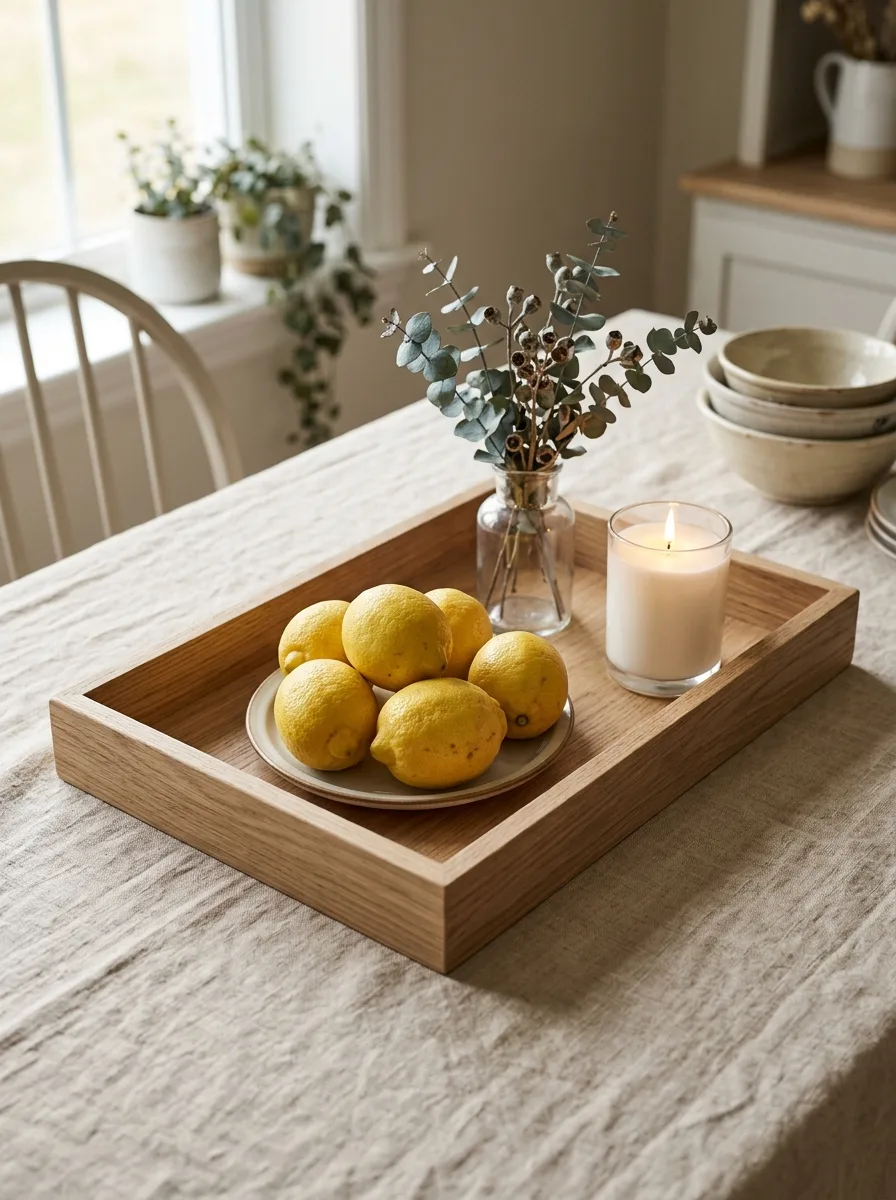
A wooden tray is the single most underrated tool in table styling. It instantly creates a contained, intentional centerpiece out of items that would otherwise look randomly placed on a table surface. When you group lemons, candles, and greenery inside a tray boundary, the whole arrangement reads as one composed, designer-level piece rather than a collection of separate objects.
The material of the tray matters too. A raw, matte wood tray gives a farmhouse or organic modern feel, while a lacquered dark walnut tray leans more formal and polished. I’ve seen the same lemon arrangement look completely different depending on which tray it sits on a small choice that changes the entire visual personality of the table.
The Key: The tray is not just a holder it is the frame. A defined border transforms loose objects into one unified, intentional centerpiece that looks professionally styled every single time.
06
Seasonal Floral Mix
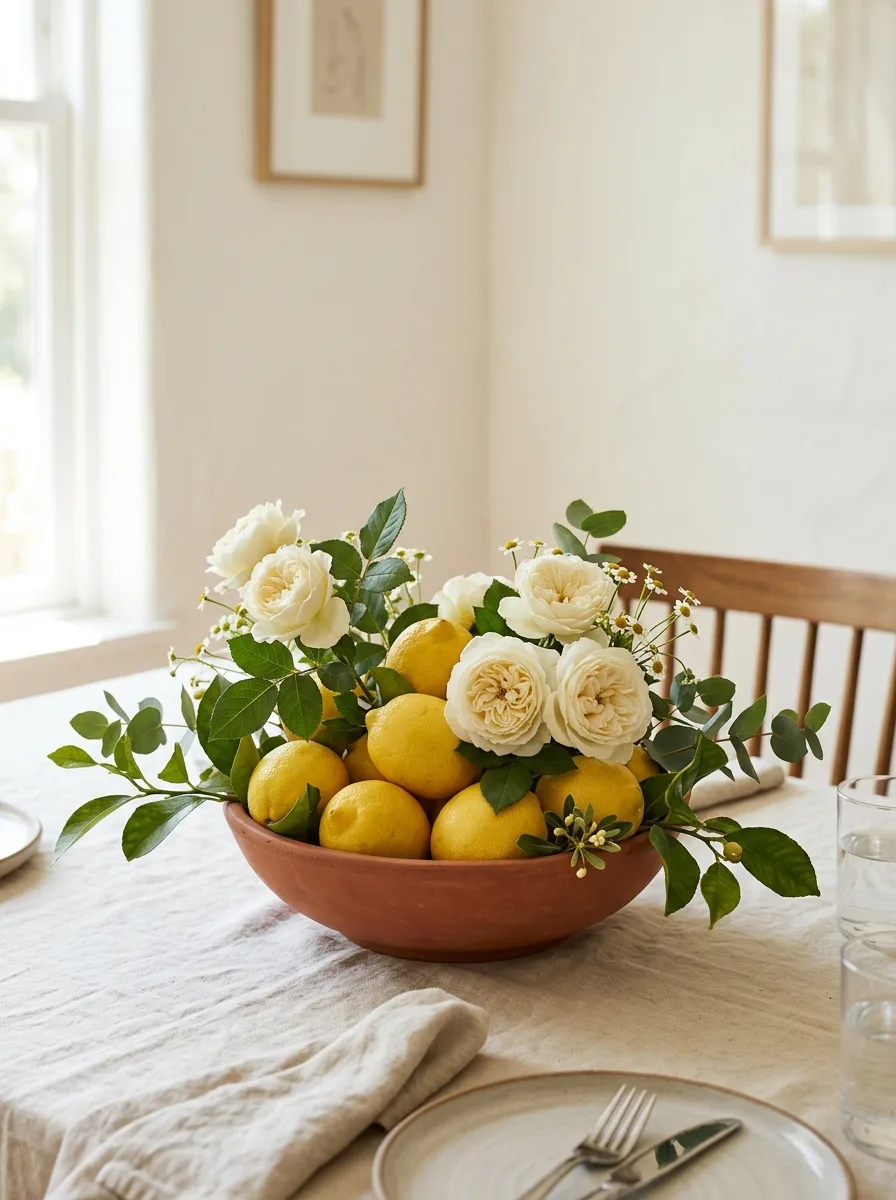
Combining fresh flowers with lemons is the styling trick that makes a simple citrus display look like it came straight from a florist. The contrast between the rigid, waxy surface of lemon skin and the soft, delicate petals of a white rose or chamomile creates a visual tension that is instantly compelling and genuinely beautiful on any table.
Keep the flower selection simple. One or two varieties is all you need any more and the arrangement loses focus and starts to feel chaotic rather than curated. That’s why many designers recommend pairing lemons with just a single floral white roses, garden chamomile, or gypsophila and letting the citrus remain the clear visual anchor of the display.
The Key: Flowers add softness; lemons add structure. Keep florals light and airy never heavier than the citrus so the lemon remains the clear visual star of the arrangement.
07
Linen Runner Base
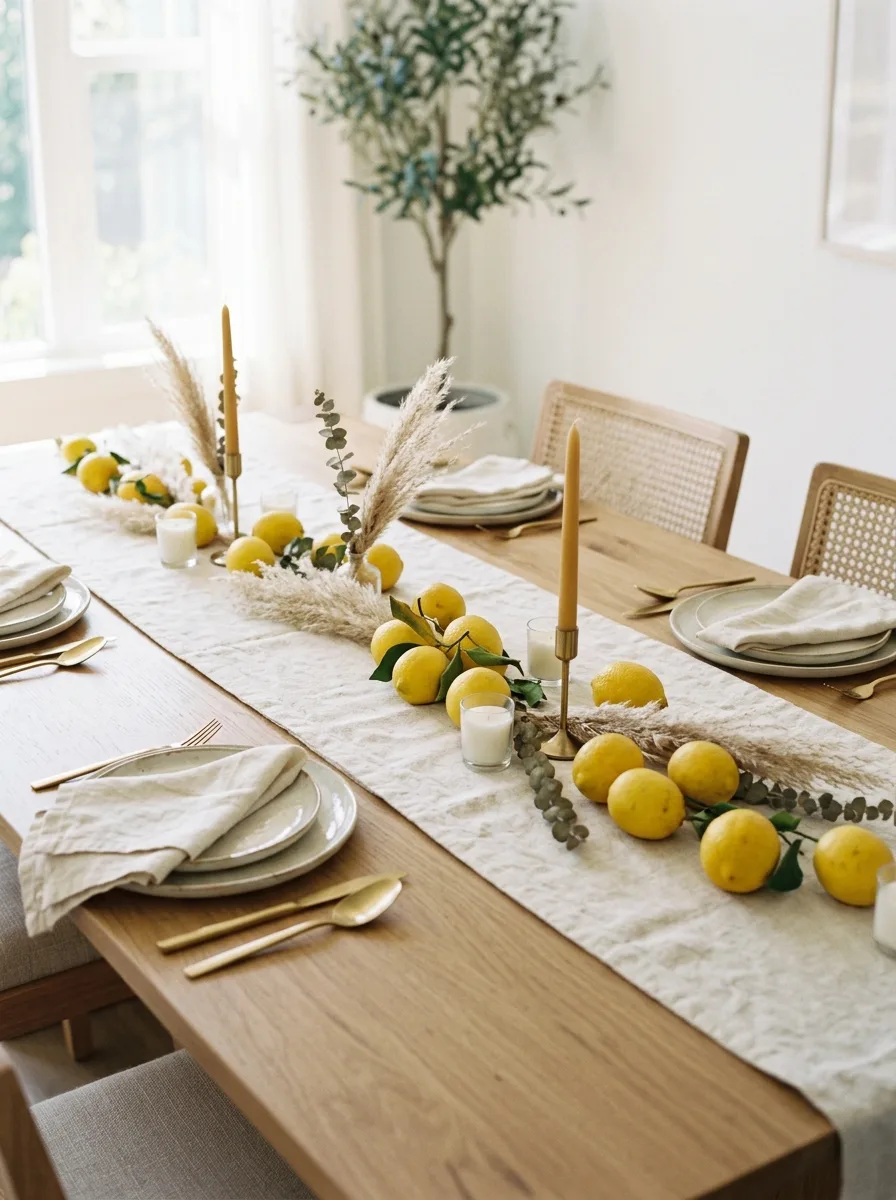
A linen table runner changes the entire structure of a lemon centerpiece by giving it a direction to follow. Instead of one central cluster, the arrangement flows down the length of the table which reads as more generous, more intentional, and far more visually interesting than a single spot display. It also makes a long dining table feel properly dressed and complete.
The texture of the fabric matters as much as the color. A loosely woven, slightly rumpled linen runner adds warmth and organic softness that a flat tablecloth cannot deliver. It makes the lemons look casually placed in the best possible way. I’ve noticed this relaxed, unfussy approach to table styling always photographs better than overly stiff, perfectly arranged setups.
The Key: A runner gives your centerpiece a path to follow. Lemons scattered along its length create a flowing, generous display that makes any dining table feel fully and thoughtfully dressed.
08
Tiered Stand Stack
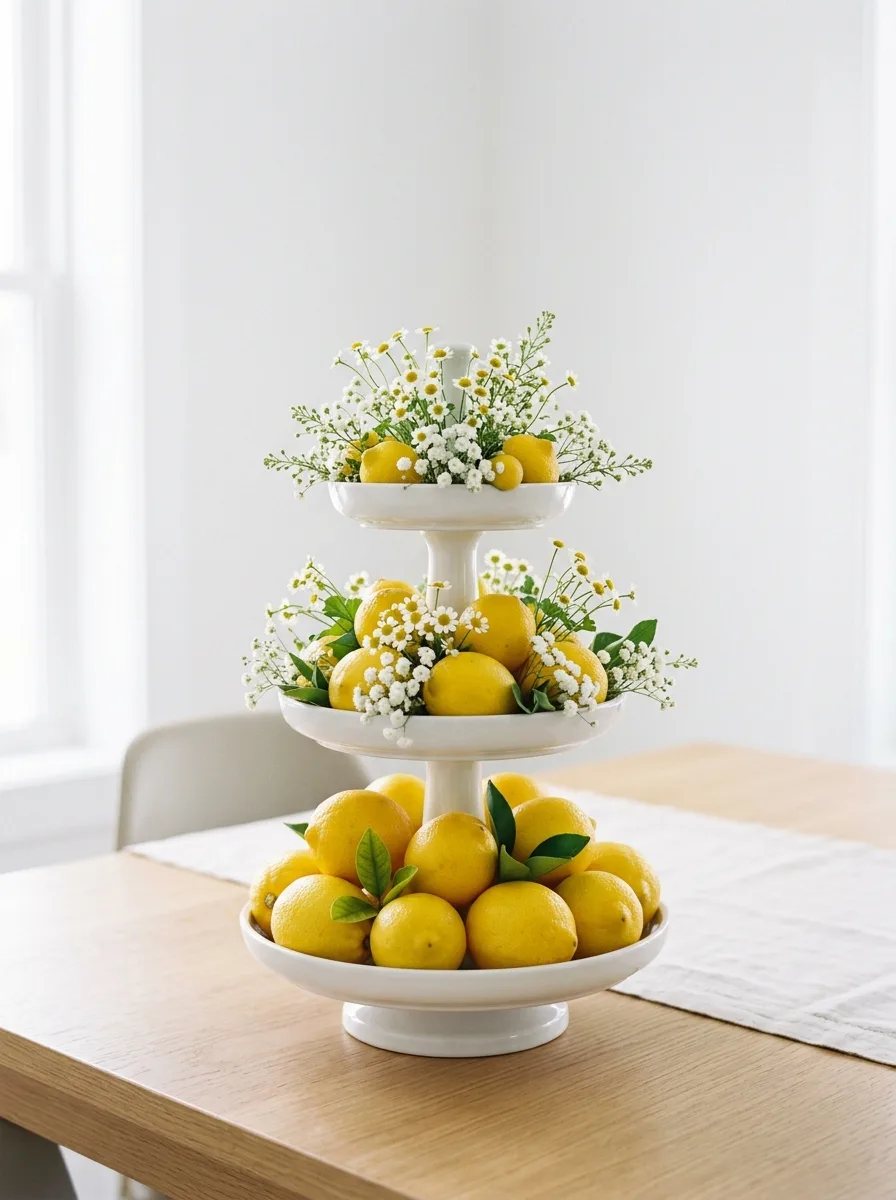
A tiered stand solves the biggest problem with flat centerpieces the lack of height. The moment lemons are displayed on two or three levels, the entire table takes on a more dynamic, composed quality that a single flat bowl cannot replicate. It forces the eye to travel upward, which makes the arrangement feel larger, more generous, and deliberately styled.
Place your largest, most perfect lemons on the bottom tier and tuck smaller ones or simple white flowers on the upper tiers. This tapered, top light approach is exactly what pastry chefs and event stylists use and it translates perfectly into home décor. The result is a centerpiece that looks like serious effort but genuinely takes only minutes to arrange.
The Key: Height is the difference between a bowl of fruit and a real centerpiece. A tiered stand gives lemons the vertical presence needed to command attention across an entire room.
09
Copper Bowl Contrast
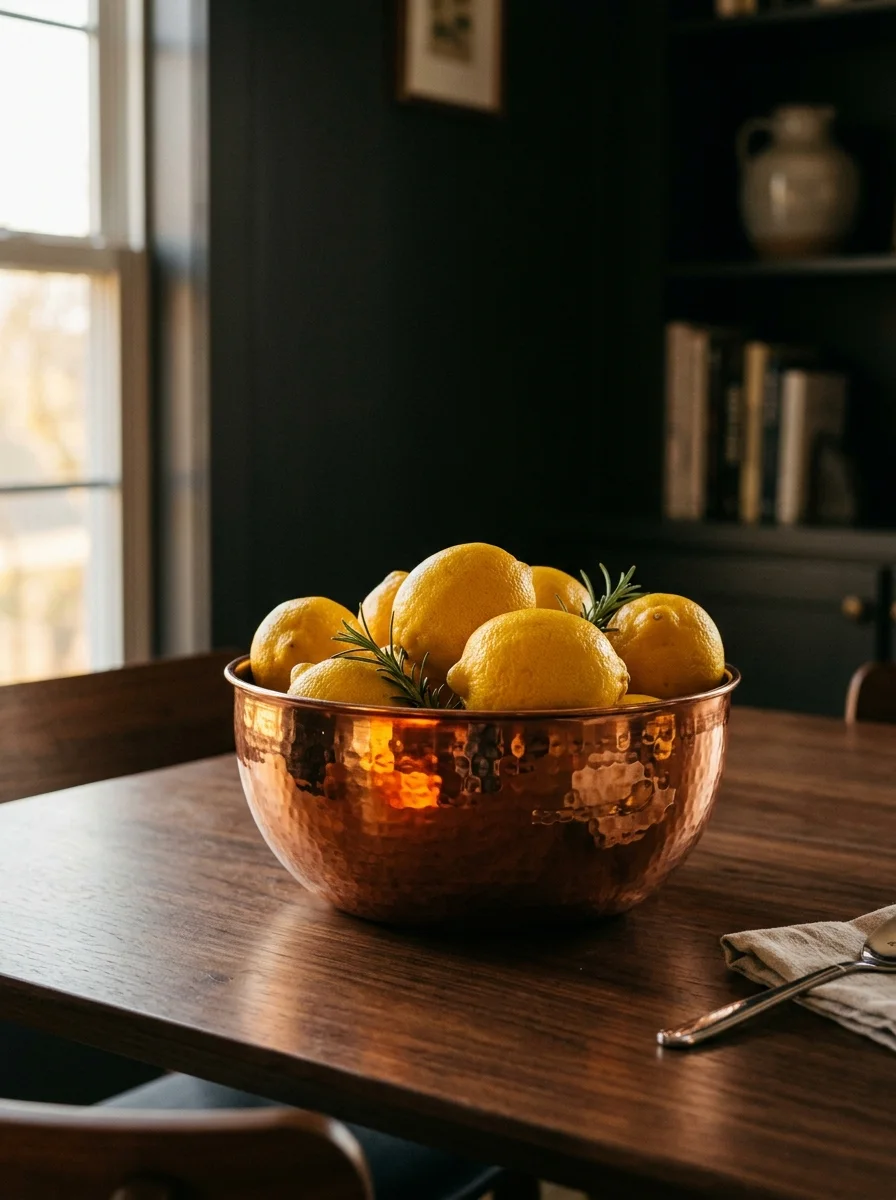
Most people reach for white ceramic when choosing a bowl for lemon centerpiece but copper is the choice that completely changes the visual temperature of the arrangement. The warm, amber glow of polished copper sits in direct contrast to cool, sharp yellow citrus, creating a pairing that looks both unexpected and genuinely striking on any dining table.
The reflective quality of copper also does something matte bowls cannot it bounces light back into the arrangement, making the lemons appear brighter and more vivid. Place the bowl near a window or under a pendant light for maximum effect. I’ve noticed this one placement detail is what separates a good lemon display from a truly beautiful one.
The Key: Vessel color changes everything. A polished copper bowl turns lemons from a simple fruit display into a warm, layered, visually rich centerpiece that looks collected and thoughtfully styled.
10
Napkin Ring Accent
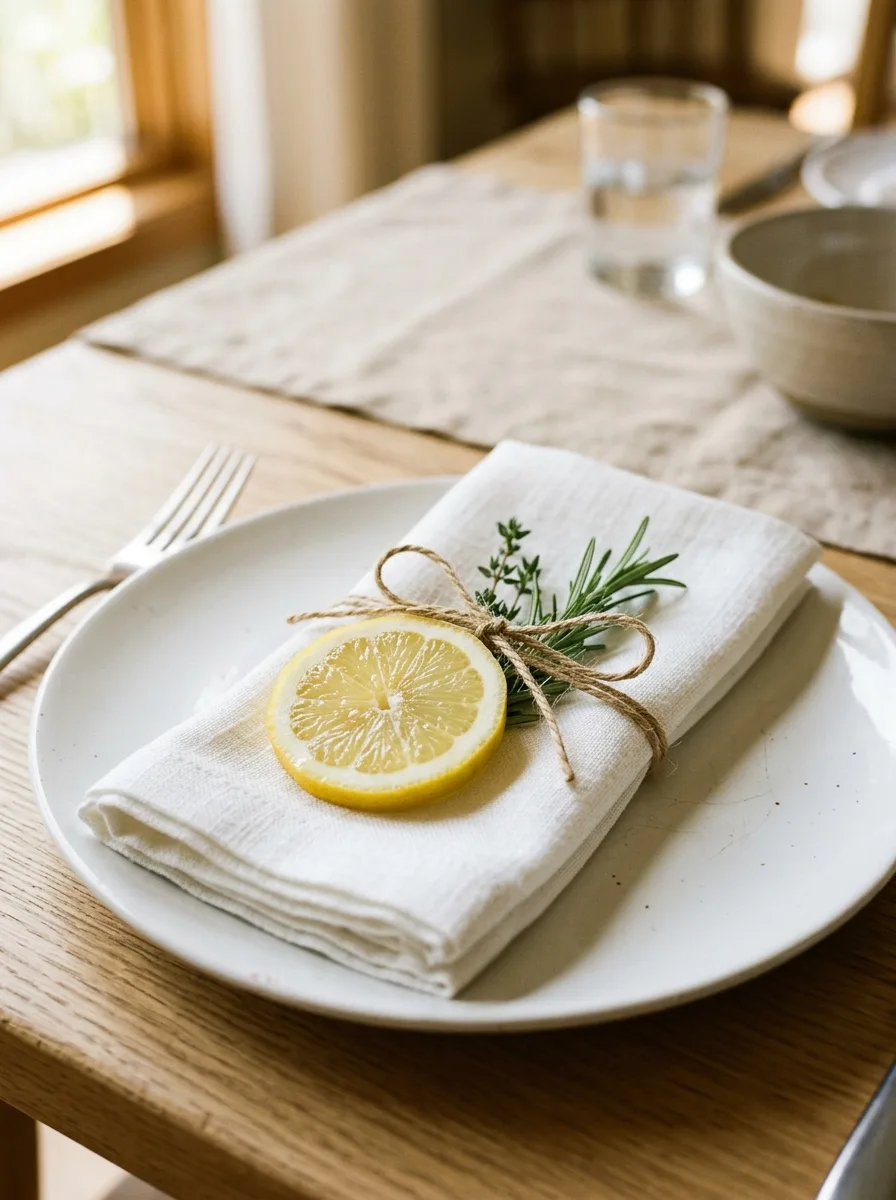
The strongest table settings are the ones where the centerpiece theme carries through to every place setting. Tucking a lemon slice or a small whole lemon under a napkin bow is one of the most effective ways to do exactly that. It costs almost nothing, takes seconds to prepare, and immediately makes every seat feel intentionally styled and genuinely special.
Adding a small sprig of rosemary or thyme alongside the lemon takes the detail one step further. The fragrance is subtle but noticeable guests tend to pick it up immediately when they sit down. That sensory layer is what separates a table that looks styled from one that genuinely feels styled a tiny investment with a disproportionately large return.
The Key: The place setting is part of the centerpiece. Carrying the lemon theme to every seat transforms a good table into a cohesive, thoughtfully styled dining experience from end to end.
11
Mini Bud Vases
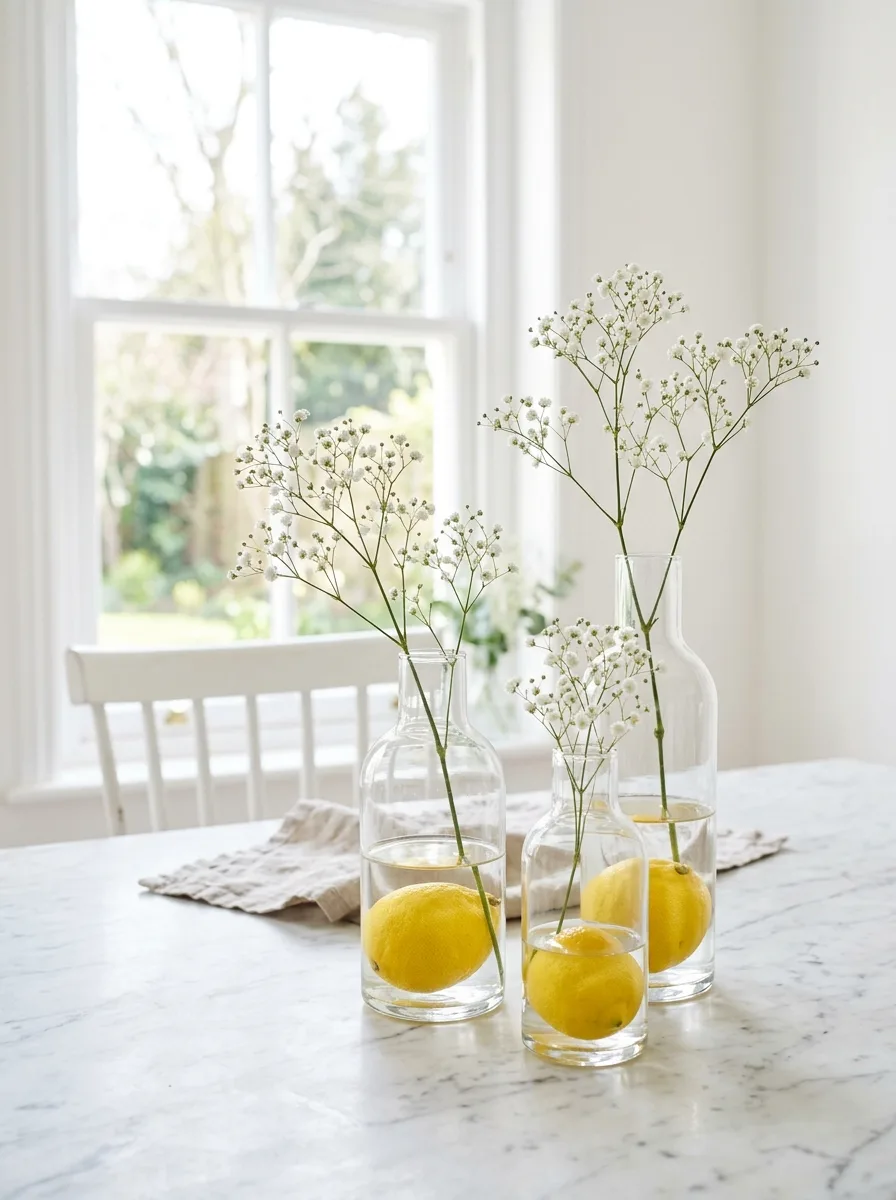
Three small bud vases arranged as a loose cluster is one of the most design-forward ways to display lemon centerpiece on a table. Instead of mass and volume, you get restraint and precision and restraint always reads as more sophisticated. The varied heights create a natural rhythm across the surface that one large central bowl simply cannot replicate.
The key is grouping the vases at different heights a tall, medium, and short arrangement always looks more considered than three vases of the same size. Add a single stem of baby’s breath or a thin eucalyptus sprig to one or two vases to break the repetition and introduce a soft, organic element without distracting from the lemons themselves.
The Key: Fewer, better placed elements always win. A trio of small bud vases with single lemons delivers more visual impact through restraint than any overloaded, over-arranged bowl display ever could.
12
Terracotta Pot Cluster
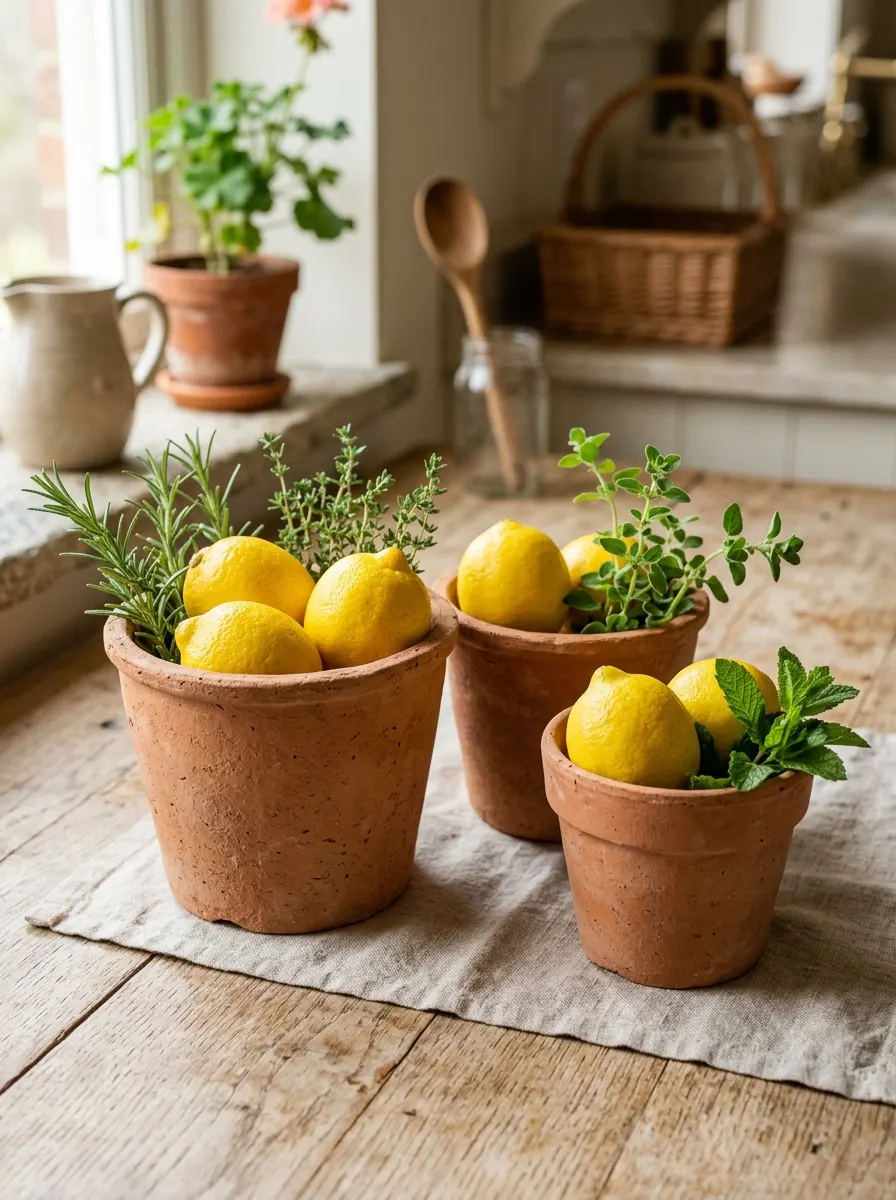
There is something deeply appealing about rough, earthy terracotta paired with bright, glossy lemons they are texturally directly opposite in almost every way, and that contrast is exactly what makes the pairing so effective. The warm reddish-orange tone of unglazed terracotta pushes the yellow forward, making the fruit look even more vivid and visually alive on the table.
Group three pots of slightly different sizes closely together rather than spreading them across the table. The tight cluster creates one unified display rather than three separate objects competing for attention. Tuck a few herb sprigs rosemary or thyme work perfectly into each pot between the lemons to add color, fragrance, and a finished, intentional quality to the whole arrangement.
The Key: Texture contrast is the secret. Rough, matte terracotta makes bright, glossy lemons look even more vivid and that visual tension is what gives the arrangement its instant, designer-level quality.
13
Marble Tray Centerpiece Styling
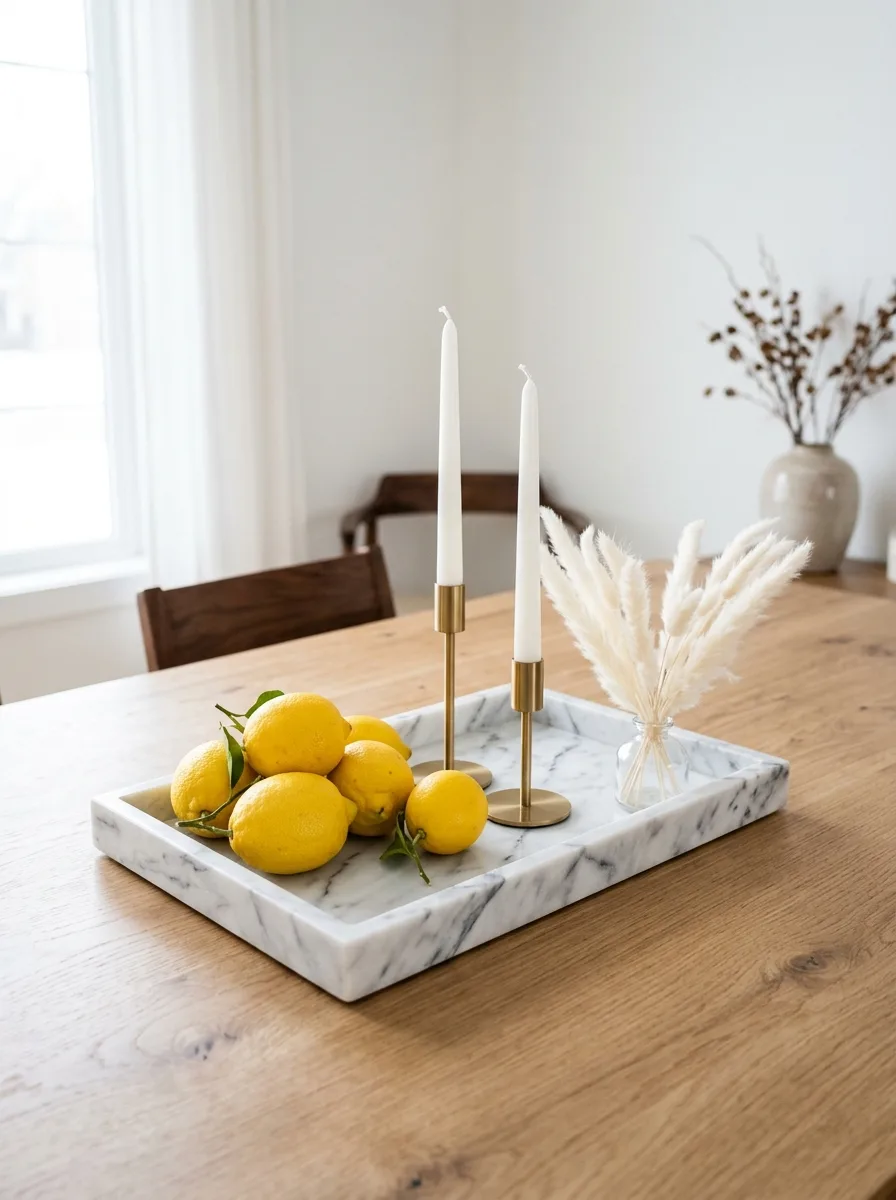
A marble tray adds weight, luxury, and visual authority to whatever sits on it. When lemons rest on a white marble base, the coolness of the stone contrasts directly with the warmth of the fruit and the result feels expensive, considered, and genuinely high end without requiring any additional decoration or styling elements at all.
Pair the marble tray with two brass taper candle holders at either end of the lemon cluster. Warm gold brass, cool white marble, and bright yellow citrus together create a three material combination that interior stylists use repeatedly because it always works. I’ve tried this on tables of every style and it consistently elevates the space without any extra effort.
The Key: Marble elevates everything it touches. Using a marble tray as your centerpiece base is the fastest, most effortless way to add a genuine layer of luxury to any table setting.
14
Dried Citrus Slices
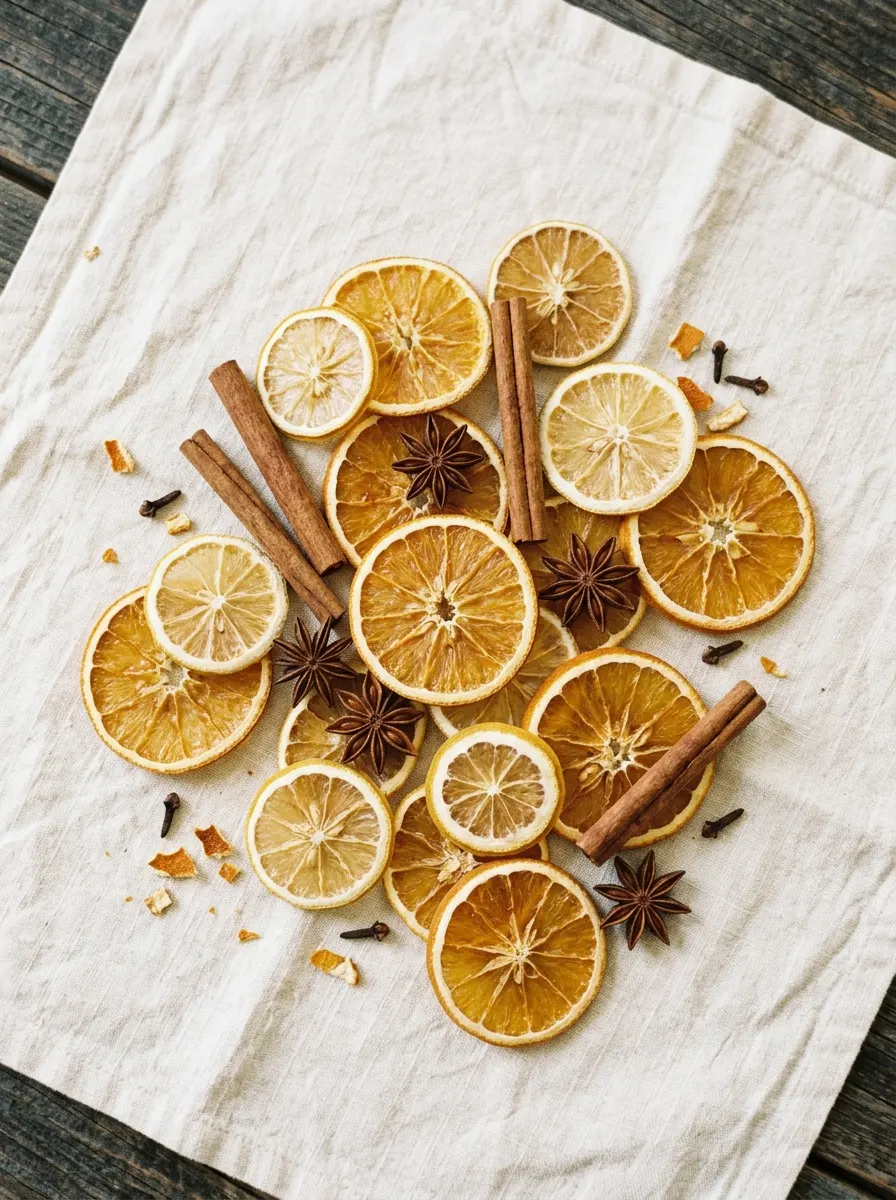
Dried lemon slices bring a completely different quality to a table than fresh fruit does. Where a whole lemon reflects light sharply, a dried slice glows through it and that soft, translucent warmth is genuinely beautiful in photographs and in person. They also last for months, making them one of the most practical and reusable table styling elements available.
Mix dried slices with cinnamon sticks and star anise for a fall display that smells as good as it looks. Layer them inside a glass vase with fresh whole lemons to play on texture, tone, and transparency at once. That’s why many designers return to dried citrus as one of the most versatile and reusable seasonal styling elements available.
The Key: Dried slices never spoil and never need replacing. Used alongside fresh lemons, they add a warm, translucent glow and a seasonal depth that fresh citrus alone simply cannot provide. This same dried citrus technique works beautifully for the holidays too see how we used dried orange slices in our Christmas tree garland ideas for a festive, natural touch.
15
Mixed Citrus Display
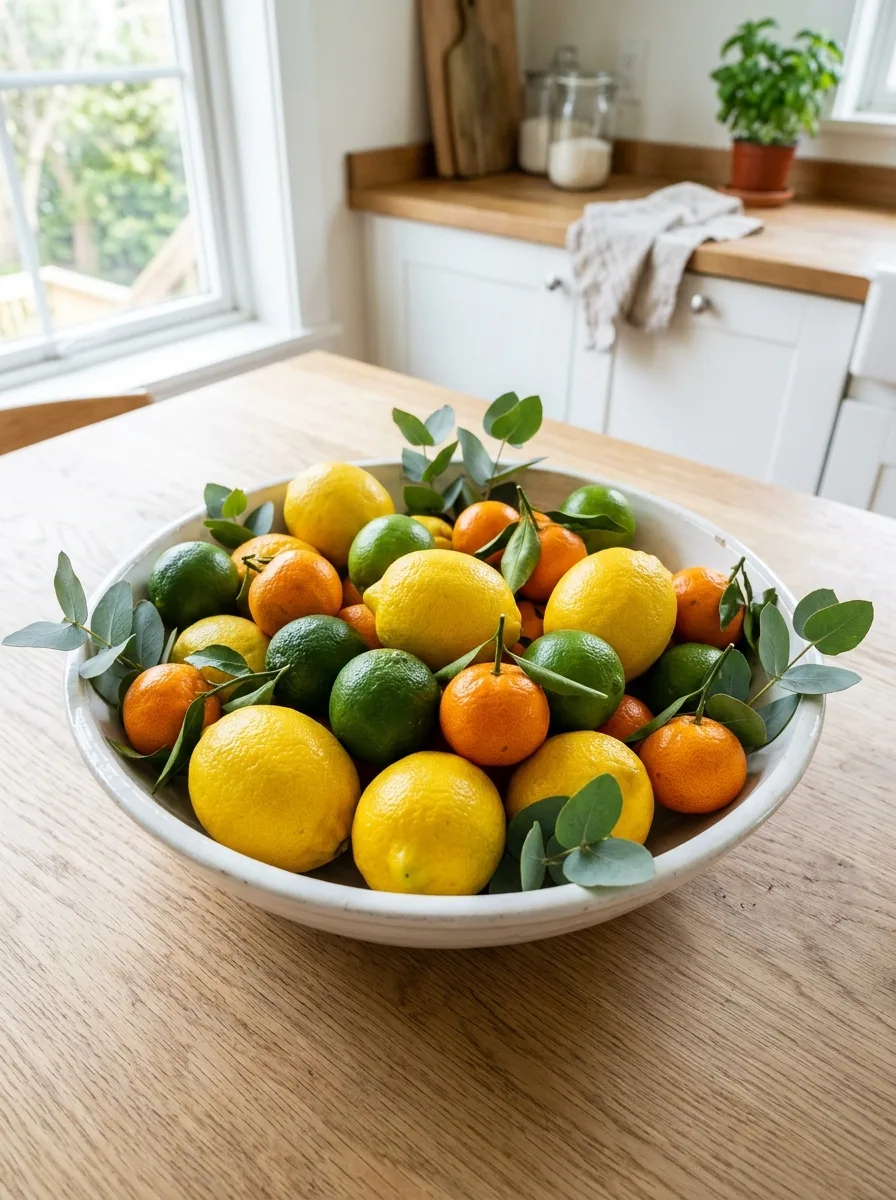
A single fruit centerpiece is strong but a mixed citrus display is a showstopper. Combining bright yellow lemons with deep green limes and warm orange mandarins creates a natural color palette that feels vibrant and balanced at once. The eye has more tones to explore, and the overall effect is an abundance that a single citrus variety simply cannot deliver.
The key to a mixed citrus arrangement that looks designed rather than random is resisting the urge to sort. Mix everything loosely and let the colors alternate naturally. This is where lemon centerpiece styling tricks truly pay off small placement decisions make the visible difference between a casual fruit bowl and a deliberately composed, designer-level centerpiece.
The Key: Color variety does the work. Mixing three citrus types lemon, lime, and mandarin creates a natural palette that looks abundant, intentional, and visually rich without any extra effort or expense.
FREQUENTLY ASKED QUESTIONS
These lemon centerpiece styling tricks prove that beautiful table décor doesn’t require a big budget or professional training just the right ideas and a little creative confidence. I’ve seen how one small change, like swapping a plain bowl for a copper vessel or adding a few herb sprigs, can completely shift the mood of an entire room.
Start with just one idea that excites you and build from there. Whether you’re styling for a quiet weeknight dinner or a special gathering, fresh citrus has a way of making every table feel genuinely considered and warm. Save this post on Pinterest so you always have these ideas on hand, try one today, and share it with a friend who loves beautiful home styling.